
15 of the Best Antioxidant Foods to Add to Your Diet
Antioxidants have become one of those nutrition terms that gets attached to almost everything. Blueberries are “packed with antioxidants”, dark chocolate is “antioxidant-rich”, green tea is full of them — but what does that actually mean, and which foods are genuinely worth eating?
Antioxidants aren’t a single nutrient. The term describes numerous compounds that can help protect cells against oxidative damage caused by unstable molecules known as free radicals.
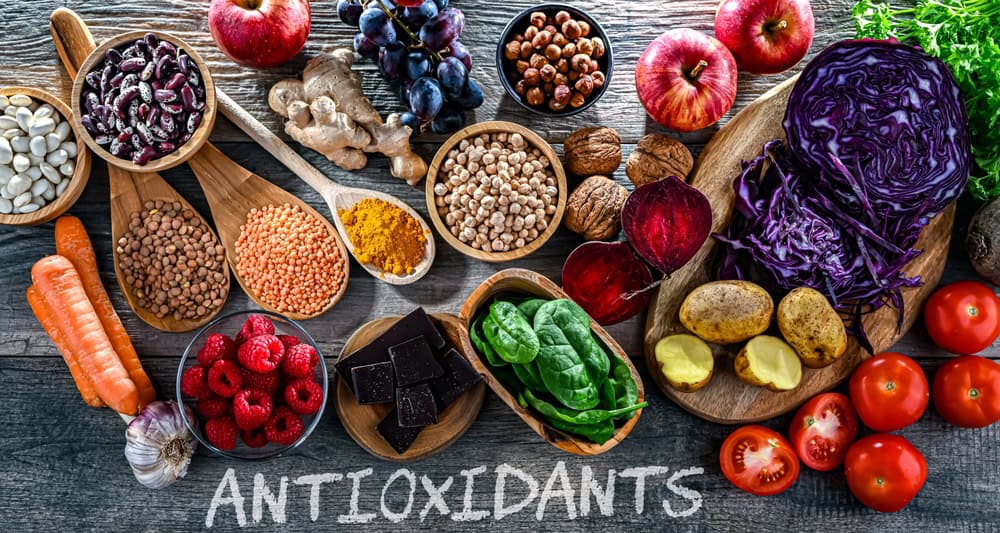
Our bodies have their own antioxidant defence systems, while our diets provide additional compounds including vitamin C, vitamin E, carotenoids and a huge variety of polyphenols.
And this is where the subject becomes much more interesting.
Rather than hunting for one supposed antioxidant superfood, the sensible approach is to eat a varied diet rich in colourful plant foods. Different fruits, vegetables, nuts, herbs, spices and drinks provide different compounds, which is a very good reason not to put all your nutritional faith in blueberries.
Here are 15 of the best antioxidant foods worth putting on your plate.
1. Blueberries
Blueberries have become practically synonymous with antioxidants, and there is good reason for their reputation.
Their deep blue-purple colour comes partly from anthocyanins, plant pigments belonging to the flavonoid family. These compounds are also found in other red, blue and purple fruits and vegetables.
Blueberries also provide vitamin C, fibre and other plant compounds.
Fresh blueberries are easy to add to porridge, yoghurt and breakfast bowls, but don’t dismiss frozen berries. They’re convenient, available throughout the year and particularly useful for smoothies, compotes and baking.
2. Blackberries
If we’re talking about darkly coloured berries, blackberries deserve just as much attention.
They’re another source of anthocyanins and also provide vitamin C and fibre.
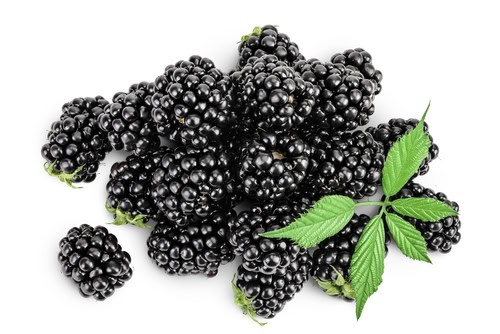
Better still, they’re one of the easiest seasonal foods to get your hands on in Britain. During late summer and early autumn, wild blackberries can be abundant — although you should only forage where you have permission and can confidently identify what you’re picking.
Try them with yoghurt, porridge or overnight oats, or cook them with apples for a brilliantly simple seasonal pudding.
3. Strawberries
They might not have the dramatic dark colouring of blueberries, but strawberries still earn their place on this list.
They’re an excellent source of vitamin C, an essential nutrient that also functions as an antioxidant within the body, and contain numerous polyphenols.
Eat them as they are, add them to yoghurt or pair them with other berries rather than assuming you need to choose one “healthiest” variety.
A bowl containing strawberries, raspberries, blueberries and blackberries gives you a broader mix of plant compounds — and is considerably more exciting than obsessing over which individual berry wins.
4. Raspberries
Raspberries bring another combination of vitamin C, fibre and polyphenols to the table.
They’re also an excellent example of why eating a range of berries makes more sense than repeatedly buying whichever one currently has the biggest health halo.
Frozen raspberries work particularly well when fresh ones are expensive. Stir them into warm porridge and they’ll soften almost immediately, or leave them overnight with yoghurt and oats.
No £12 wellness powder required.
5. Red Cabbage
Antioxidant-rich eating doesn’t have to involve tiny packets of expensive fruit.
Red cabbage gets its striking colour from anthocyanins and provides vitamin C alongside fibre and other nutrients.
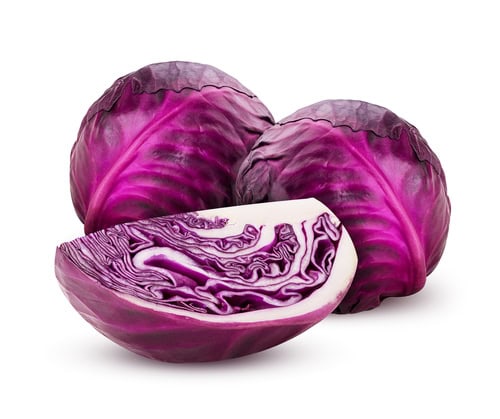
It’s cheap, versatile and keeps remarkably well in the fridge.
Shred it raw into slaws and salads, pickle it or slowly braise it with apple and spices.
It’s also a useful reminder of a very simple principle: colour is your friend when you’re trying to eat a wider variety of plant foods.
6. Tomatoes
Tomatoes are particularly associated with lycopene, a red carotenoid pigment.
Interestingly, cooking tomatoes can make lycopene more available for the body to absorb, particularly when they’re eaten alongside some fat.
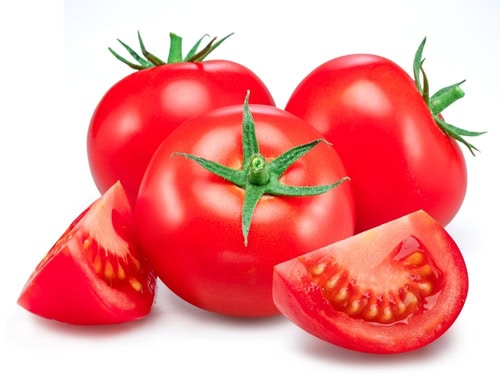
That means fresh isn’t automatically superior.
Fresh tomatoes are fantastic in salads, but tinned tomatoes, tomato purée and homemade tomato sauces can all contribute useful nutrients and plant compounds to your diet.
It’s one of the rare occasions when your pasta sauce gets to look rather virtuous.
7. Spinach
Dark leafy vegetables deserve a regular place on the shopping list.
Spinach contains carotenoids including lutein and zeaxanthin, as well as vitamin C and other micronutrients.
It’s also extraordinarily easy to sneak into meals.
Wilt a handful into curries, soups, pasta sauces, omelettes and stews, or use fresh leaves in salads. Frozen spinach is another inexpensive option and has the considerable advantage of not transforming into green sludge at the bottom of the fridge three days after you bought it.
8. Red Peppers
If vitamin C immediately makes you think of oranges, meet the red pepper.
Peppers — particularly ripe red varieties — can provide substantial amounts of vitamin C as well as carotenoids responsible for their vivid colour.
They’re also exceptionally easy to eat more often.
Roast them with Mediterranean vegetables, slice them into salads, add them to fajitas or eat them raw with dips.
And because different coloured vegetables contain different combinations of plant compounds, mixing red, yellow and green peppers is an easy way to put more variety on your plate.
9. Broccoli
Broccoli isn’t going to win any awards for being an exciting new superfood, which is perhaps precisely why it deserves mentioning.
It provides vitamin C and contains a range of plant compounds, including glucosinolates.
The cruciferous vegetable family also includes cauliflower, cabbage, Brussels sprouts and kale, so there’s no requirement to eat broccoli every night to benefit from this group of vegetables.
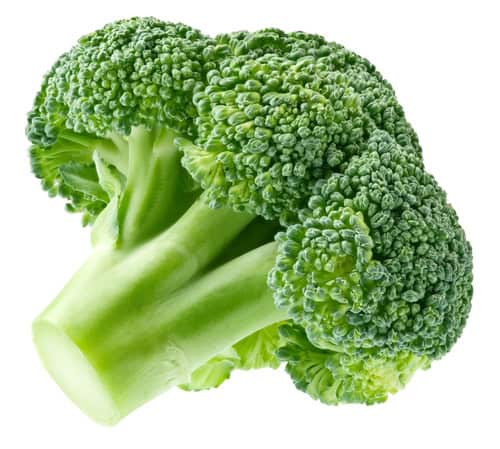
Roasting it until the edges become crisp is considerably more appealing than boiling it into submission.
10. Walnuts
Antioxidant-rich diets aren’t all about fruit and vegetables.
Walnuts contain polyphenols as well as unsaturated fats, fibre and plant-based omega-3 alpha-linolenic acid (ALA).
They’re calorie-dense, so you don’t need enormous quantities. A small handful makes an easy addition to porridge and yoghurt or provides crunch in salads.
Nuts generally are worth varying too. Almonds, pistachios, pecans and hazelnuts all bring different nutritional characteristics to the table.
11. Extra-Virgin Olive Oil
Extra-virgin olive oil is one of the characteristic ingredients of a Mediterranean-style diet and contains naturally occurring phenolic compounds alongside predominantly monounsaturated fat.
Use it for salad dressings, drizzle it over cooked vegetables or use it as part of everyday cooking.
It’s worth remembering that “antioxidant” doesn’t automatically mean “eat unlimited amounts”. Olive oil is energy-dense, so normal culinary portions are perfectly sufficient.
12. Dark Chocolate
Finally, the one everybody was waiting for.
Cocoa contains flavanols, a type of polyphenol, which is why cocoa and dark chocolate regularly appear in discussions about antioxidant-rich foods.
Unfortunately, this does not turn an entire family-sized chocolate bar into a nutritional supplement.
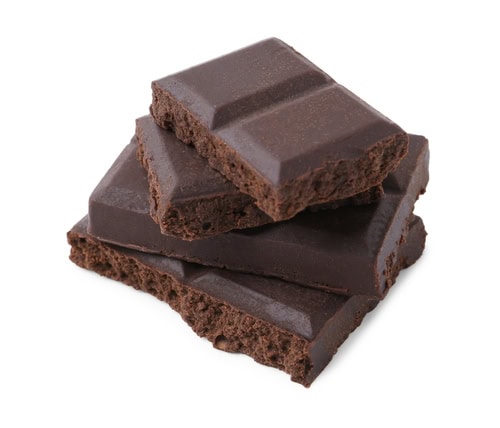
Chocolate products vary enormously in their cocoa, sugar and fat content. If you enjoy dark chocolate, choosing one with a high cocoa content and enjoying a modest portion can be one way to include cocoa in your diet.
The crucial part of that sentence is if you enjoy it.
There’s no reason to force yourself through bitter 90% chocolate in the name of wellness.
13. Green Tea
Antioxidants aren’t limited to things you eat.
Green tea contains polyphenols, particularly a group known as catechins. One of the best known is epigallocatechin gallate, or EGCG.
These compounds are one reason green tea has been studied extensively in nutrition research.
That doesn’t mean green tea is a detox drink or a shortcut to weight loss. It’s simply another plant-derived drink that can contribute polyphenols to a varied diet.
If green tea isn’t your thing, black tea contains its own mixture of polyphenols too.
14. Coffee
Yes, coffee makes the list.
Coffee contains numerous bioactive plant compounds, including polyphenols, and can be a significant dietary source of antioxidants simply because many people drink it regularly.
That doesn’t mean eight enormous coffees a day are automatically a good idea. Caffeine tolerance varies, and excessive consumption can interfere with sleep or cause unwanted effects in some people.
But your morning coffee doesn’t need to be treated as a nutritional guilty pleasure either.
15. Herbs and Spices
One of the easiest ways to increase the variety of plant compounds in your diet is also one of the most overlooked: season your food properly.
Herbs and spices contain concentrated plant compounds, although we’re obviously consuming them in much smaller quantities than vegetables.
Think oregano, rosemary, thyme, turmeric, cinnamon, cloves, parsley and coriander.
Rather than viewing them as miracle ingredients, use them for what they’re exceptionally good at: making healthy food taste better.
That’s quite a useful nutritional benefit in itself.
What Are Antioxidants?
Antioxidants are substances capable of helping to neutralise free radicals — reactive molecules produced naturally during normal processes in the body and through exposure to environmental factors.
Free radicals aren’t inherently “bad”. They have normal biological roles.
Problems can arise when there is an imbalance between reactive molecules and the body’s ability to manage them, a state commonly described as oxidative stress.
Our bodies have sophisticated antioxidant systems of their own. Nutrients and other compounds obtained through food form part of the much bigger picture.
This is why nutrition science is considerably more nuanced than simply declaring that “antioxidants fight free radicals”.
What Are Polyphenols?
Polyphenols are a huge family of naturally occurring compounds found predominantly in plants.
They include groups such as flavonoids, phenolic acids, lignans and stilbenes.
You’ll find different polyphenols in berries, tea, coffee, cocoa, vegetables, fruit, nuts, herbs and numerous other plant foods.
Scientists continue to investigate how these compounds interact with the body, including their relationship with the gut microbiome and various markers of health.
But you don’t need to memorise their names.
From an everyday dietary perspective, the message is considerably simpler: eat plenty of different plants.
Do You Need Antioxidant Supplements?
For most people, concentrating on food makes considerably more sense than assuming a high-dose antioxidant supplement must be better.
Nutrients and plant compounds don’t exist in isolation in food. A strawberry, for example, provides vitamin C alongside fibre, folate and numerous phytochemicals within a complete food.
Supplements can have legitimate uses where a particular nutrient is recommended for an individual, but “more” isn’t automatically beneficial.
High-dose supplements can also behave differently in the body from normal quantities consumed through food and may interact with medicines or be inappropriate for some people.
If you’ve been advised to take a supplement because of a deficiency, pregnancy, medical condition or other specific reason, that’s a different matter and should be guided by an appropriate healthcare professional.
Is There One Food With the Most Antioxidants?
You’ll find plenty of lists ranking foods according to their supposed antioxidant power.
Treat them with caution.
Laboratory tests can measure antioxidant activity in a food, but a spectacular result in a test tube doesn’t tell us exactly what happens after that food has been eaten, digested, metabolised and used by a human body.
It also encourages precisely the wrong approach to eating.
You don’t need to identify the world’s most antioxidant-rich berry and eat it every morning until you’re sick of the sight of it.
Variety beats obsession.
The Easiest Way to Eat More Antioxidant-Rich Foods
Instead of worrying about individual antioxidant scores, make your shopping basket more colourful.
Buy berries when they’re in season and frozen ones when they’re not. Keep tinned tomatoes in the cupboard. Throw spinach into dinner. Eat nuts. Cook with herbs and spices. Have broccoli alongside your Sunday roast. Use extra-virgin olive oil. Enjoy tea, coffee or both if they suit you.
And rotate what you eat.
A diet containing strawberries, tomatoes, spinach, walnuts, peppers, broccoli, herbs and beans is providing a far broader range of nutrients and plant compounds than one built around a daily punnet of whichever fruit has most recently been crowned a “superfood”.
That’s perhaps the most useful thing to understand about the best antioxidant foods.
There isn’t one magical ingredient.
There is simply a very good argument for eating lots of different plants.
A Note on Antioxidants and Health
Antioxidant-rich foods can form part of a healthy, balanced diet, but individual foods shouldn’t be used to prevent or treat illness. Evidence about specific plant compounds continues to develop, and benefits seen in diets rich in fruits and vegetables cannot necessarily be attributed to a single antioxidant.
If you have a medical condition, take medication or are considering high-dose supplements, seek individual advice from an appropriate healthcare professional.


