

Biohacking for Beginners: 10 Ways to Improve Your Everyday Wellbeing
Biohacking sounds considerably more futuristic than much of it actually is.
Spend five minutes on social media and you might encounter people monitoring dozens of biomarkers, plunging themselves into freezing water, wearing sleep trackers on every available limb or sitting beneath expensive red lights.
But underneath the gadgets, supplements and increasingly elaborate routines is a relatively straightforward idea: paying attention to how everyday habits affect how you feel and making small, measurable changes accordingly.
Some forms of biohacking are essentially familiar healthy habits with a new name. Others are experimental, expensive or backed by far less convincing evidence.
So where do you start if you’re curious but don’t particularly fancy turning yourself into a science experiment?
These ten accessible approaches provide a more sensible introduction.
What Is Biohacking?
Biohacking is a broad term used to describe attempts to improve physical or mental performance by changing aspects of lifestyle, environment or behaviour.
At its simplest, that might mean adjusting your sleep schedule and seeing whether you feel more alert. Someone else might track exercise, caffeine intake or exposure to daylight.
At the more extreme end are supplements, experimental treatments, medical interventions and technologies promising to optimise everything from ageing to cognitive performance.

That’s where the distinction between healthy lifestyle experimentation and medical treatment becomes important.
A habit doesn’t become scientifically proven simply because somebody calls it a biohack.
For beginners, there is plenty to explore without venturing anywhere near experimental treatments.
1. Start With Sleep Before Buying Anything
If there were an extremely glamorous secret to feeling and functioning better, this would be disappointing.
Sleep matters.
Rather than immediately buying a tracker or experimenting with supplements, start with your routine.

Try to maintain broadly consistent sleeping and waking times and give yourself enough opportunity to sleep. A dark, quiet and comfortable bedroom can help, as can creating some separation between a stimulating day and bedtime.
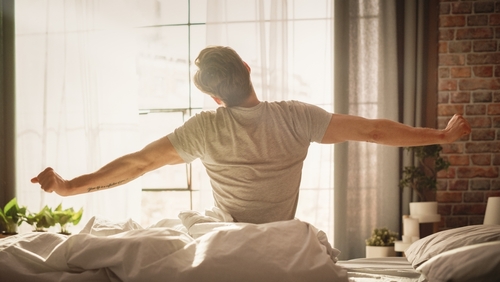
Morning daylight is useful too because light plays an important role in regulating our circadian rhythm.
Tracking can sometimes identify patterns, but don’t become obsessed with achieving a perfect sleep score. Consumer wearables estimate aspects of sleep rather than providing the same information as a clinical sleep assessment.
Try this: Keep your wake-up time reasonably consistent for two weeks and note how your energy changes.
2. Get Morning Daylight
One of the cheapest biohacks available is opening the front door.
Light is an important signal for the body’s internal clock. Exposure to natural light during the day – particularly earlier in the day – helps reinforce the distinction between daytime and nighttime.
You don’t need to stare directly at the sun, and you certainly shouldn’t.
Simply go outside.
Drink your morning coffee in the garden, walk the dog or take a short walk before work.
This has another advantage: unlike many fashionable wellness interventions, it costs absolutely nothing.
Try this: Build ten or fifteen minutes outdoors into your existing morning routine rather than trying to create an elaborate new one.
3. Use Caffeine More Deliberately
Coffee doesn’t need rebranding as a biohack, but paying attention to how you use caffeine can be surprisingly useful.
Caffeine can temporarily increase alertness and concentration, which explains why millions of us are rather attached to the morning coffee.
More isn’t automatically better.
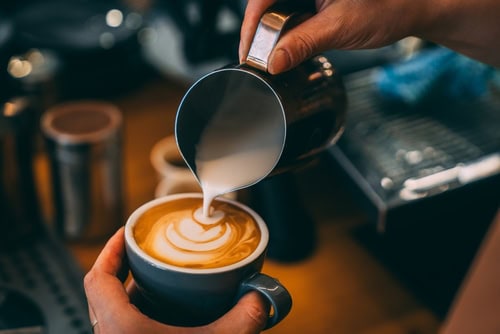
Caffeine affects people differently and can remain in the body for hours. For some people, drinking it later in the day can interfere with sleep – creating the slightly ridiculous cycle of using caffeine because you’re tired after sleeping badly, then sleeping badly because you’ve had too much caffeine.
Instead of concentrating solely on how many cups you drink, pay attention to when you drink them and how you respond.
Try this: If sleep is an issue, experiment with moving your final caffeinated drink earlier and see whether you notice a difference.
4. Treat Exercise as the Original Performance Hack
There is an irony to spending hundreds of pounds on products promising more energy while ignoring one of the most established ways of supporting physical and mental health: movement.
The best exercise isn’t necessarily whichever workout is currently trending.
It’s the one you’ll continue doing.

That could include walking, resistance training, cycling, swimming, running or a combination of different activities.
Strength training is particularly useful for maintaining muscle and physical function, while aerobic exercise supports cardiovascular fitness.
And everyday movement matters too.
An hour at the gym doesn’t completely cancel out spending the remaining waking hours in a chair.
Try this: Track consistency rather than calories burned. How many days this week did you deliberately move?
5. Experiment With Breathwork – Without the Grand Claims
Breathing exercises are frequently presented online as capable of doing almost everything imaginable.
It’s worth separating the useful part from the hype.

Slow, controlled breathing can be a practical relaxation technique. One simple approach is to breathe gently in and make the exhalation slightly longer than the inhalation.
You don’t need a complicated programme, special equipment or twenty different breathing patterns.
And you shouldn’t force yourself into prolonged breath-holding or extreme breathing exercises, particularly around water or while driving.
Try this: Spend a few minutes breathing slowly and comfortably when you feel tense. Treat it as a relaxation exercise, not a miracle cure.
6. Use Cold Water Because You Enjoy It – Not Because TikTok Told You To
Cold-water swimming and cold plunges have become synonymous with biohacking.
Some people genuinely love them.
Cold-water immersion has also been investigated for areas including exercise recovery, but that doesn’t mean every dramatic health claim attached to ice baths has been established.

Nor do you need to climb into a bath full of ice every morning to be healthy.
Cold water also carries genuine risks. Sudden immersion can cause cold shock, affect breathing and place strain on the cardiovascular system. Open-water swimming introduces additional hazards.
If you’re curious, approach it gradually and sensibly rather than treating extreme discomfort as evidence that something must be beneficial.
Try this: If you’re new to cold exposure, don’t begin with an extreme ice bath. And never treat social-media protocols as personalised medical advice.
7. Don’t Automatically Add Salt to Your Water
This is one area where older biohacking advice deserves challenging.
The idea that everybody should routinely add generous quantities of special salt to drinking water is unnecessary.
Electrolytes – including sodium and potassium – are essential to normal bodily function. But most people obtain them through ordinary food and drink.

There are circumstances in which replacing fluids and electrolytes can be useful, such as prolonged strenuous exercise or significant fluid loss, but that isn’t the same as everybody needing salted water every morning.
And “pink”, “Himalayan” or expensive packaging doesn’t transform salt into a detox product.
Your liver and kidneys already perform the body’s detoxification work.
Try this: Make ordinary hydration your starting point. If you have specific hydration or electrolyte requirements because of exercise or a medical condition, seek appropriate professional advice.
8. Be Sceptical of Extreme Fasting
Intermittent fasting is often included in biohacking routines, but it’s another area where more extreme isn’t necessarily more effective.
Time-restricted eating can suit some people’s lifestyles. For others, rigid eating windows make them miserable, interfere with training or encourage an unhealthy preoccupation with food.
You don’t need to fast for increasingly long periods simply because an influencer does.
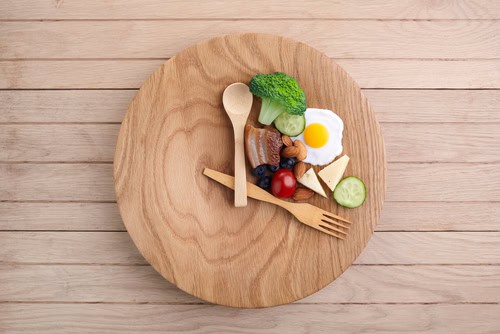
The overall quality and quantity of your diet still matter.
If you want to experiment with meal timing, start by observing your existing habits. You may discover that eliminating habitual late-night snacking is more useful than imposing a complicated fasting protocol.
Fasting isn’t suitable for everybody, particularly in some medical circumstances, during pregnancy or where there is a history of disordered eating.
Try this: Focus first on regular, nutritious meals and notice how different meal timings affect your hunger, energy and sleep.
9. Use Wearables for Trends, Not Diagnoses
Smartwatches and fitness trackers have made personal health data extraordinarily accessible.
Steps, resting heart rate, exercise, sleep estimates and other metrics can reveal interesting patterns.
Perhaps your resting heart rate changes after drinking alcohol. Maybe your sleep appears more disrupted after late nights. Perhaps tracking steps reveals just how little you move on working days.
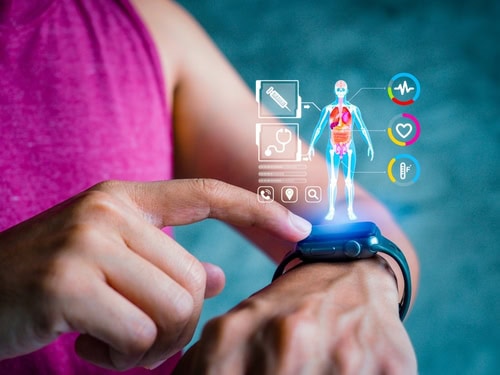
That’s useful information.
But there’s a danger in assuming more data automatically produces better health.
Consumer devices aren’t substitutes for medical tests or professional diagnosis, and repeatedly checking numbers can make some people more anxious rather than healthier.
Use the information to spot broad patterns rather than attempting to achieve perfect numbers every day.
Try this: Choose one or two metrics that actually influence a behaviour you can change. Ignore the rest if they aren’t useful.
10. Be Cautious With Expensive ‘Optimisation’
Red-light devices, private blood panels, supplements, hormone treatments, glucose monitors and other technologies increasingly appear under the biohacking umbrella.
Some have legitimate medical or scientific applications.
That doesn’t mean everybody needs them.
A medical treatment such as testosterone replacement therapy, for example, isn’t a casual wellness hack. It is a medical intervention for appropriately assessed patients and requires professional oversight.
Similarly, more blood tests aren’t automatically better. Tests are most useful when there’s a clinical reason for performing them and somebody appropriately qualified to interpret the result in context.
Red-light therapy is being studied and used for certain applications, but broad claims that one device will improve skin, energy, inflammation, recovery, longevity and almost everything else should prompt scepticism.
Before spending substantial money, ask three questions:
What exactly am I trying to improve?
What evidence supports this particular intervention for that outcome?
Could I achieve something similar by improving a basic habit first?
Those questions can save an extraordinary amount of money.
What Are the Best Biohacks for Beginners?
Start with the least exciting ones.
Sleep consistently. Get outside during daylight. Move regularly. Eat a varied diet. Drink enough fluid. Manage caffeine sensibly. Find ways to reduce prolonged stress.
Then change one thing at a time.
That’s important.
If you simultaneously start cold plunging, fasting, taking six supplements, drinking electrolyte water and changing your sleep schedule, you have no idea which change is responsible if you subsequently feel better – or worse.
Treat genuine self-experimentation like an experiment.
Establish a baseline, change one variable and give yourself enough time to observe what happens.
What Biohacking Trends Should You Be Wary Of?
Be particularly cautious when something promises dramatic results, claims to “detox” the body, encourages you to diagnose yourself, involves prescription medicines or hormones, or requires increasingly extreme behaviour to supposedly achieve better results.
The same applies to expensive supplements promoted using vague phrases such as “optimisation”, “cellular health” or “hormone balancing” without explaining precisely what that means.
Testimonials aren’t clinical evidence.
Neither are millions of TikTok views.
If an intervention could meaningfully affect a medical condition, medication or hormone level, that’s a conversation for an appropriately qualified healthcare professional rather than an online wellness experiment.
Do You Need Supplements to Start Biohacking?
No.
For most beginners, buying supplements before addressing sleep, diet, movement and other everyday behaviours is starting at the wrong end.
There are circumstances where supplementation is appropriate, including diagnosed deficiencies and particular dietary or medical requirements. But “biohacking” isn’t itself a reason to start taking something.
More isn’t necessarily better with vitamins and minerals either.
If you’re concerned about a deficiency or persistent symptoms, seek appropriate medical advice rather than trying to reverse-engineer the problem with a collection of supplements.
The Best Biohacking Might Be Surprisingly Boring
Perhaps the biggest problem with biohacking is the name.
It implies that we’ve discovered a secret back door into human biology – a clever shortcut unavailable to people who merely sleep properly, exercise and eat reasonably well.
Usually, there isn’t a shortcut.
Technology can provide useful information. New research can change our understanding of health. And experimenting with routines can certainly teach you more about what helps you feel and perform at your best.
But optimisation shouldn’t mean endlessly searching for another thing to fix.
If you’re sleeping badly, start with sleep before buying a red-light panel.
If you’re exhausted after sitting at a desk all day, go for a walk before ordering an energy supplement.
If your wearable tells you that you’re stressed, consider whether you actually needed a watch to tell you.
The most useful biohacking principle isn’t particularly futuristic:
Pay attention to your body, change one thing at a time and don’t mistake something being fashionable for it being necessary.
Looking for a luxury magazine UK readers love? Explore more stories at Opulence Magazine.


