

Eat Real Food, Not Marketing Hype — Here’s a Full Day of Eating That Actually Works
We’ve been sold a lie — that nutrition comes in sachets, bars, and brightly coloured gummies. That somehow, between bites of “birthday cake flavour” protein sludge and sips of mystery health drinks, we’re optimising our health. The truth? If your diet relies on supplements, you don’t need more products. You need more food. Real food.
Let’s not dress it up: most of the stuff in the so-called “wellness” aisle is processed junk with a clever PR team. Apple cider vinegar capsules? Useless if the rest of your meals come from a vending machine. Protein bars? Usually just fancy candy bars with a higher price tag. We’ve lost the plot — and our digestive systems are paying the price.
Here’s what you need instead: a day of actual food, built to nourish, satisfy, and support your body — without a single supplement in sight.
What’s So Wrong With Supplements, Anyway?
There’s nothing inherently evil about taking a multivitamin. But the issue is dependency. Too many of us are skipping meals, grabbing a “healthy” bar, and washing it down with some fizzy magnesium drink, then wondering why we’re still exhausted, hungry, and sluggish. You cannot out-supplement a bad diet.
Supplements are designed to supplement a diet — not replace it. But the rise of gut health powders, fat-burning lollipops, and superfood sprinkles has warped our view of what a healthy lifestyle actually looks like.
A Day of Real Eating That Meets Your Needs
This isn’t a detox. This isn’t keto. This is how a day of eating can actually work when it’s built on whole, real, satisfying food.
🕖 Breakfast: Two-egg veggie omelette with wholegrain toast and a side of berries
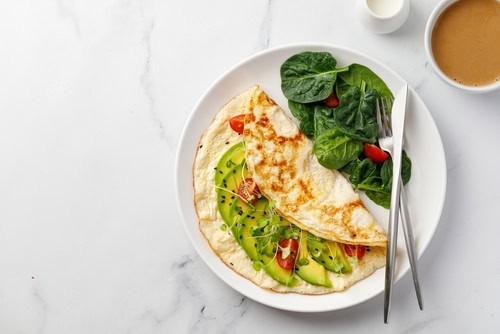
- Why it works:
Eggs give you protein, healthy fats, and choline (great for your brain). Veggies like spinach and mushrooms add fibre, iron, and antioxidants. Wholegrain toast = complex carbs for energy. Berries pack vitamin C and polyphenols.
🕛 Lunch: Roast chicken thigh salad with quinoa, avocado, cherry tomatoes, red onion, olive oil and lemon dressing

- Why it works:
Chicken thighs provide protein and iron. Quinoa gives you plant protein, fibre, and slow-release carbs. Avocado = healthy fats and potassium. Olive oil supports heart health. Bonus: tastes amazing.
🕒 Afternoon snack: Apple with peanut butter + a few almonds
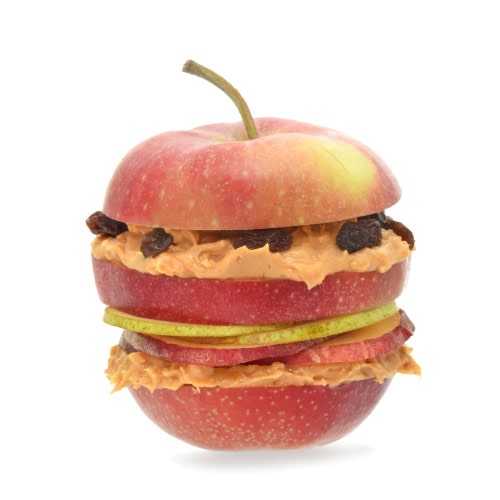
- Why it works:
Whole fruit (not a fruit-flavoured bar) gives fibre and natural sugars. Peanut butter and almonds offer protein, fat, and a steady energy release — no crash, no filler.
🕕 Dinner: Pan-fried salmon with sweet potato mash, sautéed kale and garlic
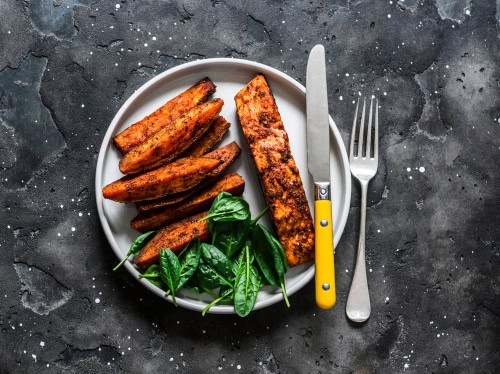
- Why it works:
Salmon is rich in omega-3s, protein, and B12. Sweet potatoes are packed with beta-carotene and complex carbs. Kale brings vitamin K, C, and magnesium. Garlic = flavour + immune support. Your body says thank you.
🛏️ Optional evening bite (if hungry): Greek yoghurt with cinnamon and a few walnuts
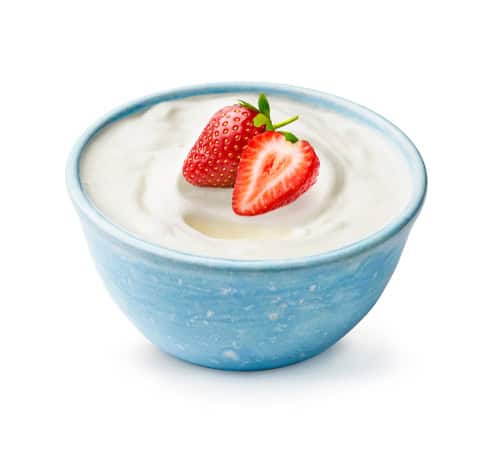
- Why it works:
A light, protein-rich end to the day. The probiotics support your gut, the walnuts give omega-3s, and cinnamon helps with blood sugar balance.
The Result? You Don’t Need a Gummy for That
If you eat like this most days — give or take — you’re ticking every nutritional box:
- Protein ✔️
- Healthy fats ✔️
- Fibre ✔️
- Complex carbs ✔️
- Vitamins & minerals ✔️
- Satisfaction ✔️✔️✔️
You don’t need synthetic vitamins when you eat a variety of whole foods. You don’t need energy drinks when you sleep well and fuel properly. You don’t need anything that comes in a sachet marked “detox.”
Eat Like a Human — Not an Algorithm
Real food takes a little planning. But it rewards you in ways no supplement ever could — better digestion, clearer skin, steady energy, and actual joy. It’s time to put down the overpriced powders and pick up a knife and fork.
You don’t need a degree in nutrition to eat well. You just need to eat food your grandparents would recognise. And no — that doesn’t include “birthday cake” flavoured protein bars.


