
7 Skincare Ingredients That Are Actually Worth Buying
The beauty industry is constantly introducing new products, promising everything from glowing skin and smaller-looking pores to a smoother, more youthful complexion. With countless serums, creams and treatments competing for our attention, it’s easy to assume that an expensive product or the latest trending ingredient must be the answer to better skin.
But effective skincare doesn’t need to be complicated, and a luxurious routine certainly doesn’t have to involve an overflowing bathroom cabinet.
The secret to choosing products that genuinely deserve a place in your beauty routine is understanding what their ingredients do. Some help the skin retain moisture, others improve its protective barrier, while certain active ingredients can address concerns such as acne, uneven pigmentation and the appearance of fine lines.
Rather than being distracted by elaborate packaging or ambitious marketing claims, learning to recognise the best skincare ingredients can help you make more informed purchases.
Whether you’re refreshing your existing routine or investing in a few carefully chosen products, these seven ingredients are worth knowing about.
1. Hyaluronic Acid and Glycerin – For Hydrated, Plumper-Looking Skin
Hydration is fundamental to healthy-looking skin, and two ingredients that deserve attention are hyaluronic acid and glycerin.
Both belong to a category of skincare ingredients known as humectants, which help attract and retain water.

Hyaluronic acid has become particularly popular in facial serums, largely because of its ability to help the skin feel hydrated and temporarily appear smoother and plumper.
Despite its name, hyaluronic acid isn’t an exfoliating acid. It’s a naturally occurring substance found in the body, including the skin, where it plays a role in retaining moisture.
Glycerin performs a similar function and is one of the most established moisturising ingredients in skincare.
Although it rarely attracts the same excitement as newer beauty ingredients, glycerin is an excellent example of why expensive doesn’t necessarily mean effective.
A well-formulated moisturiser containing glycerin can be just as valuable to your routine as a fashionable hydrating serum.
Who should use them?
Hyaluronic acid and glycerin are suitable for many skin types, including dry, dehydrated and combination skin.
They’re especially useful when skin feels tight or uncomfortable after cleansing.
What should you look for?
Choose a hydrating serum or moisturiser that contains hyaluronic acid, glycerin or both.
For particularly dry skin, combining humectants with richer moisturising ingredients can help reduce moisture loss.
Worth knowing: You don’t necessarily need a separate hyaluronic acid serum if your existing moisturiser already provides adequate hydration.
2. Niacinamide – The Versatile Ingredient for a More Balanced Complexion
If there’s one skincare ingredient that deserves its reputation as a multitasker, it’s niacinamide.
Also known as vitamin B3, niacinamide has become a popular addition to moisturisers, toners and facial serums because it can address several common skin concerns.
One of its most valuable properties is its ability to support the skin’s natural barrier, helping it retain moisture and tolerate everyday environmental stresses.
Niacinamide can also help improve the appearance of uneven skin tone and regulate excess oiliness in some people.
For those with combination or blemish-prone skin, this makes it an appealing ingredient to incorporate into an everyday routine.
Unlike stronger exfoliating treatments, niacinamide is often relatively well tolerated, although individual reactions can still occur.
Who should use it?
Niacinamide may be particularly beneficial for people experiencing:
- Uneven-looking skin tone
- Excess oiliness
- Mild redness
- Dehydration
- A weakened skin barrier
What should you look for?
Niacinamide appears in products at various concentrations.
Higher percentages aren’t automatically better, and some people find strong formulations irritating.
For most everyday skincare routines, there’s little reason to assume that a 10% niacinamide serum will outperform a carefully formulated product containing a more modest concentration.
Worth knowing: Niacinamide can be included in both morning and evening routines and works well alongside many other skincare ingredients.
3. Ceramides – Essential Support for the Skin Barrier
Your skin has its own natural protective barrier, helping to retain moisture while limiting exposure to external irritants.
Ceramides are an important part of that barrier.
These naturally occurring lipids are found between skin cells, where they help maintain the structure of the outermost layer of skin.
When the skin barrier isn’t functioning effectively, you might notice dryness, tightness, flaking or increased sensitivity.
Although numerous factors can contribute to these symptoms, including harsh cleansing and certain skin conditions, moisturisers containing ceramides can help support barrier function.
This makes ceramides particularly valuable for people who frequently experience dry or uncomfortable skin.
They’re also useful when your routine includes ingredients that can cause dryness, such as retinoids or exfoliating acids.
Who should use them?
Ceramide-containing products are particularly worth considering for:
- Dry or dehydrated skin
- Skin prone to sensitivity
- People experiencing tightness or flaking
- Anyone using potentially drying skincare treatments
What should you look for?
Ceramides commonly appear in facial moisturisers, barrier creams and lotions.
On ingredient lists, you might notice names such as Ceramide NP, Ceramide AP or Ceramide EOP.
Products combining ceramides with ingredients such as cholesterol, fatty acids and glycerin can be especially useful for moisturising.
Worth knowing: A healthy-looking complexion starts with a comfortable, well-moisturised skin barrier. Adding more active treatments isn’t always the solution when your skin feels irritated.
4. Vitamin C – For Brighter, More Even-Looking Skin
Vitamin C is one of the most recognisable ingredients in modern skincare, particularly among people looking to improve the appearance of dullness and uneven pigmentation.
As an antioxidant, vitamin C helps protect against certain types of oxidative damage caused by environmental exposure.
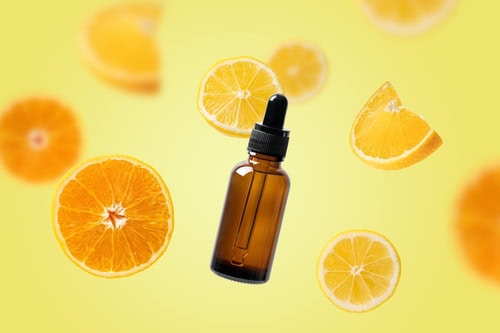
It also plays a role in collagen production, making it an appealing ingredient in skincare products aimed at improving the appearance of ageing skin.
Some topical vitamin C formulations can help reduce the appearance of dark spots and contribute to a brighter, more even-looking complexion.
However, not all vitamin C products are created equal.
Formulation, concentration, packaging and the particular form of vitamin C used can influence how well a product performs.
Who should use it?
Vitamin C may appeal to people concerned about:
- Dull-looking skin
- Uneven skin tone
- Dark spots
- Early signs of skin ageing
What should you look for?
L-ascorbic acid is a well-studied form of vitamin C, although it can be unstable and may cause irritation in some formulations.
Other vitamin C derivatives are frequently used in skincare products, often with the aim of improving stability or tolerability.
Opaque or air-restrictive packaging can help protect formulations that are vulnerable to degradation.
How should you use it?
Vitamin C can be incorporated into a morning skincare routine, followed by moisturiser and sunscreen.
Begin with a product appropriate for your skin’s tolerance rather than automatically choosing the highest concentration available.
Worth knowing: Vitamin C isn’t a substitute for sunscreen. Although antioxidants can complement a skincare routine, proper sun protection remains essential.
5. Retinol and Retinoids – For Fine Lines, Texture and Acne
Retinoids are among the most extensively studied ingredients used in skincare.
Derived from vitamin A, this family of ingredients includes cosmetic retinol as well as prescription treatments such as tretinoin and adapalene.
Different retinoids work in different ways, but certain formulations can help improve acne, uneven pigmentation, skin texture and the appearance of fine lines.
Retinol is particularly popular in products marketed towards people concerned about visible signs of ageing.
With consistent use, appropriate formulations may help improve the skin’s appearance over time.
However, retinoids require a little more care than basic moisturising ingredients.
Dryness, peeling and irritation are common when starting treatment, particularly if a product is introduced too frequently.
Who should use them?
Retinoids may be worth considering for adults concerned about:
- Fine lines
- Uneven skin texture
- Mild pigmentation irregularities
- Acne or congestion
The appropriate product will depend on the concern being treated, as prescription retinoids and cosmetic retinol aren’t interchangeable.
How should you introduce retinol?
If you’re new to retinol, begin with a lower-strength product and introduce it gradually, following the manufacturer’s instructions.
Many people find it helpful to start with a few applications per week rather than using it every evening.
Apply moisturiser to help manage dryness and use sunscreen consistently during the day.
Avoid introducing several exfoliating or potentially irritating products at the same time.
Important: Retinoids should be avoided during pregnancy and when planning a pregnancy. Seek professional advice if you’re unsure whether a particular product is suitable.
Worth knowing: Retinol isn’t an overnight treatment. Visible improvements generally require consistent use over several weeks or months.
6. Azelaic Acid – For Blemishes and Uneven Skin Tone
Azelaic acid is an interesting skincare ingredient because it offers several potential benefits without being as widely discussed as retinol or vitamin C.
It has anti-inflammatory properties and is used in treatments for acne and certain forms of rosacea.
It can also help address some types of uneven pigmentation, including post-inflammatory marks left behind by blemishes.
For people who experience breakouts alongside redness or an uneven-looking complexion, azelaic acid may therefore be worth exploring.
However, it’s important to distinguish between cosmetic products containing azelaic acid and medicinal formulations used to treat diagnosed skin conditions.
The concentration and formulation can make a considerable difference.
Who should use it?
Azelaic acid may be helpful for people concerned about:
- Mild acne
- Blemish-related marks
- Uneven pigmentation
- Certain types of inflammation associated with rosacea
What should you look for?
Azelaic acid is available in different strengths and product types.
Lower-strength cosmetic formulations are often marketed for improving the appearance of uneven skin tone, while stronger medicinal preparations may be recommended for acne or rosacea.
If you’re managing a diagnosed skin condition, speak with a pharmacist, GP or dermatologist about the most appropriate treatment.
How should you use it?
Follow the product instructions and introduce it gradually if your skin is sensitive.
Azelaic acid can cause temporary stinging, dryness or irritation, particularly when first introduced.
Worth knowing: Although azelaic acid is often described as gentle, that doesn’t mean every formulation will suit every skin type.
7. Salicylic Acid – For Congested Pores and Blemish-Prone Skin
If blackheads, clogged pores and occasional breakouts are among your main skincare concerns, salicylic acid is an ingredient worth understanding.
Salicylic acid belongs to the beta hydroxy acid family, commonly abbreviated to BHA.
It’s oil-soluble, which allows it to work within oily pores, helping to loosen and remove the build-up of dead skin cells that contributes to congestion.
This makes salicylic acid particularly useful for blackheads and whiteheads.
It’s frequently found in cleansers, toners, exfoliating liquids and targeted blemish treatments.
However, more exfoliation doesn’t necessarily lead to clearer skin.
Overusing salicylic acid can cause dryness, irritation and disruption to the skin barrier, potentially making your complexion feel worse.
Who should use it?
Salicylic acid may be particularly useful for:
- Oily skin
- Blackheads
- Whiteheads
- Congested pores
- Mild blemish-prone skin
What should you look for?
Choose a product designed for your particular skin concern and follow its application instructions.
Leave-on treatments can be effective, but they may also be more irritating than products that are rinsed away.
If you’re already using retinol or other exfoliating acids, be cautious about adding salicylic acid to the same routine.
Worth knowing: Salicylic acid can help keep pores clear, but it cannot permanently change their natural size.
Which Skincare Ingredients Are Best for Your Skin Type?
With so many impressive-sounding ingredients available, the most sensible approach is to identify what your skin actually needs before investing in new products.
The following guide offers a useful starting point.
| Skin concern | Ingredients worth considering |
|---|---|
| Dry or dehydrated skin | Hyaluronic acid, glycerin and ceramides |
| Oily skin | Niacinamide and salicylic acid |
| Blackheads and clogged pores | Salicylic acid |
| Dull or uneven-looking skin | Vitamin C and niacinamide |
| Fine lines and uneven texture | Retinol or other suitable retinoids |
| Blemish-related pigmentation | Azelaic acid and vitamin C |
| Sensitive or easily irritated skin | Ceramides, glycerin and carefully formulated moisturisers |
These are general suggestions rather than universal recommendations. Skin type, sensitivity, existing conditions and the formulation of a product all influence which ingredients will be suitable.
How to Build a Skincare Routine Without Buying Too Many Products
One of the biggest misconceptions surrounding skincare is that better results require more products.
In reality, a straightforward routine built around your individual needs is often easier to maintain and less likely to cause unnecessary irritation.
A Simple Morning Skincare Routine
Step 1: Gentle cleansing
Wash your face with a mild cleanser suitable for your skin type. Some people with dry or sensitive skin may prefer simply rinsing with water in the morning.
Step 2: Targeted treatment
If appropriate, apply a serum containing an ingredient such as vitamin C or niacinamide.
You don’t necessarily need both.
Step 3: Moisturiser
Choose a moisturiser that helps maintain hydration and supports your skin barrier.
Ingredients such as glycerin, ceramides and hyaluronic acid can be particularly useful.
Step 4: Sunscreen
Finish with broad-spectrum sun protection.
In the UK, choose a suitable sunscreen with at least SPF 30 and good UVA protection when sun protection is needed. Apply it generously and reapply according to the product instructions, particularly during prolonged outdoor exposure.
Sun protection is one of the most valuable parts of a routine aimed at preventing premature skin ageing.
A Simple Evening Skincare Routine
Step 1: Remove makeup and cleanse
Thoroughly remove makeup, sunscreen and everyday impurities using a gentle cleansing product.
Step 2: Apply an appropriate treatment
Depending on your skin’s needs, this might include retinol, azelaic acid or salicylic acid.
Avoid introducing several strong treatments simultaneously.
Step 3: Moisturise
Finish with a moisturiser suited to your skin type.
A ceramide-rich cream may be particularly helpful if your skin feels dry or uncomfortable.
The aim isn’t to use every ingredient mentioned in this article. It’s to select the few that are most likely to help with your individual concerns.
Does Expensive Skincare Work Better Than Affordable Products?
Luxury skincare can be a pleasure to use. Beautiful textures, elegant packaging and thoughtfully developed formulations can transform an everyday routine into something that feels genuinely indulgent.
However, a higher price doesn’t automatically guarantee better results.
The effectiveness of a skincare product depends on numerous factors, including its ingredients, formulation, stability, suitability for your skin and how consistently it’s used.
An affordable moisturiser containing glycerin and ceramides may provide excellent hydration, while a more expensive product might offer additional benefits such as a particularly elegant texture or sophisticated delivery system.
Neither approach is inherently right or wrong.
The important thing is to understand what you’re paying for.
If you’re investing in a premium serum, consider whether its active ingredients address a concern you actually have rather than simply choosing it because it’s fashionable.
Equally, don’t overlook effective products because their packaging is relatively modest.
How Long Should You Try a Skincare Product Before Deciding Whether It Works?
Patience is an important part of building an effective skincare routine.
Some ingredients, particularly moisturising ingredients such as glycerin and hyaluronic acid, can improve the feeling of skin hydration relatively quickly.
Others require considerably more time.
Ingredients used to improve pigmentation, acne or visible signs of ageing may take several weeks or months to produce noticeable results.
Changing products too frequently can make it difficult to understand what’s helping your skin and what might be causing irritation.
A sensible approach is to introduce one new product at a time, monitor how your skin responds and allow an appropriate period to assess the results.
Patch testing a new product before widespread use can also help identify potential irritation or sensitivity.
If a product causes persistent burning, swelling, significant redness or other concerning symptoms, stop using it and seek professional advice where appropriate.
Are Natural Skincare Ingredients Always Better?
Not necessarily.
Although botanical extracts and naturally derived ingredients can be valuable additions to skincare formulations, their origin doesn’t automatically determine how safe or effective they are.
Some natural substances, including certain essential oils and fragrant plant extracts, can cause irritation or allergic reactions.
Similarly, laboratory-produced ingredients aren’t inherently harmful simply because they’re synthetic.
Hyaluronic acid, niacinamide and many other established skincare ingredients can be manufactured or processed using controlled methods that help ensure consistency.
What matters most is the quality of the formulation, the evidence supporting its ingredients and whether the finished product is suitable for your skin.
Choosing skincare based on scientific understanding and personal tolerance is generally more useful than relying on labels such as natural, clean or chemical-free.
What Makes a Skincare Ingredient Worth Buying?
Ultimately, the best skincare ingredients are the ones that address your personal concerns without creating unnecessary problems.
For someone with dry skin, a well-formulated moisturiser containing ceramides and glycerin may make a more noticeable difference than an expensive anti-ageing serum.
For another person, introducing an appropriate vitamin C product or retinoid could help improve the appearance of uneven skin tone or fine lines.
The key is to focus on what your skin needs rather than what social media suggests you should be using.
Effective skincare doesn’t require an elaborate routine, endless experimentation or a collection of expensive products.
A few carefully selected ingredients, consistent application and sensible sun protection can provide a strong foundation for healthier-looking skin.
And while there’s absolutely nothing wrong with enjoying luxurious beauty products, knowing which skincare ingredients are genuinely worth buying makes every purchase a little more considered.


