

8 Gorgeous Autumn Fragrance Notes to Embrace This Season
As the temperature drops and the evenings draw in, autumn brings the perfect opportunity to rethink your signature scent. The fresh citrus, delicate florals and breezy fragrances of summer often give way to something richer, warmer and a little more indulgent.
Autumn fragrances have a particular charm. Think creamy vanilla, smoky woods, comforting spices and luxurious amber. These are the scents that evoke cosy evenings, crisp woodland walks, soft cashmere jumpers and candlelit dinners.
Of course, choosing a fragrance is deeply personal. Some people love a bold, lingering perfume that makes an entrance, while others prefer something subtle that sits close to the skin. The beauty of autumn fragrance notes is that they can be combined in countless ways, creating everything from sophisticated everyday scents to seductive evening perfumes.
Whether you’re looking for a new perfume, experimenting with fragrance layering or simply discovering which aromas appeal to you, these eight gorgeous autumn scents are worth exploring.
1. Vanilla – Warm, Creamy and Irresistibly Comforting
Vanilla is one of the most recognisable fragrance notes, but there’s much more to it than the sugary sweetness often associated with desserts.
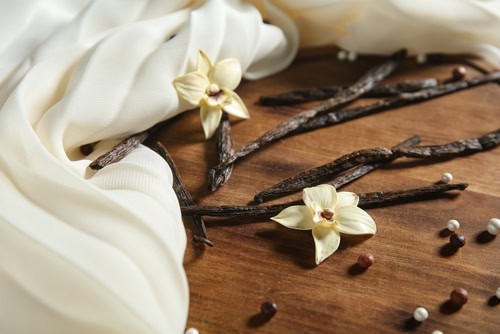
In perfumery, vanilla can be creamy, smoky, woody or even slightly spicy, depending on the ingredients surrounding it. It’s this versatility that makes it particularly appealing during autumn.
A sophisticated vanilla fragrance might combine the warmth of vanilla with sandalwood, amber or musk, creating a smooth, luxurious aroma that feels comforting without becoming overpoweringly sweet.
For something a little more indulgent, vanilla paired with caramel, tonka bean or coffee creates a deliciously rich fragrance.
Fragrance pairings to try: Sandalwood, amber, tonka bean, musk and coffee.
Best for: Cosy evenings, everyday autumn wear and anyone who enjoys warm, comforting perfumes.
2. Sandalwood – Soft, Woody and Beautifully Sophisticated
Few fragrance ingredients capture understated luxury quite like sandalwood.
Known for its creamy, woody character, sandalwood brings warmth and depth to a fragrance without necessarily making it heavy. Depending on the composition, it can smell soft and milky, gently earthy or beautifully smooth.
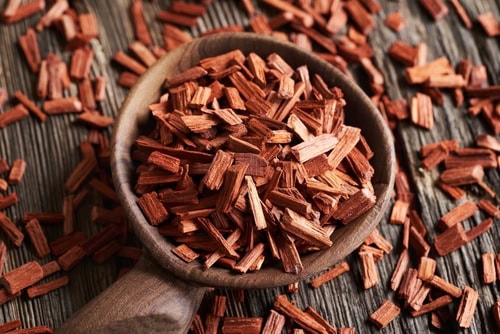
Sandalwood is particularly appealing in autumn because it complements both lighter fragrances and richer, more intense compositions.
When combined with delicate floral notes, it creates an elegant, wearable perfume. Paired with amber, leather or musk, it develops a deeper character that feels especially suited to cooler evenings.
It’s also an excellent choice for anyone who prefers fragrances that aren’t overtly sweet.
Fragrance pairings to try: Rose, cardamom, vanilla, amber and musk.
Best for: Sophisticated daytime fragrances, understated evening scents and woody perfume lovers.
3. Cinnamon – Spicy, Warming and Full of Character
There’s something wonderfully nostalgic about the smell of cinnamon. It immediately brings to mind autumn baking, warming drinks and the comforting aromas of a cosy home.
In fragrance, however, cinnamon can be much more sophisticated than its culinary associations suggest.
Used carefully, it introduces a warm, spicy character that adds depth and personality to perfumes. It works particularly well alongside sweet ingredients, but can also bring an intriguing contrast to woody or floral compositions.
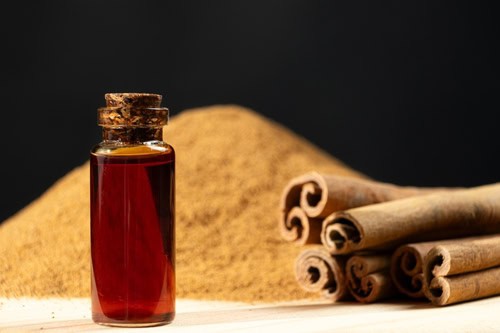
Cinnamon paired with vanilla creates a comforting, gourmand-style fragrance, while combinations featuring tobacco, sandalwood or amber feel richer and more dramatic.
Because cinnamon is a powerful scent, it often works best as one element within a carefully balanced fragrance.
Fragrance pairings to try: Vanilla, clove, amber, tobacco and sandalwood.
Best for: Chilly autumn evenings, spicy fragrances and those who enjoy distinctive perfumes.
4. Amber – Rich, Sensual and Effortlessly Elegant
If autumn had a signature fragrance, amber would certainly be a contender.
In perfumery, amber isn’t usually the scent of the fossilised resin itself. Instead, it describes a warm, enveloping accord traditionally created using ingredients such as labdanum, benzoin and vanilla.
The result is a rich, sometimes resinous aroma that can feel sweet, powdery, spicy or deeply sensual.
Amber fragrances are particularly beautiful during autumn because they have a comforting quality while retaining a sense of elegance and sophistication.
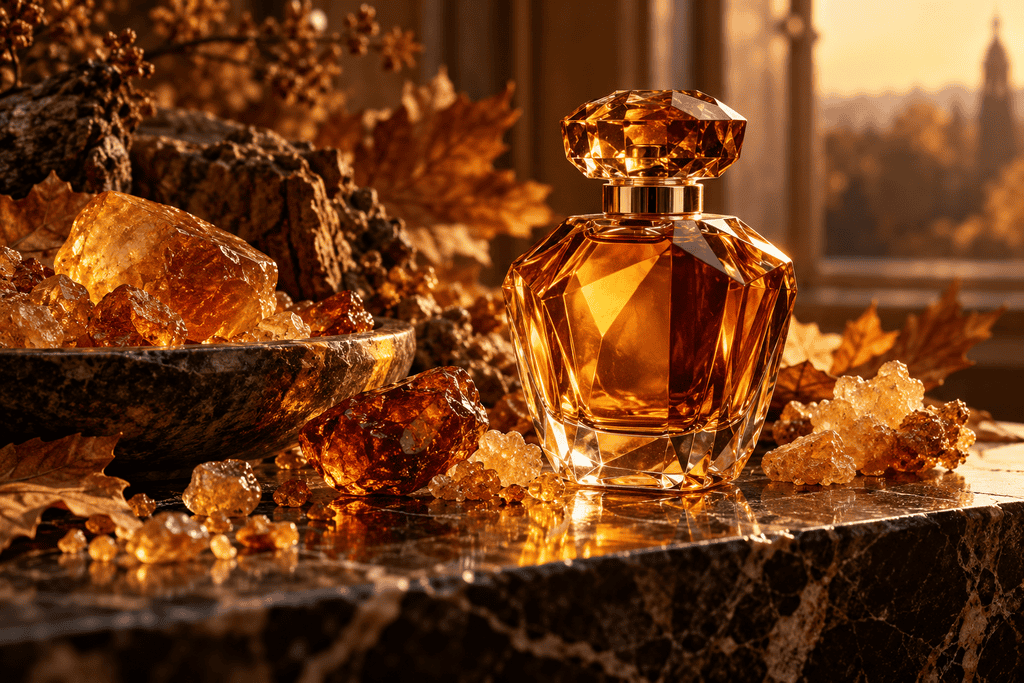
Lighter amber perfumes can be worn throughout the day, while richer interpretations featuring woods, spices and resins make wonderful evening fragrances.
Amber also works beautifully as a base for other ingredients, helping to create a rounded, harmonious composition.
Fragrance pairings to try: Vanilla, patchouli, rose, sandalwood and incense.
Best for: Evening occasions, romantic dinners and anyone who loves luxurious, enveloping scents.
5. Fig – Earthy, Green and Unexpectedly Beautiful
For those who find traditional autumn fragrances a little too sweet or spicy, fig offers a wonderfully sophisticated alternative.
Fig fragrances are often associated with Mediterranean gardens, but their combination of creamy fruit, green leaves and soft woody undertones makes them equally appealing during autumn.
Unlike intensely sweet fruit fragrances, fig can have a fresh, leafy character balanced by a subtle milky softness.

Some compositions highlight the green aroma of fig leaves, while others focus on the creamy sweetness of the fruit or the woody qualities associated with the fig tree.
Paired with cedarwood, musk or sandalwood, fig becomes a beautifully understated autumn fragrance that feels modern and elegant.
It’s particularly appealing for anyone who enjoys natural-smelling perfumes with an unusual twist.
Fragrance pairings to try: Cedarwood, green tea, sandalwood, coconut and musk.
Best for: Daytime wear, understated elegance and those looking for something different from conventional autumn perfumes.
6. Patchouli – Earthy, Mysterious and Wonderfully Deep
Patchouli has a distinctive character that makes it one of the most interesting ingredients in perfumery.
Derived from the leaves of the patchouli plant, its scent is earthy, woody and sometimes slightly sweet, with darker, almost chocolate-like nuances in certain compositions.
Although patchouli has long been associated with bohemian fragrances, modern interpretations can be incredibly refined.
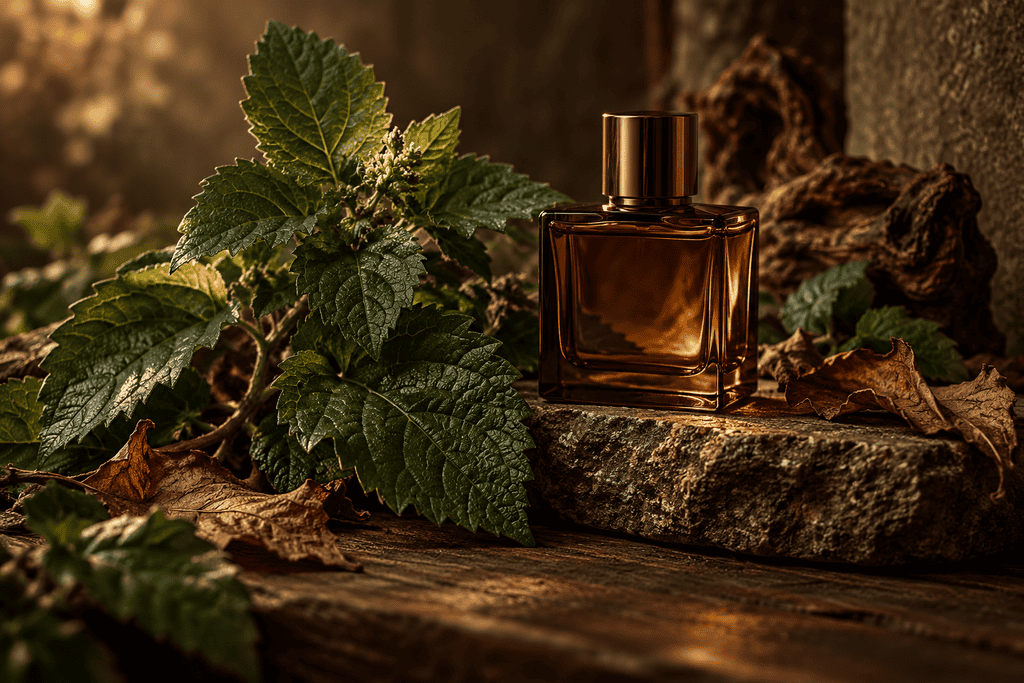
When blended with rose, it creates a rich floral fragrance with depth and warmth. Combined with vanilla or amber, it becomes softer and more sensual. Alongside citrus notes, patchouli can feel surprisingly fresh and contemporary.
Patchouli is also frequently used in the base of perfumes, contributing to their depth and helping the overall fragrance develop.
During autumn, its earthy qualities feel especially appropriate, bringing to mind damp woodland paths, fallen leaves and the richness of the changing season.
Fragrance pairings to try: Rose, vanilla, bergamot, amber and dark chocolate accords.
Best for: Evening fragrances, earthy perfumes and anyone who enjoys bold, distinctive scents.
7. Cardamom – Aromatic, Spicy and Beautifully Refined
Cardamom is one of those fragrance ingredients that deserves far more attention.
While cinnamon and clove often dominate discussions about autumn spices, cardamom offers something more delicate and intriguing.
Its aroma is warm and aromatic, with fresh, slightly green and citrus-like qualities that prevent it from feeling too heavy.
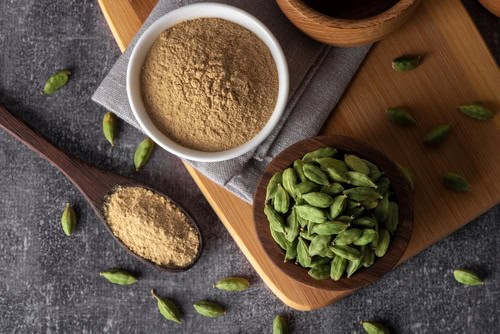
This makes cardamom particularly versatile. It can introduce an elegant spicy touch to a light fragrance or add an interesting dimension to richer woody compositions.
Paired with sandalwood, it creates a smooth, sophisticated scent. Combined with vanilla or tonka bean, it becomes warmer and more comforting.
Cardamom also works particularly well in fragrances designed to be worn throughout the day, offering a touch of seasonal warmth without the intensity of heavier spice notes.
Fragrance pairings to try: Sandalwood, bergamot, vanilla, black tea and cedarwood.
Best for: Everyday autumn perfumes, aromatic fragrances and lovers of subtle spice.
8. Tonka Bean – Sweet, Velvety and Deliciously Indulgent
Tonka bean is a wonderful fragrance note for anyone who loves vanilla but wants something a little more complex.
Obtained from the seeds of the Dipteryx odorata tree, tonka bean is prized in perfumery for its warm, sweet aroma.
Its scent is often described as a combination of vanilla, almond, caramel and freshly cut hay, although the exact impression depends on the fragrance composition.
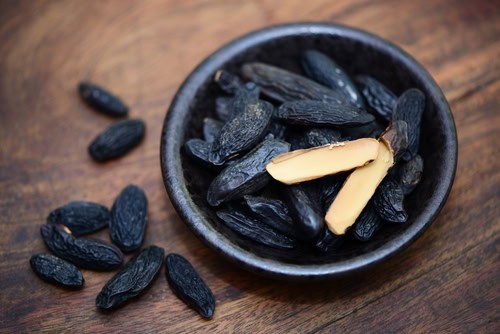
Tonka bean brings a beautiful softness to perfumes, making them feel smooth, velvety and comforting.
It works particularly well in gourmand fragrances, where edible-smelling ingredients create an indulgent effect. However, tonka bean is equally appealing when blended with tobacco, leather or woody notes for a more sophisticated interpretation.
It’s an excellent choice for autumn because it offers sweetness and warmth without necessarily smelling like a traditional dessert fragrance.
Fragrance pairings to try: Vanilla, almond, tobacco, lavender and amber.
Best for: Cosy evenings, gourmand perfumes and those who enjoy warm, softly sweet fragrances.
How to Choose the Perfect Autumn Fragrance
Finding your ideal autumn perfume isn’t simply a matter of choosing the richest or strongest scent available. The best fragrance is one that complements your personal preferences, lifestyle and the occasions when you intend to wear it.
If you’re unsure where to begin, consider the following.
Think About the Fragrances You Already Love
If you naturally gravitate towards fresh, light perfumes, there’s no need to abandon them when autumn arrives.
Instead, look for familiar ingredients combined with warmer notes.
A citrus fragrance with sandalwood or cardamom, for example, can feel seasonally appropriate without becoming heavy.
Similarly, floral fragrance lovers might enjoy rose paired with amber or patchouli.
Understand Top, Heart and Base Notes
Perfumes are commonly described through three layers of fragrance notes.
- Top notes: The scents you notice when you first apply a perfume. These often include citrus, herbs and lighter aromatic ingredients.
- Heart notes: The central character of the fragrance, which becomes more noticeable as the opening notes fade. Floral and spicy ingredients frequently feature here.
- Base notes: The deeper elements that help shape the fragrance as it develops. Vanilla, sandalwood, amber accords and patchouli are common examples.
These categories are useful guides, although fragrances don’t always develop in three perfectly distinct stages.
Understanding how the different notes work together can make choosing a perfume much easier.
Try Before You Buy
A fragrance that smells wonderful on a paper tester might develop differently when applied to your skin.
Skin chemistry, temperature, the perfume’s formulation and even your own perception of scent can influence the experience.
Whenever possible, apply a small amount to your wrist and allow it to develop for several hours before making a decision.
This is particularly important with richer autumn fragrances, as their deeper notes may become more noticeable over time.
Don’t Assume Autumn Perfumes Have to Be Heavy
Although warm and woody notes are traditionally associated with cooler weather, a beautiful autumn fragrance doesn’t need to be overpowering.
Fig, cardamom and creamy sandalwood can provide seasonal depth while remaining subtle enough for everyday wear.
If you prefer something more dramatic, amber, patchouli and rich vanilla compositions are worth exploring.
The key is finding the right balance for your individual taste.
Can You Layer Different Autumn Fragrances?
Fragrance layering is a lovely way to create a more personalised scent, particularly during autumn when warm ingredients work so beautifully together.
The idea is simple: combine two compatible fragrances to create a different overall impression.
For example:
- Vanilla and sandalwood: A creamy, comforting combination with understated elegance.
- Fig and cedarwood: Fresh, green and woody, with a sophisticated natural character.
- Amber and rose: Rich and romantic, ideal for evening wear.
- Cardamom and vanilla: Softly spicy with a warm, inviting sweetness.
- Patchouli and tonka bean: Deep, earthy and indulgent with a smooth finish.
Start with small amounts and experiment gradually. Not every perfume works well with another, and combining strong compositions can quickly become overwhelming.
It’s also worth remembering that layering doesn’t necessarily improve how long a fragrance lasts. The result depends on the individual formulations.
How to Make Your Autumn Perfume Last Longer
Cooler autumn weather can change how a perfume is perceived, particularly when compared with the warmth of summer.
A few simple habits can help you get more enjoyment from your favourite fragrances.
Apply perfume to moisturised skin. Fragrance can sometimes seem to fade more quickly on dry skin. Using an unscented moisturiser beforehand may help improve the wearing experience.
Avoid rubbing your wrists together. There’s no need to rub perfume into the skin. Simply apply it and allow it to settle naturally.
Choose your application points carefully. Wrists and the neck are popular choices, although applying perfume to clothing can sometimes help the scent remain noticeable for longer. Always check for potential staining first, particularly on delicate fabrics.
Store fragrances correctly. Keep perfume away from direct sunlight, excessive heat and repeated temperature fluctuations. A cool, dark cupboard is generally preferable to a steamy bathroom.
Consider the fragrance concentration. Eau de parfum often contains a higher concentration of fragrance materials than eau de toilette, although longevity depends on the individual composition rather than concentration alone.
Embrace the Fragrances of Autumn
Autumn is a wonderful season for exploring perfume. From the creamy sweetness of vanilla and tonka bean to the earthy richness of patchouli and the understated elegance of sandalwood, there’s an extraordinary variety of scents to discover.
And while some fragrances feel particularly suited to crisp mornings and cosy evenings, there are no rules that say you must change your perfume with the seasons.
Whether you prefer something subtle and sophisticated or warm, spicy and indulgent, the most beautiful autumn fragrance is ultimately the one that makes you feel fabulous every time you wear it.


