

10 Simple Ways to Boost Your Energy Naturally and Feel Your Best
There are days when even the smallest tasks feel surprisingly demanding. You wake up tired, struggle to concentrate through the afternoon and find yourself reaching for another coffee just to make it to the evening. Sound familiar?
Occasional tiredness is part of everyday life, particularly when work, family commitments and social plans compete for our attention. However, when feeling exhausted becomes the norm rather than the exception, it may be time to reconsider the habits that influence our energy levels.
The good news is that learning how to boost energy naturally doesn’t have to involve an expensive wellness retreat, an elaborate supplement routine or a complete lifestyle overhaul. Often, a handful of manageable changes to the way we sleep, eat, move and unwind can make a meaningful difference.
From making better use of daylight to understanding the relationship between caffeine and sleep, here are ten practical ways to fight everyday fatigue and feel more energised.
Why Do We Feel Tired All the Time?
Before looking at ways to improve energy levels, it helps to understand why tiredness occurs in the first place.
Fatigue can develop for numerous reasons, including insufficient sleep, prolonged stress, poor nutrition, dehydration and a lack of physical activity. Irregular working hours, hormonal changes and certain medications can also play a part.

Sometimes, several seemingly minor factors combine to leave us feeling persistently drained. A late night might lead to an extra coffee the following afternoon, which makes it harder to fall asleep the next evening. Before long, a temporary period of tiredness develops into an unhelpful cycle.
The distinction between ordinary tiredness and persistent fatigue is important. While lifestyle improvements can help with many everyday causes of low energy, ongoing exhaustion may indicate an underlying health condition that requires medical attention.
Understanding what might be affecting your energy is the first step towards making changes that actually help.
1. Make Quality Sleep Your First Priority
A good night’s sleep remains one of the most effective ways to support your physical and mental wellbeing.
During sleep, the body carries out essential processes involved in recovery, memory and normal physiological functioning. When sleep is regularly disrupted or insufficient, the effects can extend far beyond feeling sleepy the following morning.
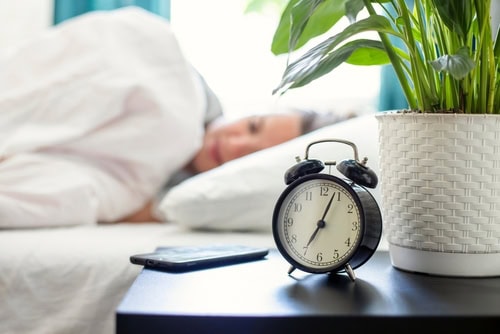
Poor sleep can make concentration more difficult, affect mood and leave everyday responsibilities feeling unusually overwhelming.
Most adults need approximately seven to nine hours of sleep each night, although individual requirements vary.
Rather than focusing exclusively on the number of hours spent in bed, consider the quality and consistency of your sleep.
Simple ways to improve your sleep routine:
- Establish a reasonably consistent bedtime and waking time.
- Keep your bedroom dark, quiet and comfortably cool.
- Reduce exposure to bright screens before sleeping.
- Avoid large meals, alcohol and caffeine close to bedtime.
- Introduce a calming evening ritual, such as reading, gentle stretching or taking a warm bath.
If your working hours change regularly, maintaining identical sleep times may be unrealistic. In these circumstances, protecting sufficient uninterrupted sleep and creating a suitable sleeping environment becomes particularly important.
Good sleep habits rarely transform energy levels overnight, but establishing a healthier routine can provide a valuable foundation for long-term wellbeing.
2. Get Outside and Make the Most of Natural Daylight
One of the simplest ways to feel more awake during the day is to spend some time outdoors.
Natural light plays an important role in regulating the body’s internal clock, also known as the circadian rhythm. This system helps coordinate periods of wakefulness and sleep.
When daylight exposure becomes limited, particularly during autumn and winter, some people notice changes in their sleeping patterns, mood and energy.

Spending time outdoors during daylight hours can help reinforce the distinction between daytime activity and nighttime rest.
You don’t necessarily need to set aside an entire afternoon for a countryside walk. A short stroll during your lunch break, walking to a nearby café or spending time in the garden can all create opportunities for daylight exposure.
For those working from home, stepping outside before starting work can also provide a useful psychological separation between home life and professional responsibilities.
The key is consistency. Making daylight part of your regular routine is more useful than relying on the occasional long outdoor excursion.
If darker months consistently bring significant changes in your mood, motivation or sleep, however, it is worth seeking medical advice. Seasonal affective disorder is a recognised form of depression and should not simply be dismissed as ordinary winter tiredness.
3. Eat Regularly to Support Steadier Energy Levels
What we eat, and when we eat it, can influence how energetic we feel throughout the day.
Skipping meals, relying on convenience snacks or eating irregularly may leave some people feeling hungry, distracted and less able to concentrate.
Instead of pursuing foods marketed as instant energy boosters, concentrate on meals that provide a useful balance of nutrients.

Combining fibre-rich carbohydrates with protein and healthy fats can help create satisfying meals that support everyday nutritional needs.
For example, breakfast might include porridge with Greek yoghurt and berries, while lunch could feature grilled chicken, wholegrains and vegetables.
Other useful options include eggs on wholemeal toast, salmon with roasted vegetables or a substantial salad containing lentils, feta and olive oil.
Planning meals in advance can be particularly helpful during demanding working weeks. Preparing a few versatile ingredients, such as roasted vegetables, cooked grains or a protein source, makes it easier to assemble a nourishing meal without spending hours in the kitchen.
There is no need for an overly restrictive eating plan. The aim is to establish a balanced approach to food that feels sustainable and enjoyable.
4. Stay Hydrated Throughout the Day
It’s easy to overlook hydration when considering possible causes of tiredness.
Even mild dehydration can leave you feeling less alert, and more significant fluid loss may cause headaches, dizziness and weakness.
Busy schedules can make drinking enough fluids surprisingly difficult. Meetings, travel and long periods spent concentrating on work may mean hours pass without reaching for a glass of water.

Building small reminders into your routine can help.
Try keeping a water bottle on your desk, drinking something with each meal or taking a few sips whenever you have a short break.
Plain water is an excellent choice, but unsweetened tea, sparkling water and other suitable drinks can also contribute to fluid intake.
If you find water uninspiring, fresh mint, cucumber or a squeeze of lemon can make it more appealing.
Your fluid requirements will vary depending on factors such as activity levels, temperature and health. A useful everyday guide is to aim for urine that is generally pale yellow, although some medications and supplements can affect its colour.
The objective isn’t to drink excessive quantities of water. It’s simply to avoid allowing dehydration to become an unnecessary contributor to fatigue.
5. Move Your Body, Even When Motivation Is Low
When you’re tired, exercise may be the last thing you feel like doing.
However, regular physical activity can improve sleep, support mental wellbeing and help reduce everyday feelings of tiredness over time.
You don’t need an intensive gym session to experience the benefits of movement.
A brisk walk, relaxed cycle ride, swimming session or gentle yoga class can all contribute towards a more active lifestyle.

The NHS recommends that adults aim for at least 150 minutes of moderate-intensity physical activity each week, alongside muscle-strengthening activities on at least two days.
That might sound ambitious if you’re currently inactive, but it doesn’t have to happen all at once.
Begin with something manageable. A 10 or 15-minute walk after lunch, for example, is a reasonable starting point.
Movement can also be incorporated into existing routines. Taking the stairs, walking during telephone calls or getting up regularly from your desk all help break up long periods of inactivity.
Perhaps most importantly, choose activities you genuinely enjoy. An exercise routine that feels like punishment is unlikely to become a lasting habit.
If exercise makes your symptoms substantially worse, especially when the effects are delayed or prolonged, seek medical advice rather than pushing through unexplained fatigue.
6. Understand How Caffeine Affects Your Energy
For many people, coffee is an enjoyable daily ritual rather than something that needs to be eliminated.
Caffeine can temporarily improve alertness, making it useful when concentration starts to dip. However, its stimulating effects can also interfere with sleep, particularly when consumed later in the day.
This can create an inconvenient cycle: poor sleep leads to additional caffeine, which makes the following night’s rest less refreshing.

Instead of automatically reaching for another coffee whenever tiredness appears, consider whether you actually need stimulation or whether another factor is responsible.
You might be dehydrated, hungry, mentally overloaded or simply in need of a break.
If caffeine affects your sleep, try moving your final caffeinated drink earlier in the day. Its effects can last for several hours, and sensitivity varies considerably between individuals.
Remember that caffeine isn’t limited to coffee. Tea, cola, energy drinks and some medications also contain it.
There is nothing inherently wrong with enjoying a morning espresso or afternoon tea. The important thing is recognising when caffeine is masking an underlying need for rest.
7. Give Your Mind a Break from Constant Stimulation
Physical tiredness and mental exhaustion often go hand in hand.
An uninterrupted stream of emails, notifications, responsibilities and decisions can leave you feeling depleted even when you’ve spent much of the day sitting down.

Mental fatigue can affect attention, motivation and productivity, making relatively straightforward tasks feel unusually challenging.
Regular pauses can help create space between demanding activities.
Consider working in focused periods, followed by short breaks away from your screen. Step outside, stretch, make a drink or spend a few minutes doing something unrelated to work.
It can also help to identify the activities that consume the greatest amount of mental energy.
Perhaps you begin every morning by checking messages before getting out of bed, or spend your evenings scrolling through social media long after you intended to switch off.
Creating modest boundaries around these habits may make your day feel less relentless.
Rest doesn’t always have to mean sleeping. Sometimes, giving yourself permission to stop concentrating and simply enjoy a quiet moment is valuable in itself.
8. Make Time for Meaningful Social Connections
Fatigue isn’t always exclusively physical.
Stress, loneliness and emotional demands can contribute to feelings of exhaustion, particularly when there is little opportunity to relax or share experiences with other people.
Maintaining social connections can support emotional wellbeing and provide a welcome break from everyday pressures.

This doesn’t mean filling every free evening with social commitments.
In fact, an overcrowded diary can become another source of tiredness.
Instead, focus on the relationships and experiences that leave you feeling happier and more supported.
A leisurely coffee with a friend, a walk with someone you enjoy spending time with or a telephone conversation with a family member can offer a change of perspective.
It’s also worth recognising that social needs differ. Some people feel restored by company, while others need periods of solitude to recover from a busy week.
Finding a comfortable balance between connection and personal downtime is more important than following a particular social routine.
9. Create an Evening Routine That Encourages Recovery
How you spend the final hours of the day can influence how well you sleep and how refreshed you feel the following morning.
After a demanding day, it’s tempting to collapse onto the sofa with your phone, watch television until late and head straight to bed.

While there is nothing wrong with enjoying a favourite programme, moving directly from a stimulating day into bedtime can make it harder to unwind.
Creating a gentler transition may help signal that the day’s demands are coming to an end.
Try dimming the lights, changing into comfortable clothes and putting away work-related devices.
A warm shower, a few pages of a book or some calming music can help establish a sense of routine.
It can also be useful to prepare small things for the following morning, such as choosing your clothes or organising breakfast ingredients.
These simple actions may reduce the feeling of having to rush as soon as you wake up.
An effective evening routine doesn’t need to be elaborate or aesthetically perfect. It simply needs to create enough space for relaxation and a reasonable opportunity for restorative sleep.
10. Learn to Recognise When Your Body Needs More Than a Lifestyle Change
While everyday habits can influence energy levels, persistent fatigue should never automatically be attributed to being busy, getting older or having an unhealthy routine.
There are several medical conditions that can cause ongoing tiredness.
Iron deficiency anaemia, thyroid disorders, diabetes, sleep apnoea and some mental health conditions are among the possible causes.
Hormonal changes, including those associated with perimenopause and menopause, can also affect sleep and energy levels.
Certain medications may contribute to fatigue, while some people experience prolonged exhaustion following an illness.
If you have been feeling unusually tired for several weeks without a clear explanation, or your tiredness is interfering with everyday life, arrange an appointment with your GP.
Depending on your symptoms, a healthcare professional may recommend further investigations or blood tests to identify potential causes.
Persistent fatigue is not something you should feel obliged to push through. Understanding the reason behind it is considerably more useful than continually searching for temporary ways to stay awake.
How to Boost Energy Naturally When You Have a Busy Lifestyle
Knowing which habits support better energy is one thing. Finding time to put them into practice can be another.
For anyone balancing professional responsibilities, family commitments and an increasingly demanding schedule, the idea of adding more activities to an already busy day may feel exhausting in itself.
The solution is to start small.
Rather than attempting ten lifestyle changes simultaneously, identify two or three areas where improvement feels achievable.
You might begin by stepping outside for a short walk each morning, eating lunch away from your desk and establishing a more consistent bedtime.
Once these habits feel familiar, introduce another small change.
For shift workers and people with unpredictable schedules, flexibility is particularly important. Protecting sleep opportunities, planning meals and managing caffeine around working hours can be more realistic than attempting to follow a conventional nine-to-five routine.
The aim is not to create a flawless wellness regime. It is to establish habits that make your existing lifestyle feel more manageable.
Frequently Asked Questions About Tiredness and Energy
What is the best way to boost energy naturally?
There is no single method that works for everyone, because tiredness has many possible causes. Getting sufficient sleep, eating regular balanced meals, staying hydrated, exercising consistently and managing stress can all help support everyday energy levels.
If fatigue continues despite making these changes, speak to your GP.
Why am I tired even after eight hours of sleep?
Spending eight hours in bed doesn’t necessarily mean you have experienced eight hours of restorative sleep.
Stress, interrupted sleep, alcohol, sleep apnoea and other health conditions can affect sleep quality. If you regularly wake feeling exhausted despite allowing enough time for sleep, medical advice may help identify the cause.
What foods help with low energy?
A varied diet that includes wholegrains, vegetables, fruit, protein and healthy fats can support normal energy metabolism.
Rather than relying on individual so-called superfoods, focus on balanced meals and eating regularly. If a nutritional deficiency is contributing to tiredness, it may require specific assessment and treatment.
Can a lack of daylight make you feel tired?
Reduced daylight exposure can influence the body’s sleep-wake cycle and may contribute to changes in mood and energy for some people.
Spending time outdoors during daylight hours can help support a regular daily rhythm. Persistent seasonal low mood or significant changes in sleep should be discussed with a healthcare professional.
Does drinking more water help with fatigue?
If dehydration is contributing to tiredness, drinking enough fluids may help you feel better.
However, increasing water intake beyond your body’s needs is unlikely to resolve fatigue caused by poor sleep, stress or an underlying medical condition.
How can I improve my energy without drinking more coffee?
Start by considering the basics: adequate sleep, regular meals, hydration, movement and breaks during demanding activities.
Natural daylight and a more consistent daily routine can also help support alertness. If you regularly depend on caffeine to function, it may be worth examining the quality of your sleep.
When should I see a doctor about feeling tired?
The NHS recommends speaking to a GP if you have been tired for several weeks without knowing why, if fatigue affects your daily life or if it is accompanied by other symptoms.
Unexpected weight loss, changes in mood, shortness of breath or disrupted breathing during sleep are examples of symptoms that warrant medical assessment.
Small Changes Can Make a Meaningful Difference
It’s easy to assume that having more energy requires an entirely new approach to life. In reality, some of the most useful changes are also among the simplest.
Prioritising sleep, getting outside, eating nourishing meals and making time to move can help create a more sustainable foundation for everyday wellbeing.
Equally important is recognising the value of genuine rest in a culture that frequently treats constant productivity as an achievement.
Feeling energised isn’t about being active every waking moment. It’s about having sufficient physical and mental capacity to enjoy the things that matter, without continually running on empty.
Rather than searching for a quick fix, focus on creating a lifestyle that allows you to feel well, function comfortably and recover properly.
Sometimes, the most effective way to find more energy is to give yourself more opportunities to rest.


