

Choosing the Perfect Engagement Ring: 10 Things to Consider
Choosing an engagement ring can feel surprisingly complicated. You may begin with a vague idea of what you like, only to find yourself comparing metals, gemstones, settings, diamond grades, ring sizes and prices before you have even decided on a design.
The good news is that you don’t need to become a jewellery expert before buying one.
Understanding a few fundamentals can help you narrow down the options, establish a realistic budget and choose a ring that suits the person who will actually wear it.
If you’re wondering how to choose an engagement ring, these are the things worth considering before making such an important purchase.
1. Decide on Your Budget Before You Start Shopping
Forget the old rules suggesting an engagement ring should cost a particular number of months’ salary. There is no universally correct amount to spend.
Instead, decide what you can comfortably afford before looking seriously at rings.

Your budget will help determine the combination of gemstone, metal, size and design available to you. Setting that figure early can also prevent you from being persuaded towards a ring that creates unnecessary financial pressure.
Remember that the headline price isn’t necessarily the only expense. Depending on what you choose, there may also be costs associated with resizing, alterations, engraving, insurance or ongoing maintenance.
A beautiful engagement ring doesn’t need to be the most expensive one in the shop. The goal is to find something you love at a price that makes sense for you.
2. Think About the Person Who Will Wear It
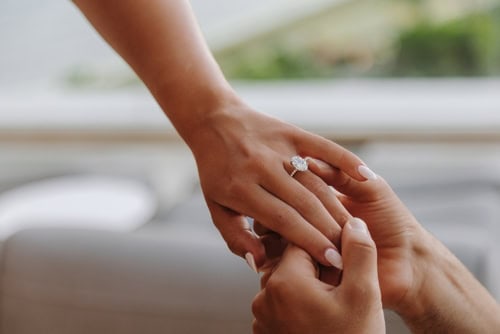
An engagement ring is jewellery that may be worn almost every day for decades, so personal style matters enormously.
Look at the jewellery your partner already wears. Do they usually choose yellow gold, white metals or rose gold? Is their jewellery delicate and understated or bold and contemporary? Do they gravitate towards vintage pieces or clean, modern designs?
Lifestyle matters too.
Someone who works extensively with their hands may prefer a lower-profile setting that is less likely to catch on clothing or equipment. A highly elaborate ring might be perfect for somebody else.
The most successful choice isn’t necessarily the ring that looks most impressive in a display cabinet. It is the one that feels natural on the wearer’s hand.
3. Decide Whether the Ring Really Needs to Be a Surprise
A surprise proposal doesn’t necessarily require a surprise ring.
Plenty of couples discuss engagement rings beforehand, browse together or choose the ring as a couple. Others prefer to keep everything secret.

There is no right approach.
If your partner has strong opinions about jewellery, involving them can considerably reduce the chance of choosing something they wouldn’t have selected themselves.
You can still retain an element of surprise by discussing general preferences beforehand while keeping the final ring, proposal date or location secret.
4. Learn the Basics of Diamond Quality
If you’re considering a diamond engagement ring, you will frequently encounter the four Cs: cut, colour, clarity and carat.
Cut describes how effectively a diamond has been cut and influences how it interacts with light.
Colour refers to the amount of colour visible within a diamond.
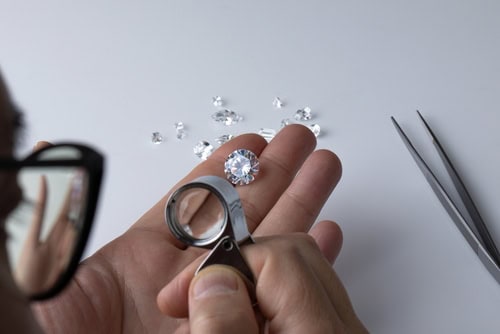
Clarity considers internal and external characteristics within the stone.
Carat measures a diamond’s weight rather than simply describing its physical dimensions.
These characteristics interact with one another, which is why comparing diamonds purely by carat weight can be misleading.
A reputable jeweller should be able to explain these qualities clearly and show you the differences rather than simply directing you towards the largest stone within your budget.
5. Consider Gemstones Other Than Diamonds
Diamonds may be strongly associated with engagement rings, but they aren’t compulsory.
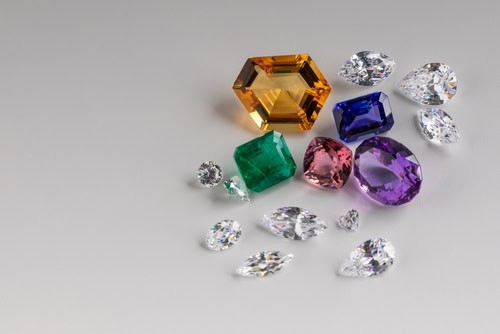
Sapphires, rubies and other gemstones can create distinctive engagement rings and may particularly appeal to somebody who enjoys colour or wants something less traditional.
However, appearance shouldn’t be the only consideration.
An engagement ring is subjected to considerably more everyday wear than jewellery reserved for special occasions, so ask about a gemstone’s durability and suitability for regular wear before choosing it.
A knowledgeable jeweller should also explain any particular cleaning, maintenance or care requirements associated with the stone.
6. Understand Natural and Lab-Grown Diamonds
One of the biggest developments in engagement-ring shopping has been the growing availability of lab-grown diamonds.
A lab-grown diamond is a diamond produced in a controlled environment rather than formed naturally underground. It has essentially the same crystal structure and fundamental physical characteristics as a mined diamond, although its origin and market are different.

For buyers, the decision may involve price, provenance, personal preference and how they feel about the long-term ownership of the stone.
Rather than assuming one option is automatically better, compare like with like and ask the jeweller to explain exactly what you are purchasing, including any grading documentation supplied with the diamond.
7. Choose an Engagement Ring Metal That Suits Your Lifestyle
The metal affects both the appearance and practicality of an engagement ring.
Popular options include yellow gold, white gold, rose gold and platinum. Each creates a different look and has its own characteristics.
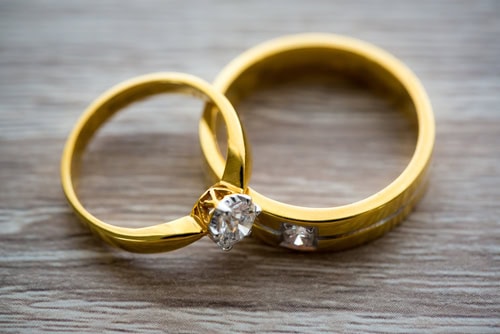
If your partner already wears jewellery regularly, their existing collection provides a useful clue. Someone who almost exclusively wears yellow-gold jewellery may be less enthusiastic about suddenly wearing a white-metal engagement ring every day.
Also ask about maintenance. Some finishes may require periodic professional attention to retain their original appearance.
If allergies or skin sensitivities are a concern, discuss this with the jeweller before buying.
8. Pay Attention to the Setting, Not Just the Stone
It is easy to become preoccupied with choosing the central gemstone and overlook the setting holding it in place.
Yet the setting has a significant influence on how an engagement ring looks and feels.
A solitaire places the emphasis firmly on a single stone, while halo, cluster, three-stone and side-stone designs create very different effects.
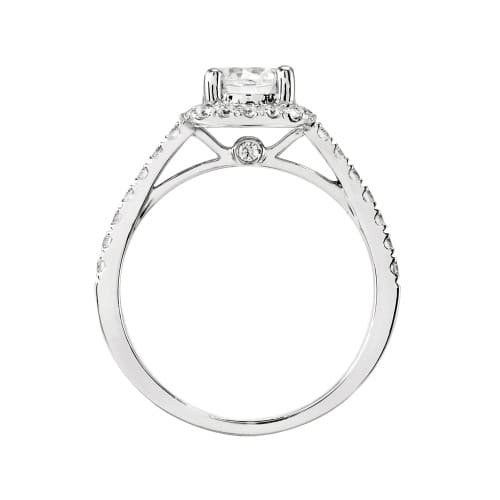
The height of the setting matters as well. Higher settings can create an impressive profile but may be more likely to catch during everyday activities.
Think ahead to a potential wedding band too. Some engagement-ring designs sit neatly beside a straight wedding band, while others may require a shaped or bespoke band.
Considering the two rings together can prevent an unexpected problem later.
9. Get the Ring Size as Close as Possible
Secretly establishing somebody’s ring size can be one of the trickiest parts of planning a surprise proposal.
If your partner already wears a ring on the appropriate finger, a jeweller may be able to use it as a guide. Friends or family members might also know their size.

Avoid relying too heavily on guesswork.
Although many engagement rings can be resized, the amount of adjustment possible depends on the design, metal and construction. Rings with stones around much of the band can be particularly difficult to alter.
Ask about resizing before purchasing rather than assuming it can easily be done afterwards.
If you’re uncertain, a jeweller can explain the safest option for the particular design you’re considering.
10. Ask the Right Questions Before Buying
An engagement ring is a significant purchase, so don’t feel pressured into making an immediate decision.
Before paying, establish exactly what you’re getting.
Ask the jeweller about the gemstone, metal, setting and any grading report or documentation provided. Find out whether resizing is included, what the returns or exchange policy covers and whether the ring comes with a guarantee.

You should also understand what maintenance may be required and whether the jeweller offers inspections, cleaning or repairs.
If you’re buying online, check delivery arrangements carefully, particularly if the proposal is meant to remain a secret.
Keep your receipt and all documentation somewhere secure after purchasing the ring. You may need them for insurance, valuation, servicing or a future sale.
How Should You Care for an Engagement Ring?
Even a ring designed for everyday wear needs looking after.
Regular gentle cleaning can prevent oils, soap and everyday dirt from dulling the appearance of the stone and metal. Follow the care instructions for the specific materials in your ring rather than assuming every piece of jewellery can be cleaned in the same way.
It is sensible to remove an engagement ring before activities that could expose it to knocks, chemicals or excessive pressure.
Check the ring periodically too. If a stone appears loose, a claw looks damaged or the ring suddenly feels different, stop wearing it and have it inspected rather than risking losing the gemstone.
Professional inspections can also help identify wear that isn’t immediately obvious.
Should You Insure an Engagement Ring?
For a valuable engagement ring, insurance is worth considering from the beginning.
Don’t automatically assume an expensive piece of jewellery is fully protected by standard home insurance. Policies can have individual-item limits and different conditions for jewellery worn outside the home.
Check what your existing policy covers and whether the ring needs to be listed separately.
Keep photographs, receipts, certificates and valuations securely stored. Depending on the insurer and value of the ring, an updated valuation may also be required periodically.
How Long Should You Spend Choosing an Engagement Ring?
There is no set timetable.
Giving yourself several weeks rather than several hours provides time to compare designs, understand prices and investigate anything you’re unsure about. Bespoke or customised rings may require considerably longer.
If you’re planning a proposal for a particular date, work backwards and allow time for ordering, delivery and possible resizing.
The important thing is not how long you spend shopping but whether you have enough information to make the decision confidently.
Choosing an Engagement Ring: The Final Checklist
Before buying, make sure you know your approximate budget, preferred ring style, likely ring size, choice of metal and gemstone, and whether your partner wants to be involved.
Then look beyond appearance.
Understand what you’re buying, what documentation accompanies it, whether it can be resized, how it should be maintained and what happens if you need to return or exchange it.
An engagement ring carries plenty of symbolism, but it is also a piece of jewellery intended to survive years of everyday life. Taking a little more time at the beginning can help you choose something that still feels right long after the proposal itself.


