
Understanding Fertility Treatments: A Guide to Assisted Reproduction
Fertility treatment is rarely a matter of choosing a technique from a list. Age, ovarian reserve, sperm quality, previous reproductive history and the possible causes of infertility can all influence the approach recommended by a specialist. Assisted reproductive technology therefore covers different procedures designed for different circumstances, rather than a single treatment suitable for everyone.
For people considering assisted reproduction in Madrid, understanding the basic differences between the available techniques can make the first consultation easier to navigate. Some treatments facilitate fertilisation inside the body, while others involve fertilising eggs in a laboratory before transferring an embryo to the uterus.
What is assisted reproductive technology?
Assisted reproductive technology refers broadly to medical procedures used to help achieve pregnancy when conception is difficult or when personal circumstances make reproductive assistance necessary.

The level of intervention varies considerably. Some techniques work by identifying and supporting the most favourable moment for conception, whereas others involve ovarian stimulation, egg retrieval, laboratory fertilisation and embryo culture. The appropriate route is determined after an individual fertility assessment rather than solely by how long pregnancy has been attempted.
How does artificial insemination work?
Intrauterine insemination, commonly known as artificial insemination, is one of the less complex fertility treatments. Prepared sperm is introduced directly into the uterus around the time of ovulation, shortening the distance sperm must travel to reach the egg.

Depending on the circumstances, sperm from a partner or donor may be used. The treatment can also involve monitoring the menstrual cycle and, when medically appropriate, medication to stimulate ovulation.
Because fertilisation itself still takes place inside the body, artificial insemination differs fundamentally from in vitro fertilisation.
What is in vitro fertilisation?
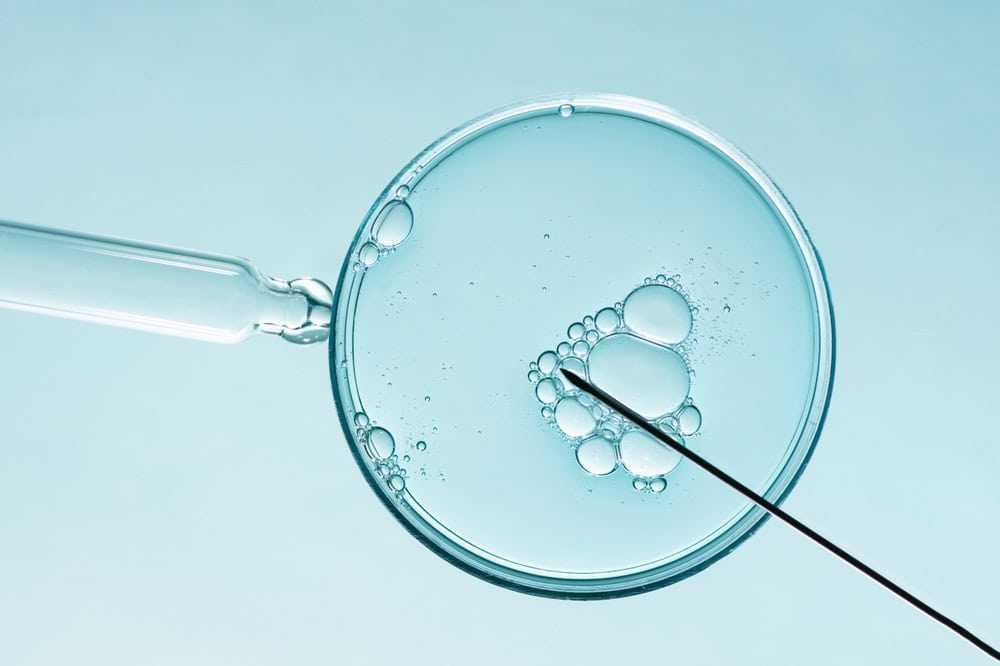
In vitro fertilisation (IVF) involves retrieving eggs from the ovaries and fertilising them in a laboratory. The resulting embryos are monitored during their early development before an embryo is selected for transfer to the uterus.
Treatment usually involves several stages, including ovarian stimulation, ultrasound and hormonal monitoring, egg retrieval, fertilisation, embryo culture and transfer. Additional suitable embryos may sometimes be cryopreserved for possible future use.
IVF may be considered in a variety of circumstances, although the indication and chances of success depend on each person’s reproductive situation and cannot be established from age or diagnosis alone.
What is the difference between conventional IVF and ICSI?
The principal difference lies in the laboratory fertilisation process. With conventional IVF, eggs and prepared sperm are placed together so that fertilisation can occur without directly injecting a sperm cell into the egg.
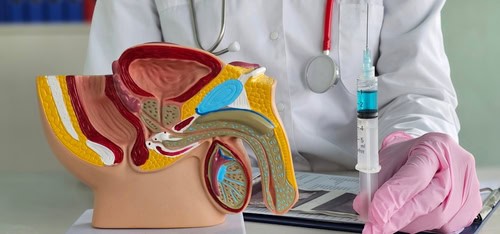
Intracytoplasmic sperm injection (ICSI), by contrast, involves an embryologist selecting a sperm cell and injecting it directly into the egg. It can be considered in particular cases involving sperm-related factors or previous fertilisation difficulties, among other clinical circumstances.
ICSI is not automatically a better version of IVF; it is a specific laboratory technique whose suitability should be assessed individually.
What other techniques can form part of fertility treatment?
Modern reproductive medicine can also involve egg or sperm donation, embryo donation, fertility preservation through the freezing of eggs or sperm, and embryo cryopreservation. Depending on the clinical situation, genetic testing may also be considered within an IVF process.
Choosing between these possibilities requires more than comparing procedures. A fertility specialist needs to consider medical history, reproductive goals and test results before proposing a treatment plan. The most appropriate assisted reproductive technique is ultimately the one that responds to the circumstances of the individual or couple, with realistic information about the process, its limitations and the expected outcomes.


