

Could Your Diet Be Causing Your Headaches? 5 Common Foods to Watch
If you regularly suffer from headaches or migraines, your diet could be playing a bigger role than you realise.
While dehydration, stress, lack of sleep and hormonal changes are among the most common headache triggers, certain foods and drinks may also contribute to symptoms in some people. The challenge is that triggers are highly individual – what causes a headache for one person may have no effect on someone else.
Rather than cutting out entire food groups unnecessarily, experts often recommend identifying patterns and discussing persistent headaches with a healthcare professional if they become frequent or severe.
Here are some of the foods and drinks most commonly associated with headaches and migraines.
1. Alcohol
Alcohol is one of the best-known dietary headache triggers.
It can contribute to headaches in several ways, including dehydration, changes in blood vessels and disrupted sleep. Some people also find that certain alcoholic drinks trigger migraines more consistently than others.

Red wine is frequently reported as a trigger, although white wine, sparkling wine and spirits may also affect susceptible individuals.
If you regularly experience headaches after drinking alcohol, keeping a symptom diary may help identify whether particular drinks are responsible.
2. Artificial Sweeteners
Sugar-free products have become increasingly popular, but some people report headaches after consuming artificial sweeteners.

Ingredients such as aspartame have been investigated as possible migraine triggers, although research findings remain mixed and not everyone is affected.
Artificial sweeteners are commonly found in:
- Diet soft drinks
- Sugar-free chewing gum
- Low-calorie desserts
- Protein products
- Flavoured yoghurts
If you suspect a link, reducing your intake for several weeks may help determine whether symptoms improve.
3. Aged Cheese and Tyramine-Rich Foods
Some foods naturally contain high levels of tyramine, a compound formed as foods age or ferment.
Although tyramine does not trigger headaches in everyone, some migraine sufferers appear to be particularly sensitive to it.
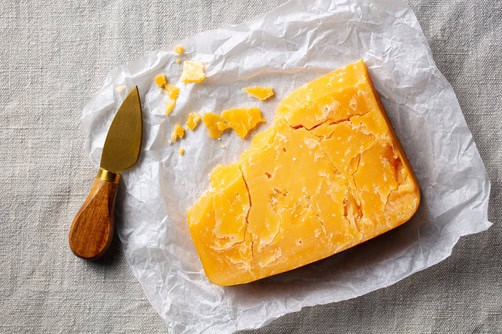
Foods high in tyramine include:
- Mature cheddar
- Blue cheese
- Parmesan
- Salami
- Pepperoni
- Cured meats
- Fermented vegetables
- Some smoked foods
Rather than avoiding these foods permanently, it may be more useful to identify whether they consistently trigger symptoms for you.
4. Caffeine
Caffeine has a surprisingly complicated relationship with headaches.
For some people, a cup of coffee can actually relieve headache symptoms and is included in certain pain-relief medications.

However, consuming too much caffeine — or suddenly stopping your usual intake — can trigger headaches in susceptible individuals.
Sources of caffeine include:
- Coffee
- Black tea
- Green tea
- Energy drinks
- Cola
- Chocolate
Maintaining a fairly consistent daily caffeine intake may help reduce withdrawal headaches.
5. Chocolate
Chocolate is often blamed for triggering migraines, but research has produced mixed results.
Some experts believe chocolate itself may not always be the culprit. Instead, many people crave chocolate during the early stages of a migraine, making it appear to be the cause rather than the result of the attack.

Stress, hormonal changes and poor sleep may also explain why chocolate seems linked with headaches in some people.
Unless you notice a consistent pattern, there may be no need to eliminate chocolate from your diet completely.
Other Foods That May Trigger Headaches
Some people also report headaches after eating:
- Citrus fruits
- Very ripe bananas
- Avocados
- Processed meats
- Ice cream or very cold foods
- Shellfish
- Meat extracts and stock concentrates
These foods are not recognised triggers for everyone, but they may contribute to symptoms in sensitive individuals.
How to Identify Your Personal Headache Triggers
Because headache triggers vary so widely, many healthcare professionals recommend keeping a headache diary.
Record:
- What you ate and drank
- When symptoms started
- Stress levels
- Sleep quality
- Menstrual cycle (where applicable)
- Physical activity
- Medication
After several weeks, patterns often begin to emerge that can help identify your own triggers more accurately than relying on general lists.
Should You Cut Out Trigger Foods Completely?
Not necessarily.
Unless advised by a healthcare professional, avoiding large numbers of foods can make it difficult to maintain a balanced diet.
Instead, experts generally recommend eliminating only those foods that repeatedly appear to trigger headaches before gradually reintroducing them to confirm the connection.
When Should You See a Doctor?
Occasional headaches are common, but medical advice should be sought if headaches:
- Become more frequent or severe.
- Change suddenly in pattern.
- Do not respond to usual treatment.
- Occur alongside confusion, weakness, vision changes or difficulty speaking.
- Develop after a head injury.
Persistent or worsening headaches should always be assessed by a healthcare professional to rule out underlying medical conditions.
The Bottom Line
There is no single “headache diet” that works for everyone. While alcohol, caffeine, aged cheeses, processed meats and certain artificial sweeteners are commonly reported triggers, every person responds differently.
Learning your own triggers through careful observation is often far more effective than following a long list of foods to avoid. Combined with good hydration, regular meals, quality sleep and stress management, understanding the role of diet may help reduce the frequency of headaches over time.
This article has been independently rewritten for Opulence Magazine using information originally provided by medical experts. It is intended for general information only and should not replace professional medical advice, diagnosis or treatment.


