

Could Your Garden Be Worth Thousands? 5 Things Your Insurance May Not Protect
For many of us, the most valuable things at home aren’t necessarily inside it.
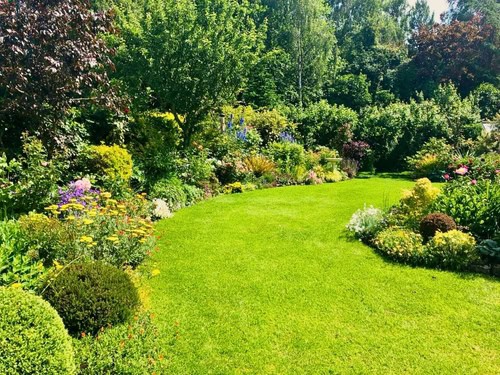
Step into a well-established garden and the amount invested over the years can be considerable. Mature trees, decades-old climbers, statement planters, outdoor kitchens, specialist pond equipment and even collections of garden ornaments can collectively represent thousands of pounds.
Yet while we tend to know whether the television, jewellery or furniture is insured, what happens beyond the back door can be considerably less clear.
Garden cover is often included within home insurance, but that doesn’t necessarily mean everything outside is protected against everything that could happen to it. What is covered, how an item is classified and the maximum an insurer will pay can all vary between policies.
And some of the things homeowners assume are insured may have surprisingly limited protection.
Your Most Valuable Garden Asset Might Be Growing
A mature garden is difficult to put a price on.
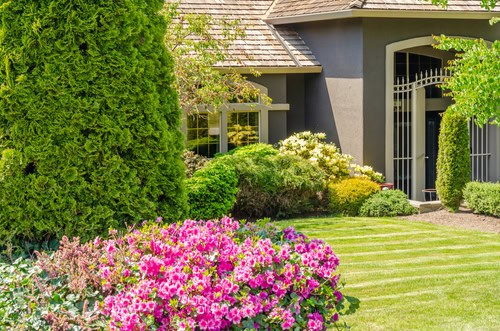
Buy a young tree or wisteria and the initial cost might be relatively modest. Spend years nurturing it into an impressive specimen and replacing what you’ve lost isn’t quite so straightforward.
Large established plants can cost hundreds or even thousands of pounds to replace – and that’s before considering transportation, professional planting and the fact that a newly planted specimen can’t instantly recreate decades of growth.
Insurance becomes complicated because plants aren’t necessarily treated in the same way.
Trees and shrubs growing in the ground may fall within landscaping or garden cover, while plants growing in pots can potentially be treated as garden contents or movable possessions. Some policies may provide little or no protection for plants at all.
Even when plants are included, insurers generally cover specified events rather than simply replacing something because it has died.
That distinction becomes particularly important during periods of extreme heat, drought or severe weather.
Don’t Assume Weather Damage Means You’re Covered
It’s tempting to think that if the weather caused the damage, home insurance should pay for it.
Unfortunately, it isn’t that simple.
Insurance is generally designed to protect against particular unexpected events set out within the policy. Gradual deterioration, poor maintenance and wear and tear are commonly excluded.
That means a valuable plant dying during prolonged hot weather isn’t automatically an insurance claim. Similarly, outdoor possessions deteriorating after years of exposure to the elements are unlikely to be treated in the same way as something stolen or suddenly damaged by an insured event.
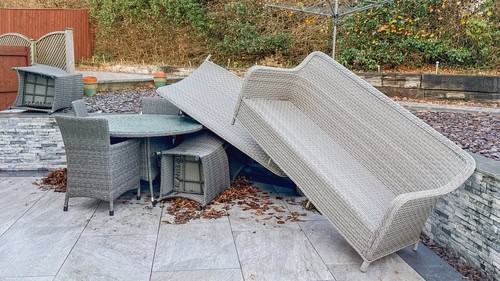
The wording of individual policies matters enormously.
Ian Wilson, Managing Director and home insurance expert at Tiger.co.uk, says homeowners should look beyond simply checking whether their policy includes “garden cover”.
“Garden cover can be a confusing topic. Insurance providers differ on what they cover and how, so it can be a challenge for homeowners to get the protection they need.”
The question isn’t simply “Is my garden insured?” but “Which things in my garden are insured, against what, and for how much?”
And that can produce some unexpected answers.
1. Mature Trees, Shrubs and Expensive Plants
If you’ve invested heavily in landscaping, this is probably the first area worth investigating.
Cover for trees, shrubs and other plants varies significantly between insurance policies and can depend on both where the plant is kept and what caused the damage.
An established plant growing in the ground may be treated differently from an expensive specimen in a movable container. Even where plants are covered, individual item or total garden limits could mean the full replacement cost isn’t recoverable.
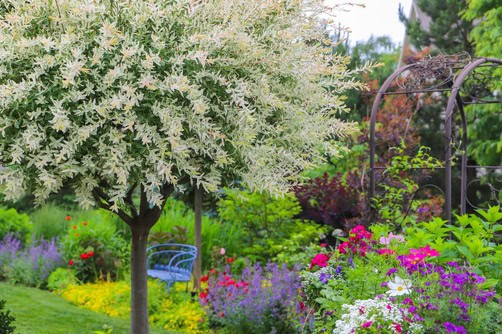
It’s particularly worth checking if you own mature specimen trees, established climbers or unusual plants that would be expensive to replace at a comparable size.
Make a photographic record of particularly valuable plants and keep receipts or other evidence of their purchase where available.
For an older specimen where you genuinely believe the replacement value is substantial, ask your insurer how it would be treated before you ever need to make a claim.
2. Your Gates and Fences
A beautiful set of gates can be a significant investment, while replacing fencing around a large property can quickly become expensive.
They’re also permanently exposed to the weather.
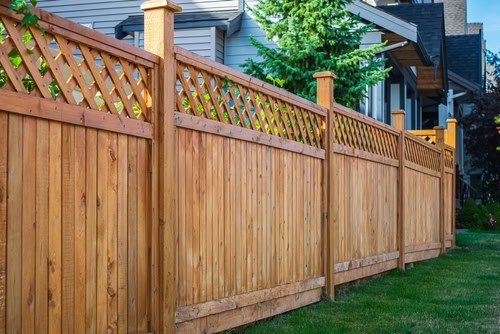
Whether damage is insured usually depends on how it happened. A gate damaged in a collision or through malicious damage might be treated differently from a fence that deteriorates through age or maintenance problems.
Storm and wind damage to fencing is another area where assumptions can prove expensive, as exclusions can apply.
If you’ve installed bespoke gates or particularly expensive boundary features, don’t simply assume the buildings section of your home insurance automatically provides adequate protection.
Check.
3. Koi and Their Pond
A serious koi pond is worlds away from throwing a few goldfish into a garden water feature.
Individual koi can become remarkably valuable, while pumps, filters, UV systems and other specialist equipment add considerably to the overall investment.
But the fish themselves and the equipment that keeps their environment healthy aren’t necessarily treated in the same way by an insurer.

A conventional pet policy may not provide the protection a koi owner expects, while some pond equipment could potentially fall within garden contents depending on the policy and circumstances of a claim.
For anyone with valuable fish, specialist insurance may be worth investigating rather than assuming standard home or pet cover will suffice.
It’s also sensible to maintain an inventory and photographs of particularly valuable fish and equipment.
4. The BBQ – Especially If You’ve Gone Beyond the Basic Grill
The humble barbecue has undergone quite the transformation.
A £50 charcoal grill is one thing. A premium gas barbecue, ceramic grill, smoker or complete outdoor cooking station costing several thousand pounds is something else entirely.
Some home insurance policies may cover BBQ equipment against events such as theft or accidental fire, but limits can apply to possessions kept outside.
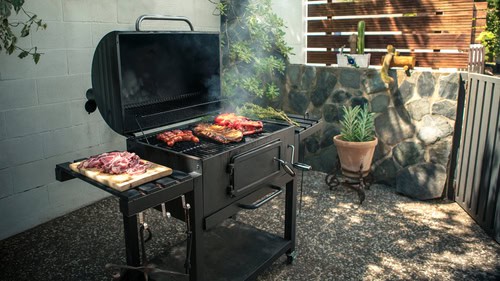
That becomes increasingly relevant as our gardens evolve into outdoor living spaces filled with the sort of equipment we once kept exclusively indoors.
If you’ve invested heavily in an outdoor kitchen, don’t treat the entire installation as one vague “garden item”. Find out how the insurer classifies fixed cabinetry, appliances, freestanding cooking equipment and accessories and whether any individual item exceeds the relevant policy limit.
Security matters too. Insurers may impose conditions around theft claims, particularly for valuable movable items kept outside.
5. Yes, Even the Garden Gnomes
Before dismissing this one, consider what constitutes a garden ornament in 2026.
We’re not necessarily talking about a £10 gnome from the garden centre.
Antique statuary, collectible ornaments, sculptures and pieces by recognised makers can be surprisingly valuable. Even apparently ordinary vintage garden pieces can become collectable.

The fact that something permanently lives outdoors doesn’t guarantee that it’s comprehensively covered.
Garden contents may have separate limits from possessions inside the home, while accidental damage and vandalism won’t necessarily be included unless your policy provides the appropriate cover.
If you’ve spent serious money on sculpture or collectable garden pieces, treating them as generic ornaments could be a mistake. Ask whether they need to be declared separately.
How Much Garden Cover Do You Actually Have?
Rather than waiting until something disappears, breaks or dies, take ten minutes to look at your home insurance documents.
You’re looking for several things.
First, establish whether garden contents are covered at all and find the overall claim limit.
Next, check whether there’s a maximum payout for any single item. A policy providing thousands of pounds of garden cover isn’t necessarily much use for a £3,000 barbecue if the individual item limit is considerably lower.
Then look at the events you’re actually insured against. Theft, fire, accidental damage, storm damage and vandalism can all be treated differently.
Finally, look for exclusions concerning plants, fences, gates, ponds, livestock or animals, weather damage, wear and tear and possessions left outdoors.
If anything is unclear, ask the insurer rather than making an assumption.
Should Expensive Garden Items Be Specified on Your Insurance?
Potentially.
Wilson says particularly valuable garden possessions may need additional attention:
“It may be that some luxuries or expensive plants need added as a specified item if they are valued over a thousand pounds or need to have specialist cover added to the policy.”
The precise threshold and terminology will depend on the insurer, so £1,000 shouldn’t be treated as a universal rule.
The broader principle is useful, though: if you’d be seriously upset by the cost of replacing something, check exactly how it is insured.
That applies just as readily to a £4,000 outdoor kitchen as it does to a valuable sculpture or carefully nurtured specimen tree.
Create a Garden Inventory
We routinely photograph or keep receipts for expensive possessions inside the house, but gardens rarely receive the same treatment.
Creating a basic garden inventory can make sense, particularly after investing in landscaping or outdoor entertaining.
Photograph expensive items and established plants. Keep invoices for large purchases. Record makes, models and serial numbers for equipment where applicable. If you own artwork, antiques, collectables or unusually valuable specimens, retain any valuations or provenance you have.
It’s also worth updating the inventory occasionally as the garden develops.
You might be surprised by how much value has gradually accumulated outside.
Insurance Doesn’t Replace Good Garden Maintenance
There is another important distinction to make.
Home insurance isn’t a garden maintenance policy.
If fencing collapses because it has been rotting for years, a plant dies because it hasn’t been watered or outdoor equipment fails through deterioration, an insurer is unlikely to view that in the same way as a sudden insured event.
Keeping trees appropriately maintained, securing movable valuables, protecting outdoor equipment and looking after boundaries therefore matters regardless of your insurance.
Extreme weather makes that increasingly relevant. Heat, prolonged dry spells, heavy rainfall, frost and strong winds can all put gardens under pressure, but the existence of extreme weather doesn’t automatically make resulting damage insurable.
Your Garden Deserves the Same Financial Attention as Your Home
For homeowners who have spent years creating a beautiful outdoor space, the garden isn’t an afterthought. It can be one of the most expensive and personally important parts of the property.
The mistake is assuming that because it’s within your boundary, everything in it must fall neatly under your home insurance.
It may not.

Plants can be treated differently according to where they’re growing. Outdoor possessions can have specific limits. Fences may have weather exclusions. Valuable koi can require specialist consideration. And your collection of supposedly harmless garden gnomes could turn out to be worth rather more than you thought.
So next time you renew your home insurance, take a walk around the garden before accepting the quote.
Look at what you’ve actually accumulated – and ask yourself what it would cost to put it all back.
You may discover the contents beyond your back door deserve considerably more attention than you’ve been giving them.
Original source material and expert commentary supplied by Tiger.co.uk
Explore more with Opulence, your luxury magazine in the UK for design, travel and sophisticated living.


