
7 Lucky Houseplants That Could Bring Positive Energy Into Your Home
Whether you believe in Feng Shui or simply enjoy filling your home with greenery, certain houseplants have earned a reputation for symbolising luck, prosperity and positive energy.
Across many cultures, indoor plants are thought to do more than brighten a room. From attracting wealth to encouraging harmony and protecting against negative energy, these so-called lucky houseplants have been treasured for generations.
While there is no scientific evidence that any plant can change your fortune, many people enjoy incorporating these traditional symbols into their homes as part of a mindful, calming living space.
Here are seven of the most popular lucky houseplants and the meanings traditionally associated with them.
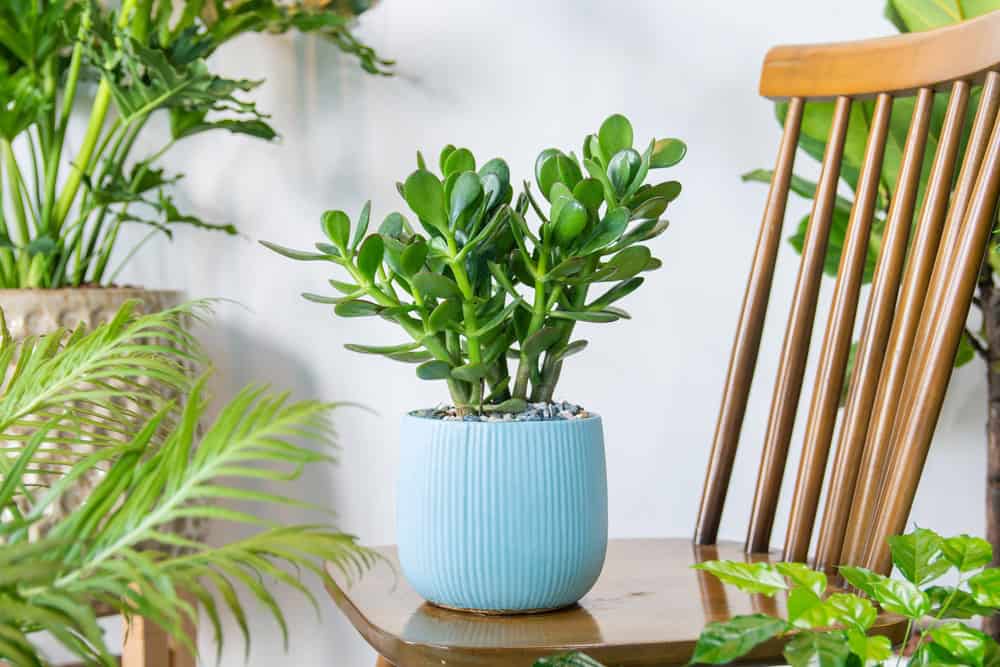
1. Jade Plant (Crassula ovata)
Often referred to as the “money plant”, the Jade Plant is one of the best-known symbols of prosperity. Its thick, rounded leaves resemble small coins, making it a favourite in homes and businesses hoping to encourage financial success.
According to Feng Shui traditions, placing a Jade Plant near the entrance or in the southeast area of the home is believed to attract abundance.

Beyond symbolism, Jade Plants are incredibly easy to care for. They tolerate dry conditions well and only need occasional watering, making them ideal for beginners.
2. Money Tree (Pachira aquatica)
The Money Tree is perhaps the world’s most famous lucky houseplant.
Its distinctive braided trunk is traditionally said to represent harmony between the five Feng Shui elements, while its clusters of leaves symbolise prosperity and balance.

Whether or not you believe the folklore, it’s an attractive indoor tree that thrives in bright, indirect light and can become an impressive statement plant.
3. Chinese Money Plant (Pilea peperomioides)
Recognisable by its perfectly round leaves, the Chinese Money Plant has become one of the UK’s most popular houseplants.
It’s commonly associated with financial growth, generosity and friendship, partly because the plant produces baby offshoots that are easily shared with family and friends.

Its compact size also makes it ideal for desks, shelves and smaller living spaces.
4. Peace Lily (Spathiphyllum)
The Peace Lily has long symbolised tranquillity, harmony and emotional wellbeing.
Within Feng Shui it is often associated with cleansing negative energy and creating a calmer atmosphere inside the home.

As an added bonus, its elegant white flowers and glossy green leaves make it one of the most attractive flowering houseplants available.
5. Snake Plant (Dracaena trifasciata)
Known for its upright, architectural leaves, the Snake Plant is traditionally believed to provide protection by deflecting negative energy.

Its hardy nature has also made it a favourite among busy homeowners. It tolerates lower light levels, survives periods without watering and requires very little maintenance.
6. Lemon Tree (Citrus limon)
If you have a bright conservatory or sunny indoor space, a dwarf Lemon Tree can add both fragrance and symbolism.

Citrus trees have long represented abundance, vitality and good health, while their fruit is often associated with prosperity and renewal.
Growing your own lemons is also a rewarding way to bring a little Mediterranean charm indoors.
7. String of Hearts (Ceropegia woodii)
With its delicate cascading vines and heart-shaped leaves, the String of Hearts is often associated with love, connection and lasting relationships.

Its graceful appearance makes it particularly popular in bedrooms and living rooms where its trailing stems can be displayed in hanging planters or on high shelves.
Like many succulents, it prefers bright, indirect light and only occasional watering.
Where Should You Place Lucky Houseplants?
Traditional Feng Shui suggests that placement is almost as important as the plant itself.
Popular locations include:
- Southeast: Wealth and prosperity.
- Entrance hall: Welcoming positive energy into the home.
- Living room: Encouraging harmony and family wellbeing.
- Home office: Supporting focus, growth and career success.
- Bedroom: Promoting calm and relaxation with suitable plants such as Peace Lilies or String of Hearts.
Of course, the best position is also one that provides the correct light and growing conditions for each individual plant.
Can Houseplants Really Bring Good Luck?
There is no scientific evidence that any plant can influence luck, wealth or success.
However, many cultures have long associated certain plants with positive symbolism, and surrounding yourself with healthy greenery can contribute to a more relaxing, attractive home environment. Looking after plants can also encourage mindfulness, reduce stress and create a stronger connection with nature.
Whether you’re embracing Feng Shui traditions or simply searching for beautiful, easy-care indoor plants, these lucky houseplants remain timeless favourites that can brighten both your home and your mood.
This article has been independently rewritten for Opulence Magazine using information originally provided by plant experts. Traditional Feng Shui beliefs are cultural practices and should not be interpreted as scientifically proven methods of attracting luck or prosperity.


