
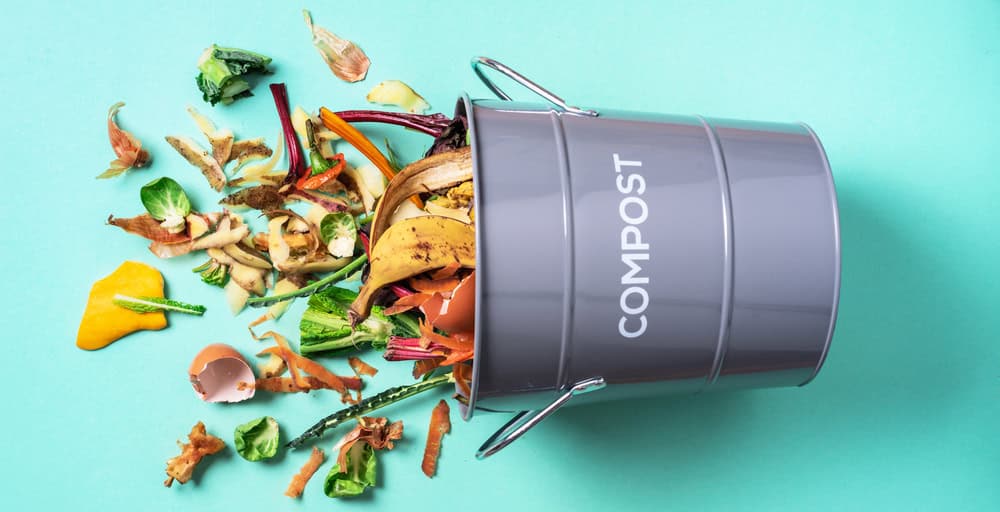
8 Surprising Compost Boosters Every Gardener Should Be Using
For many gardeners, summer is all about vibrant blooms, thriving vegetable patches and making the most of outdoor spaces. But while most of us focus on what we’re feeding our plants, fewer think about what we’re feeding the compost that nourishes them.
The truth is that great compost doesn’t happen by accident. Behind every healthy compost heap is a careful balance of ingredients that encourage beneficial microbes, improve soil structure and create a nutrient-rich environment for plants to flourish.
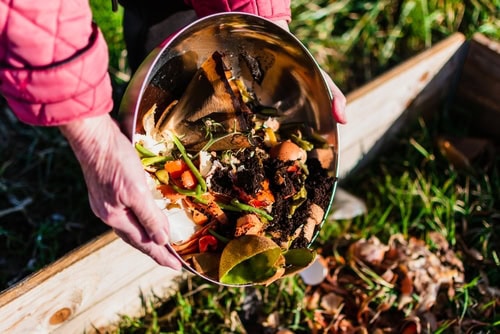
And some of the most valuable compost boosters might already be sitting in your kitchen bin.
From your morning coffee to leftover banana skins, everyday household waste can play a surprisingly important role in creating rich, crumbly compost that gardeners dream of spreading across their borders and vegetable beds.
Why Compost Quality Matters
A healthy compost heap is often referred to as a gardener’s secret weapon.
Good compost improves soil structure, helps retain moisture during dry weather and provides a steady supply of nutrients that support stronger, healthier plants. It can also reduce household waste, making it one of the simplest sustainable gardening habits to adopt.
However, not all compost heaps are created equal.
To break down efficiently, compost requires the right balance of “green” materials, which are rich in nitrogen, and “brown” materials, which provide carbon and structure. Without that balance, compost can become too wet, too dry or simply stop decomposing altogether.
1. Coffee Grounds
Before throwing away your used coffee grounds, consider sending them to the compost heap instead.

Rich in nitrogen, coffee grounds help fuel the microorganisms responsible for breaking down organic matter. They can also help generate heat within the pile, encouraging faster decomposition.
For coffee-loving households, it’s one of the easiest compost upgrades available.
2. Banana Skins
Banana peels are packed with nutrients that plants love, particularly potassium and calcium.
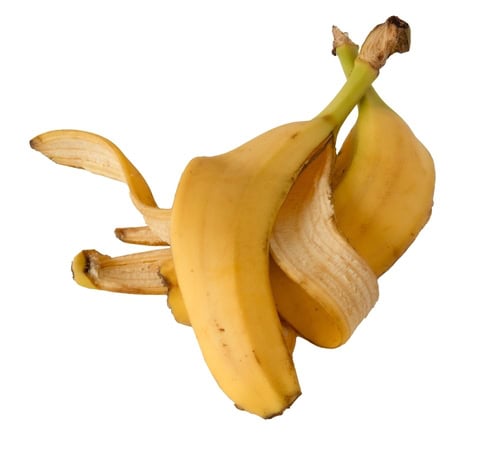
When added to compost, they break down relatively quickly and contribute valuable minerals that eventually help nourish flowers, fruit and vegetables.
3. Crushed Eggshells
Eggshells may seem insignificant, but they can make a useful contribution to a healthy compost pile.
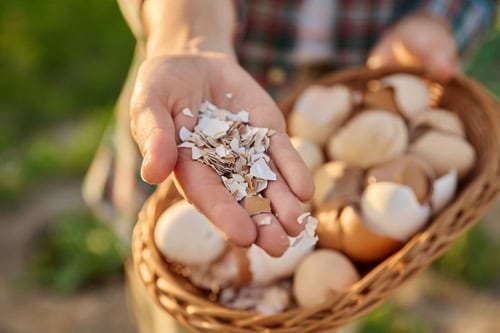
Rich in calcium, finely crushed shells help add minerals to the finished compost while also helping to moderate acidity levels within the mix.
The finer they’re crushed, the faster they’ll break down.
4. Grass Clippings
Freshly cut grass is one of the most powerful compost activators available.
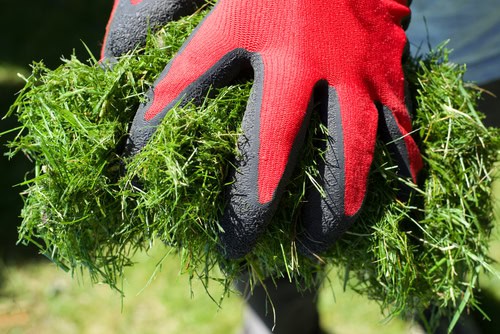
Because it’s high in nitrogen, grass clippings can quickly raise temperatures inside the heap and accelerate decomposition. The key is moderation. Too much grass without enough dry material can create a dense, soggy mass that struggles to break down properly.
5. Wood Ash
If you enjoy evenings around a fire pit or use a wood-burning stove, don’t be too quick to dispose of the ash.
Small amounts of untreated wood ash can add valuable nutrients, including calcium, potassium and magnesium. However, a little goes a long way, and excessive quantities can upset the balance of your compost.
6. Seaweed
Coastal gardeners have long recognised the benefits of seaweed.
Naturally rich in trace minerals, seaweed can enhance the nutrient profile of compost while supporting healthier soil structure. It also breaks down surprisingly well when mixed with other organic materials.
7. Cardboard
Not every compost ingredient comes from the kitchen.
Plain brown cardboard can provide the carbon-rich balance that compost heaps need. Shredded cardboard helps improve airflow, prevents compaction and absorbs excess moisture.
Just make sure any plastic tape or glossy coatings are removed first.
8. Dry Leaves
Autumn may seem a long way off, but if you’ve stored dry leaves from last year, now is the perfect time to put them to use.
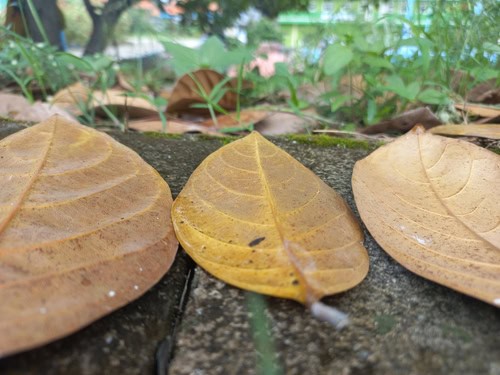
Leaves are one of the best sources of carbon for compost. They help create structure within the heap while preventing it from becoming overly wet during periods of heavy rainfall.
The Secret to Better Compost
Many gardeners search for expensive feeds and fertilisers when the answer could be much simpler.
The most effective compost heaps are usually those built from a variety of natural materials that work together to create the ideal environment for decomposition.
When the balance is right, the result is a dark, crumbly compost with a rich earthy smell — often regarded as gardening gold.
And best of all, many of the ingredients needed to create it are already waiting in your kitchen, garden shed or recycling bin.
Original information and expert commentary provided by Chris Bonnett of GardeningExpress.co.uk.
Opulence Magazine – the luxury magazine UK readers turn to for curated style, travel and fine living.


