
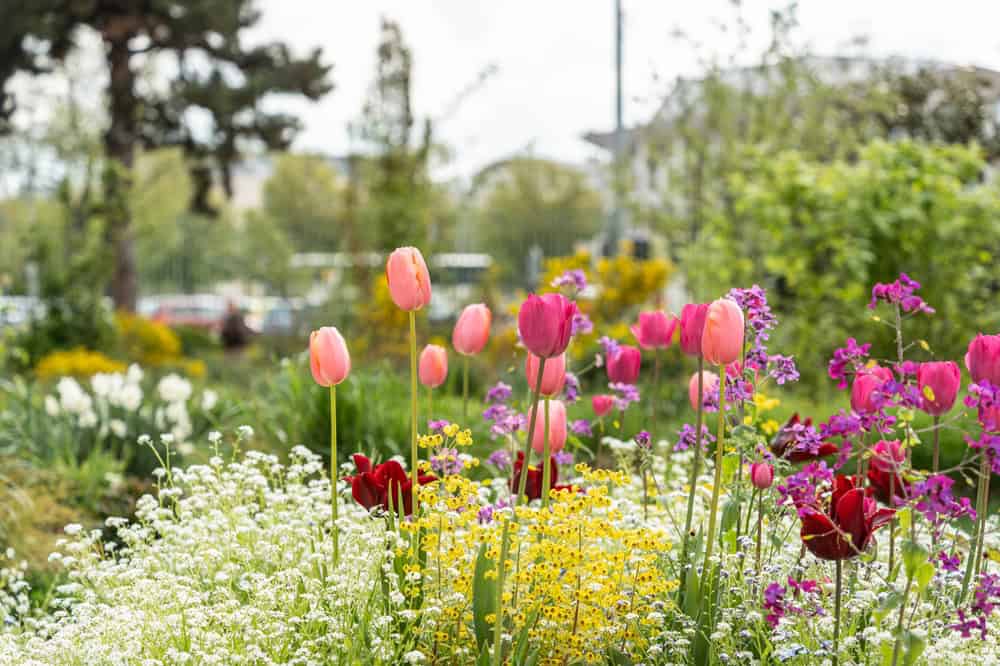
How to Refresh Your Garden for Spring: Simple Expert Tips
There’s a certain moment each year—just as the first blooms appear and the air begins to soften—when your garden quietly asks for attention. After months of cold, damp weather, it’s ready to wake up again. And with a few simple changes, it can be transformed into something far more vibrant, functional, and full of life.
Spring isn’t about starting from scratch. It’s about working with what you already have—and elevating it.
Start With a Clean Slate (But Not Too Clean)
The instinct to tidy everything away after winter is understandable, but a more considered approach will serve your garden better.
Clearing fallen leaves, trimming back dead stems, and refreshing beds is essential—but leaving small pockets of natural debris beneath hedges or shrubs can actually support wildlife and improve soil health as it breaks down.
Think of it less as a deep clean, and more as a reset with purpose.
Build Better Soil, Build a Better Garden
As temperatures rise, your soil becomes the foundation for everything that follows. Investing time here pays off throughout the entire season.
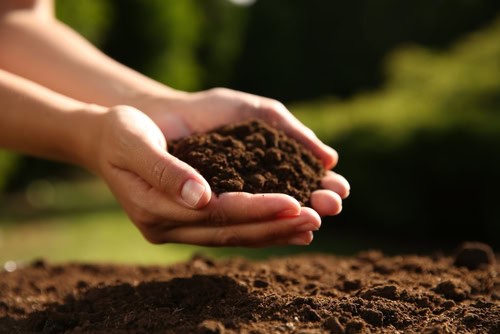
Adding compost or well-rotted manure helps improve structure, drainage, and nutrient levels. And if you don’t already have a compost system in place, spring is the perfect time to start one.
A simple mix of kitchen scraps—fruit and vegetable peelings, coffee grounds—and garden waste like leaves and grass clippings creates a rich, natural fertiliser over time. Just avoid anything processed, dairy-based, or contaminated.
It’s one of the easiest ways to garden more sustainably, while also improving results.
Choose Plants That Give Something Back
Spring planting is where creativity meets intention. Beyond colour and aesthetics, it’s worth thinking about what your garden can offer to the wider environment.

Pollinator-friendly plants like lavender, foxgloves, and primroses not only bring softness and movement to a space, but also provide vital food sources for bees and other insects emerging after winter.
At the same time, hardy annuals such as calendula and nigella offer easy wins—low maintenance, high impact, and perfect for early sowing.
Rethink How You Water
It’s not just what you plant—it’s how you care for it.
Rather than frequent, shallow watering, a deeper, less frequent approach encourages roots to grow stronger and more resilient. This becomes particularly important as the weather warms.
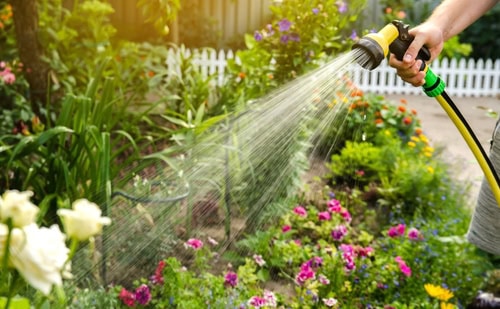
Adding mulch—whether bark, compost, or wood chippings—helps retain moisture, regulate temperature, and reduce weeds. It’s a small detail that makes a noticeable difference.
Turn Your Garden Into a Source of Food
There’s something undeniably satisfying about stepping outside and picking ingredients you’ve grown yourself.
Spring is the ideal time to begin. Salad leaves, herbs, and even strawberries thrive in pots or raised beds, making them accessible even if you don’t have a large garden.
For smaller spaces, vertical gardening offers a smart, stylish solution. Wall-mounted planters can support everything from leafy greens to herbs and peppers—turning even a balcony into a productive, visually appealing space.
Make Space for Wildlife
A truly considered garden doesn’t just look good—it supports life.
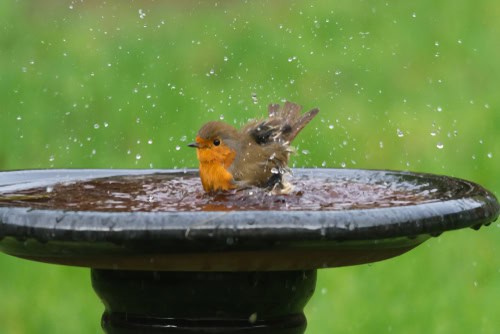
As wildlife re-emerges in spring, simple additions can make a significant difference. A shallow water dish for birds, a small log pile for insects, or even a DIY bug hotel can help create a balanced ecosystem right outside your door.
Natural pest control methods, such as companion planting, reduce the need for chemicals while encouraging beneficial insects to keep things in check.
It’s a quieter, more sustainable way of gardening—and one that feels increasingly relevant.
A Garden That Works With the Season
Spring gardening isn’t about perfection. It’s about momentum.
With a few thoughtful changes—improving your soil, choosing the right plants, and working with nature rather than against it—you can create a space that feels alive again.
Not just for now, but for the months ahead.
Because when a garden is approached with intention, it becomes more than just an outdoor space. It becomes somewhere you actually want to spend time.
Advice provided by Danielle Simpson, Sales Director at Pye Homes.
Looking for a luxury magazine UK readers love? Explore more stories at Opulence Magazine.


