
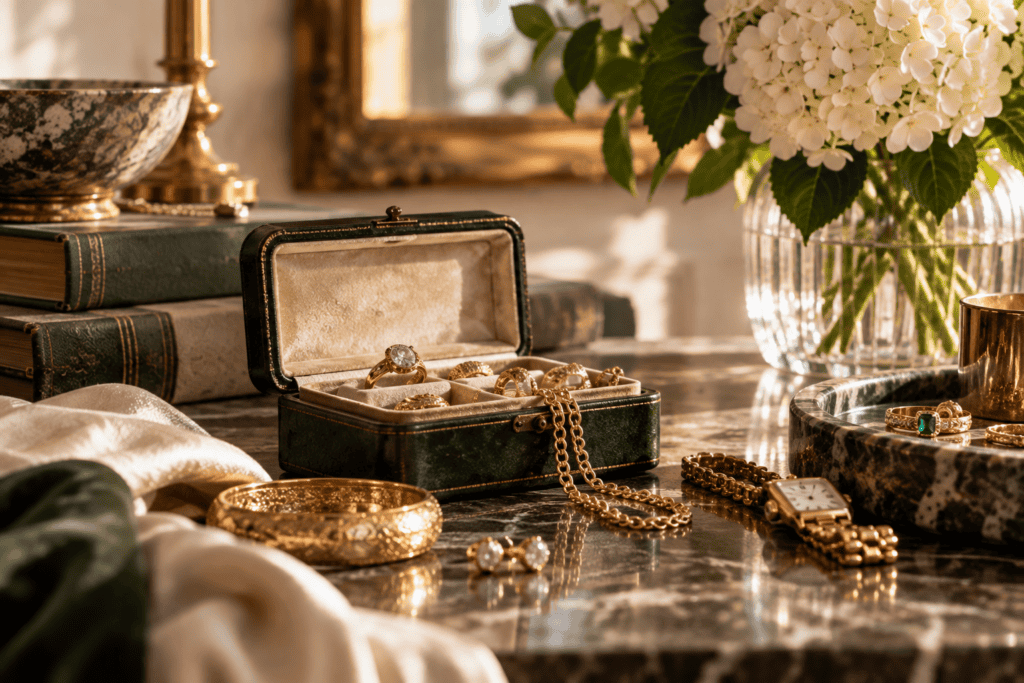
Sustainable Jewellery and the New Meaning of Conscious Luxury
Our relationship with the things we own is quietly changing. That old ‘buy, use, toss’ way of thinking is giving way to a more mindful, circular approach, especially for items we really treasure. Jewellery, often full of memories and history, is leading this charge, asking us to look past its sparkle and consider its whole journey. Being sustainable doesn’t mean giving up luxury; it just means we’re redefining what luxury means for today’s conscious world.
The Evolution of Jewellery Ownership
For ages, jewellery has been a symbol of status, love, and memories. Think of a string of pearls from your grandma or a watch marking a big milestone – these pieces hold huge personal value. While that emotional connection is as strong as ever, our view on owning things has gotten broader. Nowadays, we’re much more curious about the story behind our treasures. Where did the materials come from? Who actually made this? What kind of impact did it have on the environment?

This shift has turned jewellery from a passive heirloom, just sitting unworn in a box, into an active part of who we are. Jewellery can also be viewed as one of many luxury goods that combine personal appeal with lasting material value. We’re now more likely to invest in pieces from brands that are open about their supply chains, choosing recycled metals and ethically sourced gemstones. Owning something isn’t just about having it; it’s about being a good steward and making choices that match our values.
Giving New Life to Old Gold
Lots of us have inherited pieces or items that just don’t fit our style anymore. Maybe there’s a tangled chain, a single earring, or a ring from a past chapter of your life tucked away, gathering dust. Instead of letting these treasures sit forgotten, you can give them a new lease on life. This can be one practical part of a more circular approach to consumption: finding worth in what you’ve already got.
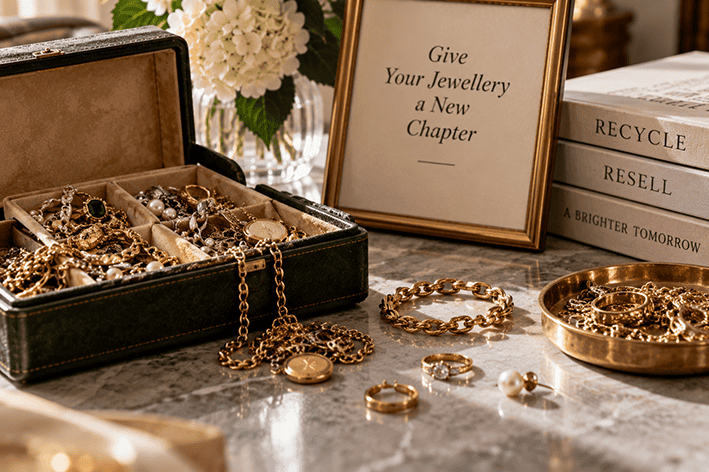
One of the easiest ways to join this cycle is to sell old gold jewellery that you no longer wear. This can turn an unwanted piece into cash while allowing its precious metal to be recovered and potentially reused. Recycling existing gold can help keep valuable materials in circulation and reduce reliance on newly extracted resources. The gold from an unworn bracelet, for example, could eventually become part of another piece, continuing its journey in a different form. It’s a practical and impactful way to tidy up your collection and help build a more circular economy.
Sustainable Practices for Valuables
Beyond just buying or selling, a sustainable mindset also covers how we look after and pick our jewellery. Often, the most sustainable piece is one you already own or one that’s pre-loved. When you do buy new items, it’s worth exploring the growing world of ethical jewellers. A helpful guide to sustainable jewellery can guide you through certifications for recycled metals and conflict-free gems, so you can make choices you feel good about.
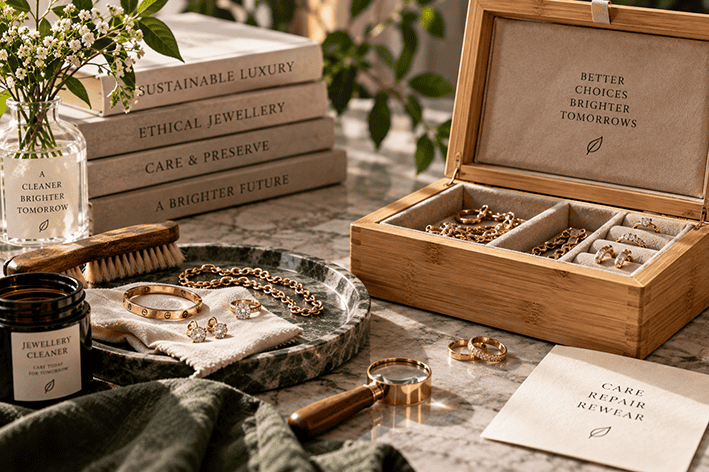
Care and maintenance are super important too. Regular cleaning, proper storage, and timely repairs can really stretch out the life of your favourite pieces, making sure you can enjoy them for decades. Even the box your jewellery lives in can be part of this eco-friendly approach. The emerging sustainable jewellery box revolution shows how materials like bamboo, reclaimed wood, and recycled fabrics are replacing traditional packaging, giving you a truly green experience from the moment you open it.
The Circular Economy of Luxury
The idea of a circular economy, where resources stay in use for as long as possible, fits perfectly with the world of luxury. High-quality materials like gold, platinum, and diamonds are naturally durable and hold their value, making them ideal for recycling and reuse. This model challenges that old notion that ‘new’ is always best.
In this new way of thinking, vintage and pre-owned pieces are becoming incredibly popular. They offer unique designs and a rich history that just can’t be copied. When you sell an old gold piece, you’re directly contributing to this system. The metal gets refined and re-enters the market, ready for a new generation of artisans to craft. This process not only saves natural resources but also adds layers of history and meaning to the luxury market, proving that true opulence can also be responsible.
By rethinking how we get, care for, and let go of our jewellery, we can build a collection that’s not just beautiful, but beautifully sustainable too. Every choice we make adds to a bigger story of conscious consumption and respect for our planet’s precious resources.
Opulence Magazine – the luxury magazine UK readers turn to for curated style, travel and fine living.


