

10 Low-Maintenance Gardening Tips for People Who Hate Gardening
There is a rather significant difference between liking a beautiful garden and actually enjoying gardening.
You might love sitting outside on a summer evening, want flowers around the patio and appreciate a garden that looks cared for without having any desire whatsoever to spend every weekend weeding, pruning, watering and generally tending to it.
And that’s perfectly achievable.
A low-maintenance garden doesn’t have to mean paving over everything or settling for a few miserable-looking pots by the back door. The trick is to make decisions that reduce the number of repetitive jobs your garden creates in the first place.
Whether you’re short on time, frequently away from home or simply don’t particularly enjoy gardening, these low-maintenance gardening tips can help you create an outdoor space that looks good without demanding constant attention.
1. Grow More Perennials and Fewer Annuals
If you don’t enjoy gardening, repeatedly buying plants, planting them and then replacing them the following year probably isn’t going to win you over.
That’s where perennials come in.

Unlike annuals, which generally complete their life cycle within one growing season, perennial plants can return year after year. Once established, many require relatively little intervention beyond occasional tidying, dividing or pruning.
Lavender, hardy geraniums, sedum, heuchera, echinacea and ornamental grasses are among the many possibilities, although the right plants will depend on your soil, aspect and local conditions.
The aim isn’t to find plants that require no maintenance. Those barely exist. It’s to choose plants that don’t continually create new jobs.
2. Stop Leaving Bare Soil Everywhere
Bare soil has an annoying habit of becoming somewhere weeds would very much like to live.

One of the simplest ways to reduce weeding is therefore to cover more of it.
Planting densely enough for established plants to fill borders can eventually reduce the amount of open ground available to weeds. Ground-covering plants can be particularly useful underneath shrubs and around larger plants.
Mulching can help too.
A decent layer of organic material such as composted bark can suppress some weed growth while helping the soil retain moisture.
That’s potentially two tedious gardening jobs — watering and weeding — reduced by one relatively straightforward task.
3. Choose Plants for the Garden You Actually Have
One of the easiest ways to create a high-maintenance garden is to grow plants in places where they don’t particularly want to be.

A sun-loving plant struggling in deep shade may require far more attention than one naturally suited to the conditions.
Before buying something simply because it looks lovely at the garden centre, consider:
- how much sunlight the position receives
- whether the soil tends to stay wet or dry out
- how exposed the garden is to wind
- how large the plant will eventually become
- whether it requires regular pruning, feeding or protection
The principle of right plant, right place is particularly valuable when designing a low-maintenance garden.
Plants that are comfortable in their surroundings generally make life considerably easier.
4. Automate the Watering
Dragging a hose around the garden every warm evening gets old surprisingly quickly.
If watering is one of the jobs you resent most, automate as much of it as practical.
Drip irrigation and soaker systems can deliver water close to where plants need it, while timers can take much of the daily responsibility away from you.
This can be particularly useful for containers, greenhouses and thirsty planting areas during warmer periods.

You should still check plants and adjust watering according to the weather rather than blindly irrigating regardless of conditions. But reducing the amount of manual watering required can make a considerable difference.
There are environmental benefits to being smarter with water too. If you’d like to reduce your reliance on mains water, our guide to harvesting rainwater and gardening more sustainably explores some of the options.
5. Be Ruthless About Your Lawn
Lawns can look wonderfully simple.
They aren’t necessarily simple to maintain.
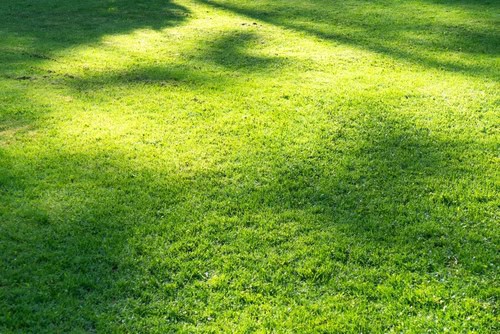
During the growing season there is mowing, edging, feeding, watering, scarifying, repairing bare patches and potentially dealing with moss and weeds.
You don’t necessarily need to remove your lawn, particularly if you use it for children, pets, entertaining or simply enjoy having one.
Instead, decide how perfect it genuinely needs to be.
A slightly more relaxed lawn can require considerably less attention than one maintained to immaculate striped-lawn standards. You might also reduce its size by extending borders or creating additional seating and planting areas.
If you hate mowing, don’t design an outdoor space around a huge area of grass that needs mowing.
6. Use Containers Strategically, Not Everywhere
Pots are often suggested as an easy alternative to traditional gardening, but there’s a catch.
A garden packed with small containers can actually create more work.
Small pots dry out quickly in warm weather and each becomes another individual plant that needs watering and monitoring.
If you like container gardening, fewer substantial pots can be easier to manage than dozens of little ones.
Larger containers also make more of a visual statement, so you can create impact without cluttering every available surface.
Choose plants that suit container life and think about how frequently you’re realistically prepared to water them before filling the patio.
7. Plant Shrubs That Earn Their Space
A garden doesn’t need hundreds of different plants to be interesting.
A smaller selection of well-chosen shrubs can provide structure, foliage, flowers and seasonal interest while requiring relatively little day-to-day attention once established.
Evergreen shrubs can be especially useful because they prevent the entire garden looking empty during winter.
The important thing is checking eventual size.

That tiny shrub sitting innocently in a garden-centre pot might have ambitions considerably greater than the space you’ve allocated to it. Choosing plants appropriate for their eventual position can save years of unnecessary cutting back.
8. Make Your Borders Bigger — Not Fussier
It sounds counterintuitive, but reducing the amount of lawn while increasing well-planted borders can sometimes make a garden easier to manage.
The important phrase is well planted.
A border containing lots of exposed soil and demanding plants will require work. One filled with shrubs, perennials, grasses and ground-covering plants chosen for the conditions can become increasingly self-sufficient as it matures.

Repeating plants throughout the border can also create a more cohesive design than buying one of everything that catches your eye.
It looks intentional while making maintenance more predictable.
9. Don’t Create Garden Jobs You Already Know You’ll Hate
This might be the most important rule of all.
Be realistic about what you’re prepared to do.
If you hate trimming hedges, don’t surround the garden with formal hedging that needs immaculate clipping.
If you forget to water things, don’t fill the patio with thirsty containers.
If you’re away every August, avoid creating a garden that depends on daily attention during the hottest part of the year.
And if spending Sunday afternoon deadheading flowers sounds like punishment rather than relaxation, don’t choose your entire planting scheme based around plants that require it.
A successful garden should fit the people living with it — not some imaginary version of you who suddenly develops a passion for pruning.
10. Accept That a Garden Doesn’t Have to Be Perfect
Perhaps the greatest labour-saving gardening technique is simply lowering the standard from show garden to pleasant place to spend time.
A few leaves on the ground aren’t a disaster.
The lawn doesn’t have to resemble a bowling green.
Plants can spill slightly over paths. Flowers can go to seed. A corner can be allowed to become a little more natural.
In fact, a garden with a slightly looser approach can often feel more inviting than one that has been manicured within an inch of its life.
Low maintenance isn’t about neglecting your garden.
It’s about deciding which jobs genuinely make it better — and eliminating as many of the pointless ones as possible.
What Is the Lowest-Maintenance Type of Garden?
There isn’t one universally perfect low-maintenance garden because climate, soil, garden size and how you use the space all matter.
However, gardens built around established shrubs, perennial planting, ground cover, mulched borders and practical hard landscaping can generally require less repetitive work than gardens dominated by immaculate lawns, formal hedges, bedding plants and large numbers of containers.
The initial work matters.
Spending more time planning and establishing the garden properly can reduce the amount of intervention it requires later.
What Plants Are Best for a Low-Maintenance Garden?
Look beyond lists promising particular plants are universally “easy”.
A genuinely low-maintenance plant is one that suits your particular garden.
A plant that thrives in somebody else’s sunny, free-draining border might struggle in your damp, shady garden and become anything but low maintenance.
Start with your conditions, then choose suitable plants.
For many UK gardens, hardy perennials, ornamental grasses, established shrubs, evergreen structure and ground-covering plants can form a useful starting point.
How Can I Make an Existing Garden Easier to Maintain?
You don’t need to redesign everything at once.
Start by identifying the jobs that take up most of your time.
If it’s mowing, consider reducing the lawn. If it’s weeding, mulch and increase planting coverage. If it’s watering, rethink containers and investigate irrigation. If it’s constant pruning, consider whether unsuitable or oversized plants could eventually be replaced.
Tackling the biggest recurring job first will usually make more difference than making ten tiny changes.
A Good Garden Shouldn’t Take Over Your Life
The best low-maintenance garden isn’t necessarily the one requiring the absolute minimum amount of work.
It’s the one that gives you far more enjoyment than effort.
Choose plants suited to your conditions, automate repetitive tasks where sensible, reduce unnecessary lawn and tiny containers, cover bare soil and stop creating gardening jobs you know perfectly well you aren’t going to enjoy.
Then use the time you’ve saved for the important part.
Actually sitting in the garden.
Opulence Magazine – the luxury magazine UK readers turn to for curated style, travel and fine living.


