
What the UV Index Tanning Trend Means for Your Skin, According to a K-Beauty Expert
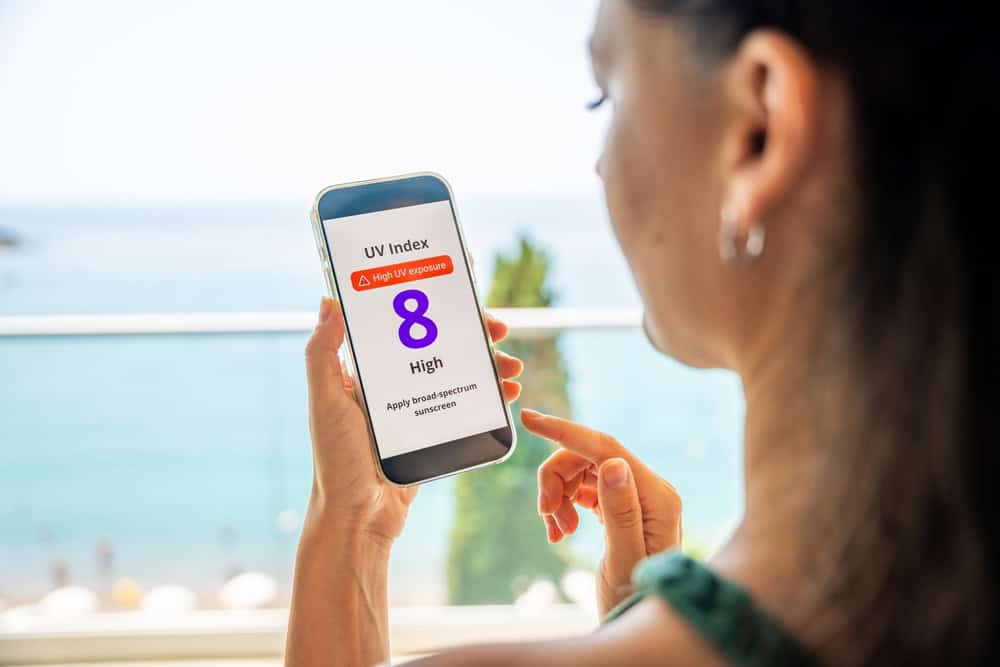
As temperatures rise and heatwaves sweep across the UK, many people are checking the UV index before stepping outside. In fact, searches for “UV index” have surged by almost 900% over the past three months, reflecting growing awareness of sun exposure and skin health.

But according to skincare experts, a worrying trend is emerging. Rather than using the UV index as a tool for protection, many social media users are treating it as a tanning guide, timing their sun exposure to coincide with peak UV levels in pursuit of a deeper tan.
While a bronzed glow may still be associated with health and vitality in some circles, experts say the reality is far less glamorous.
Why the UV Index Exists
The UV index was designed to measure the strength of ultraviolet radiation from the sun at any given time. Its purpose is simple: to help people understand when their risk of sun damage increases and when additional protection may be needed.
According to Melody Yuan, founder of Skin Cupid, the UK’s leading destination for authentic Korean skincare, the growing popularity of UV index searches is encouraging—but the way many consumers are using the information is not.
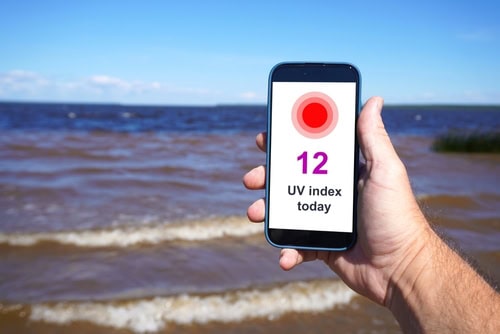
“The UV index was created to help people understand their risk of sun damage,” she explains. “We’re increasingly seeing people use it as a tanning tool, checking when UV levels are at their highest in order to maximise sun exposure. This completely misunderstands the purpose of the scale.”
A higher UV index doesn’t mean your tan will be healthier or more desirable. It simply means your skin is being exposed to greater levels of ultraviolet radiation.
The Hidden Cost of Chasing a Tan
For many beauty-conscious consumers, a golden glow remains a summer aspiration. However, skincare professionals continue to stress that tanning is, in fact, a visible sign that the skin is reacting to UV-induced damage.
Repeated exposure to ultraviolet radiation can accelerate many of the skin concerns luxury skincare consumers spend significant amounts trying to correct, including pigmentation, uneven tone, dehydration, fine lines and loss of elasticity.

Over time, excessive sun exposure can also compromise the skin barrier, leaving skin more vulnerable to irritation and sensitivity.
In other words, the glow may be temporary, but the consequences can linger long after summer ends.
The Korean Beauty Approach to Prevention
One reason Korean skincare continues to dominate global beauty trends is its long-standing emphasis on prevention rather than correction.
In Korea, daily SPF use is viewed as a non-negotiable step in any skincare routine, regardless of whether it’s sunny, cloudy, winter or summer.

Rather than waiting for pigmentation, wrinkles or loss of firmness to appear, K-beauty philosophy focuses on protecting the skin before damage occurs.
This preventative mindset has helped elevate sunscreen from a seasonal product to an everyday essential, and it’s a lesson many Western consumers are beginning to embrace.
Using the UV Index the Right Way
The recent spike in UV index searches suggests people are becoming more conscious of environmental factors that influence skin health. Experts see this as a positive development—provided the information is interpreted correctly.
Instead of using the UV index to identify the best time to tan, consumers should view it as a tool that helps guide smarter sun protection decisions.
Understanding when UV radiation is strongest can help determine when to seek shade, reapply sunscreen, wear protective clothing or limit prolonged exposure.
As conversations around skincare continue to evolve, the focus is gradually shifting from achieving the perfect tan to preserving healthy skin for the long term.
And according to skincare experts, that’s a trend worth embracing.


