
Why Clovelly Feels Like Stepping Back in Time
There are few places left in Britain that genuinely feel untouched by modern life. Fewer still where the sound of traffic has been replaced by seabirds, crashing waves and the occasional clip-clop of donkey hooves.
Yet tucked away on the rugged North Devon coastline is a village that has managed to preserve a way of life that feels almost impossible in 2026.
Welcome to Clovelly.
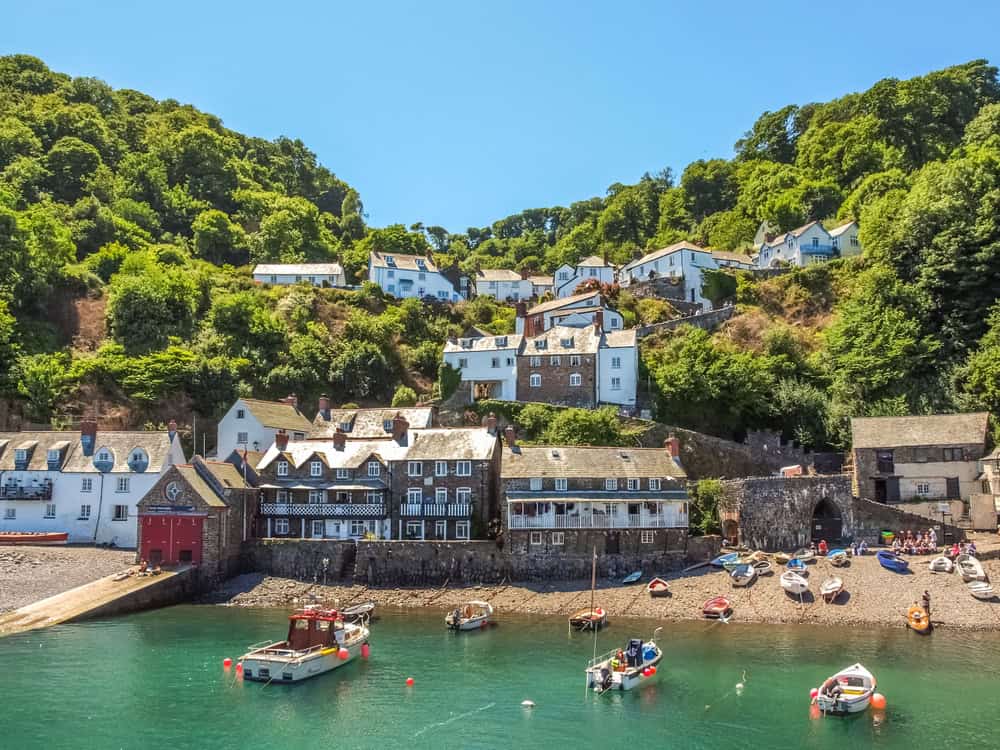
Perched dramatically on a steep hillside overlooking the Bristol Channel, this remarkable fishing village has become one of the UK’s most unique destinations. Visitors arriving for the first time often find themselves doing a double take. There are no cars navigating the narrow streets, no delivery vans squeezing through alleyways and no traffic noise echoing between buildings.
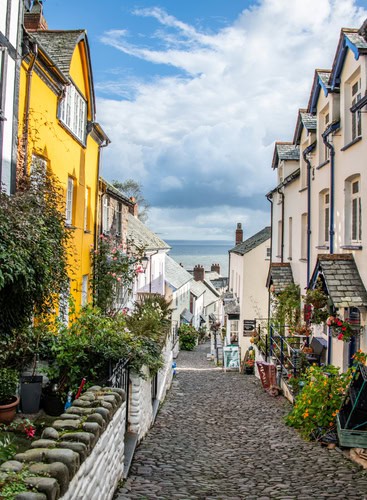
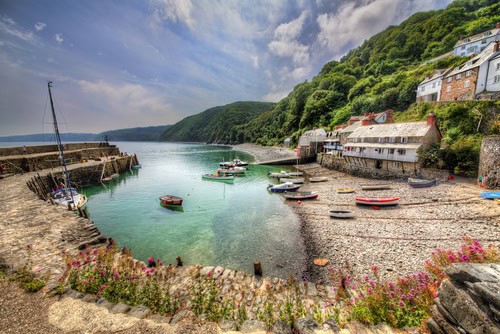
Instead, a winding cobbled lane tumbles down towards a picturesque harbour, flanked by whitewashed cottages adorned with colourful flowers and centuries of history.
A Village That Refused to Modernise
While much of Britain embraced roads, cars and urban development, Clovelly retained the character that made it famous centuries ago.
The village’s famously steep gradient means conventional vehicles would struggle to navigate its historic streets. Rather than adapting to modern transport, Clovelly largely stayed as it was, preserving an atmosphere that feels increasingly rare in the modern world.
Walking through the village is like stepping into a living museum, although one where people still live, work and welcome visitors.
The absence of traffic creates an immediate sense of calm. Conversations seem quieter. The pace of life slows. Visitors often find themselves lingering longer than planned, captivated by the simple pleasure of wandering without distraction.
The Donkeys That Became Local Celebrities
Perhaps nothing symbolises Clovelly’s character more than its famous donkeys.
For generations, these hardworking animals were essential to village life, carrying goods up and down the steep streets long before modern transport became commonplace elsewhere.
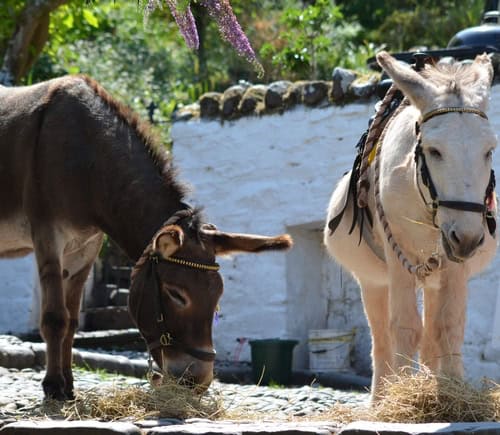
Today, the donkeys enjoy a much gentler existence and have become beloved ambassadors for the village’s heritage. For many visitors, spotting them remains one of the highlights of a trip.
They serve as a reminder of how different daily life once looked in this extraordinary corner of Devon.
A Place That Inspired Literary Greats
Clovelly’s beauty hasn’t gone unnoticed over the years.
Artists, writers and photographers have long been drawn to its unique setting and timeless atmosphere. Among those inspired by the village was Charles Dickens, who visited the area and found inspiration in its distinctive character.
It’s easy to understand why.
Every turn reveals another postcard-worthy view. Stone cottages cling to the hillside. Fishing boats bob gently in the harbour. The sea stretches endlessly towards the horizon.
Even on busy days, there is a sense that Clovelly exists in its own world, separate from the rush of everyday life.
Why Visitors Keep Falling in Love With Clovelly
Part of the village’s appeal lies in its authenticity.
Many picturesque destinations lose some of their charm under the weight of tourism. Clovelly has largely avoided that fate. Despite attracting visitors from across the country, it still feels like a genuine community rather than a visitor attraction created for tourists.

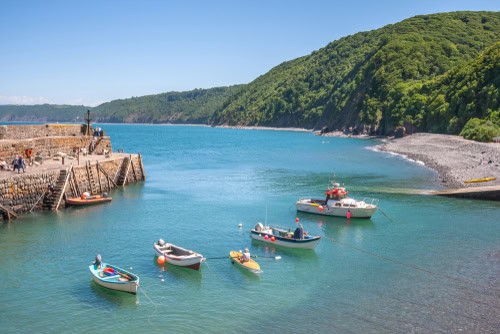
The harbour remains the heart of village life, while nearby beaches, coastal walks and stunning viewpoints offer plenty of opportunities to explore the surrounding landscape.
For those seeking a slower pace of travel, Clovelly delivers something increasingly difficult to find: the chance to disconnect.
No schedules. No traffic jams. No pressure.
Just sea air, history and some of the most beautiful coastal scenery in Britain.
In an age where many destinations compete to be bigger, busier and more connected, Clovelly’s greatest achievement may be that it has remained exactly what it has always been.
And that’s precisely why people continue to fall in love with it.
Credit: This article was inspired by information and commentary originally provided by Nate McFall and holidaycottages.co.uk.
Discover more from Opulence, a leading luxury magazine in the UK for aspirational living.


