
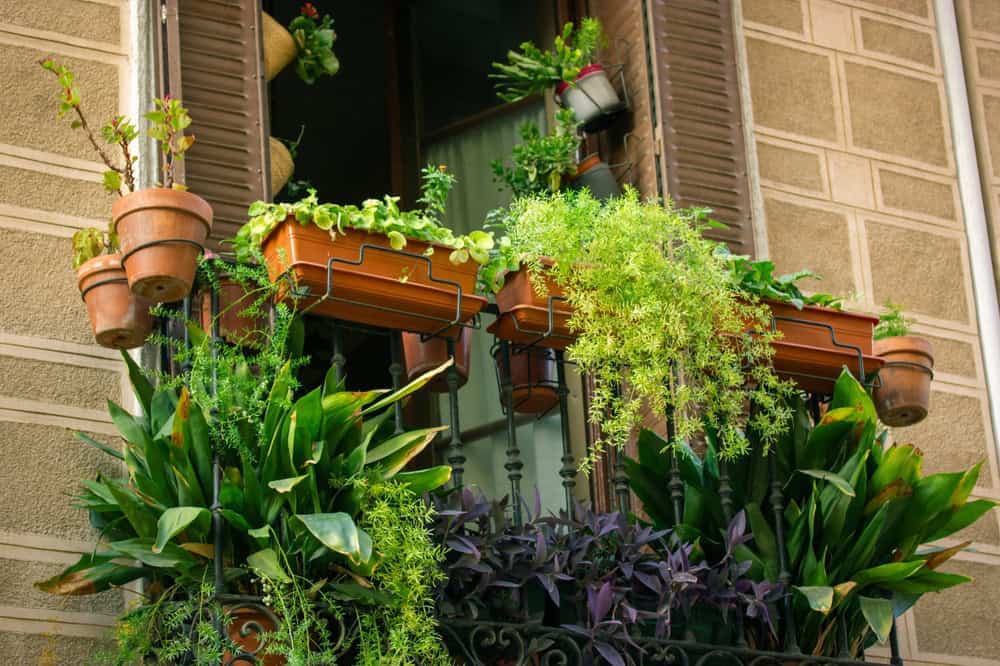
Why Apartment Gardening Is Becoming 2026’s Go-To Burnout Fix
There’s a particular kind of exhaustion that doesn’t go away with a good night’s sleep.
It builds quietly. Through back-to-back Zoom calls, endless notifications, and the low-level hum of always being “on.” For many city dwellers, burnout isn’t dramatic — it’s constant. A background noise of fatigue that no amount of scrolling, streaming, or switching off seems to fix.
And yet, one of the most talked-about wellness habits of 2026 isn’t a supplement, a fitness regime, or another productivity hack.
It’s a plant on a windowsill.
Apartment gardening — once seen as a hobby reserved for retirees or weekend enthusiasts — is quietly becoming one of the most effective ways urban residents are reclaiming calm. No garden required. No expertise necessary. Just a small patch of green and a few minutes of attention each day.
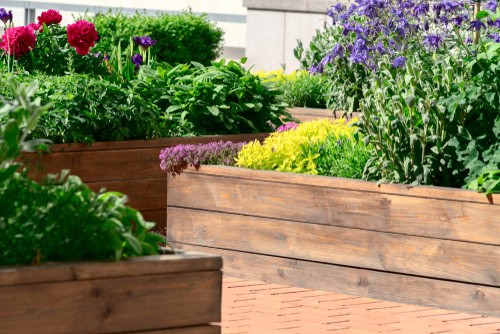
According to Vince Braun, Founder and CEO of sustainable lifestyle brand HealthiStraw, the appeal lies in something modern life has all but removed.
“What draws people to apartment gardening is the feeling of having something in your life that responds to your care,” he explains. “In a world built around speed and output, it’s restorative.”
The Quiet Power of Doing Something Slow
Most wellness trends demand effort. They ask you to optimise, track, improve. Gardening does none of that.
Instead, it offers something far rarer: visible progress that unfolds slowly.
Water a plant, and over time, it grows. Neglect it, and it fades. It’s simple, honest, and refreshingly direct — a feedback loop that feels almost foreign in a world dominated by abstract outcomes and delayed rewards.
“There’s a reason people describe gardening as grounding,” says Braun. “You’re literally working with something real, something living. That contrast to digital life is what makes it so powerful.”
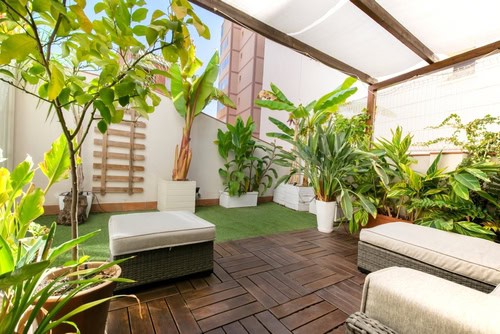
Unlike the instant gratification of a notification or the pressure of a deadline, plants operate entirely on their own timeline. And in doing so, they gently pull us out of the urgency that defines modern life.
Why It Works for Burnout
Burnout isn’t just about being tired. It’s about feeling disconnected — from your work, your time, and often, yourself.
Apartment gardening addresses that in ways that feel almost accidental.
It creates structure
Watering plants every morning or evening introduces a rhythm. A small, predictable moment in a day that might otherwise blur into one long screen session.
It slows your thinking
Plants don’t reward speed. They reward consistency. And in a culture obsessed with productivity, that shift is quietly radical.
It restores a sense of control
When everything else feels uncertain, even a small pot of herbs offers something rare: a space where your actions directly influence the outcome.
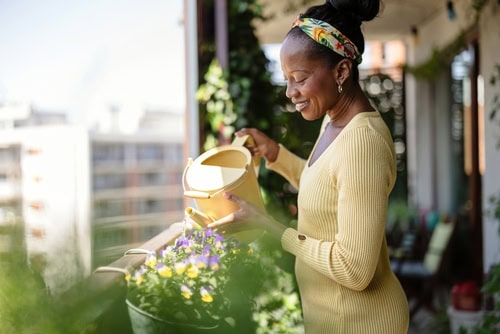
“Managing even a few plants gives people a sense of agency,” Braun explains. “Those small decisions — what to grow, when to water — add up to something meaningful.”
It encourages presence
No app required. No instructions. Just attention. The act of tending to plants naturally pulls you into the moment, easing the mental noise that burnout thrives on.
Why City Living Is Driving the Trend
This shift isn’t happening everywhere equally. It’s being led by city dwellers — and for good reason.
Urban life, for all its opportunity, often comes with a quiet trade-off: distance from nature.
Between long working hours and compact living spaces, many people go days — sometimes weeks — without meaningful time outdoors. Parks exist, but access is limited. Time is scarce.
Apartment gardening changes that.
A small collection of plants on a kitchen windowsill. A trailing pothos on a shelf. A cluster of herbs on a balcony. It doesn’t take much to transform a space — but the psychological shift can be significant.
“You don’t need a lot of room,” says Braun. “You just need a little intention.”
There’s also the reality of modern work culture. In cities where careers often demand constant availability, gardening offers something entirely separate. It’s offline. It’s personal. And crucially, it has nothing to do with performance.
The Rise of Low-Effort, High-Reward Wellness
Part of what’s driving this trend is simplicity.
Unlike many wellness habits that require commitment, discipline, or lifestyle overhauls, apartment gardening fits easily into existing routines. It asks very little — and gives something back almost immediately.
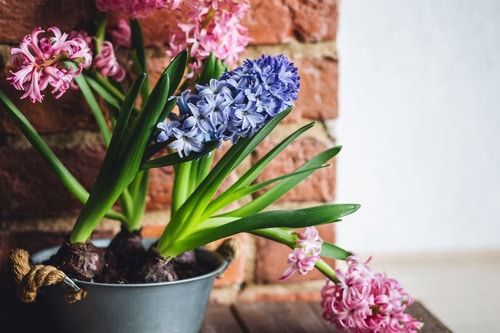
For those starting out, Braun recommends choosing plants that are both resilient and rewarding.
Lavender, for example, offers not only visual appeal but a naturally calming scent. Snake plants thrive in low light and require minimal care, making them ideal for busy households. Pothos, with its fast growth and trailing leaves, provides that early sense of progress that keeps people engaged.
“These are plants that give you visible results quickly,” he says. “That early feedback is what helps people stick with it.”
More Than a Trend
What makes apartment gardening different from other wellness movements is that it doesn’t feel like one.
There’s no pressure. No performance. No expectation to improve.
It’s simply the act of caring for something — and watching it grow.
And perhaps that’s why it’s resonating so deeply.
In a world that rarely slows down, the most powerful reset might not come from doing more, but from choosing something quieter. Something slower. Something real.
A plant, it turns out, might be enough.
Looking for a luxury magazine UK readers love? Explore more stories at Opulence Magazine.


