
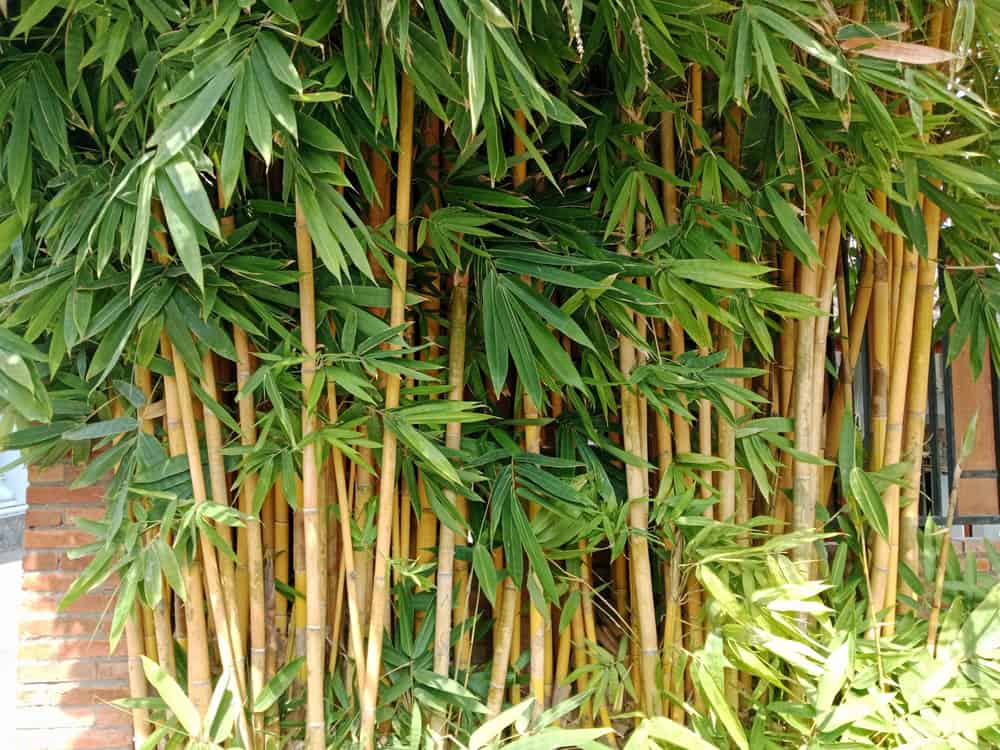
The Hidden Dangers of Planting Bamboo in Your Garden
Bamboo, with its beautiful, tall, green stalks and calm, tranquil essence, is becoming an increasingly popular addition to gardens. You may be drawn to the plant for its exotic look, its ability to block out prying neighbours, or simply how fast it grows – its unique style appeals to many.
However, this same rapid growth and stunning appearance can bring major risks and problems that are difficult to combat if not handled with the appropriate care. As innocent as it looks, bamboo hides a destructive power that few gardeners grasp. This article by gardening and plants expert Harry Bodell at PriceYourJob.co.uk will explore the key dangers of bamboo in the garden and how to identify and deal with any issues.
Understanding the Invasive Nature of Bamboo
Bamboo spreads mainly through rhizomes, which are the underground parts of the stems. These are not roots but modified underground stems that function similarly to roots and grow horizontally through the earth. Some types of bamboo are ‘clumping’, meaning that their rhizomes grow closer to the main plant.
Other types, known as ‘running’ bamboo, will send out long rhizomes horizontally, which can travel many feet from the original plant, finding new spots to pop up. They are strong enough to push through soil, crack pavement, and even squeeze into weak spots in building foundations.
Bamboo can shoot up inches, or even feet, each day during its growing season. This rapid growth speed means that even a small clump can quickly turn into a dense thicket, blocking out light and space for any other plants growing around them.
How Bamboo Can Quickly Become Destructive
The power of this plant can go beyond just taking over a small area of your garden. Here are some of the ways its strong, fast growth can cause significant damage to both your garden and your home:

Outcompeting Other Plants
When bamboo takes hold, it can become almost like a bully to the surrounding plants in your garden. Its dense roots suck up water and food from the soil, leaving little for anything else, and the thick canopy of leaves will start to block out sunlight.
This means that your carefully planted flowers and shrubs around it will start to struggle and may even completely die off over time. The lack of important light, water, and nutrients for your other plants may leave bamboo as the only survivor!
Soil Depletion and Erosion
A thick stand of bamboo puts a lot of stress on the soil, and its rapid and constant growth can strip the ground of important nutrients. Over time, this will change the soil structure, often leaving it less healthy and of poor quality.
If bamboo takes over a sloped area and pushes out the other plants that were holding the soil, the soil can begin to wash away quickly, especially during periods of heavy rain.
Structural Damage to Property
The underground reach of running bamboo can become a major problem for your home if not kept under careful control. Tough rhizomes can push up through driveways, paths, and patios and sneak into any cracks in the foundations of your home, making the cracks larger over time.
Bamboo roots have even been known to wrap themselves around and crush underground pipes such as water lines or sewer pipes. If the issue is allowed to get this far, this could lead to some very costly repairs later down the line!
Managing and Containing Bamboo
The point of this guide isn’t to put you off adding bamboo to your garden altogether, as it can make for a stunning ornamental piece and is great for providing privacy. You just need a plan. Knowing how to control bamboo will help you avoid any issues in the future.
Choose the Right Bamboo Type
It is a good idea to always look for a ‘clumping’ variety of bamboo. These types will grow in a tight clump and don’t send out the wild underground runners that can cause the problems we have discussed for your home and garden. They are a much safer option for home gardens than their running counterparts.
Implement Root Barriers
If you do opt for running bamboo, a strong root barrier is essential. You can purchase thick sheets made of strong plastic or metal, which should be buried around 2 to 3 feet deep into the ground. If you make sure that the ends overlap well and are sealed tightly, these sheets should form an effective barrier to stop rhizomes from finding a way to spread further into your garden and the rest of your property.
Containment Strategies
If you already have bamboo that is starting to spread, you will need to act fast. One method is to dig a trench around the area once or twice a year and cut down any rhizomes that try to cross it. Alternatively, simply cut down any new shoots as soon as you see them pop up outside of the desired area. This will make the plant weaker over time.

Is it Time for Removal?
Unfortunately, even if preventative measures have been put in place, the time sometimes comes when bamboo has simply grown too much and taking it out completely is the only answer. Signs of a bamboo infestation include shoots popping up far from where you planted them (maybe even in your neighbour’s garden, which could cause disputes), other garden plants looking sick or dying off, and cracks in the ground near your bamboo.
Getting rid of bamboo completely will take a lot of time and hard work – strong infestations can be almost as tough as Japanese knotweed! Cut down all of the shoots and dig up as many rhizomes as you can. This process will need to be repeated over many months or even years to eventually starve off the plant. Very large or tough infestations may require you to hire professional support.
After you have cut down the bamboo, you must dispose of it correctly, otherwise the cut pieces can sprout new plants. The safest way to dispose of it is to send it off with your garden waste collection under your local authority rules – composting is an option, but be careful as rhizomes can regrow even in a compost pile.
Final Thoughts
Hidden behind its beauty and exotic charm, the dangers of bamboo in the garden are real and severe. If not handled properly, it can quickly destroy your other plants, take over your garden, and even cause property damage.
The key to owning bamboo is to do your research and formulate a careful maintenance plan. Selecting the right varieties and putting any appropriate protective measures in place will see your home, garden (and likely also your wallet) thanking you in the long run!
Discover more from Opulence, a leading luxury magazine in the UK for aspirational living.


