
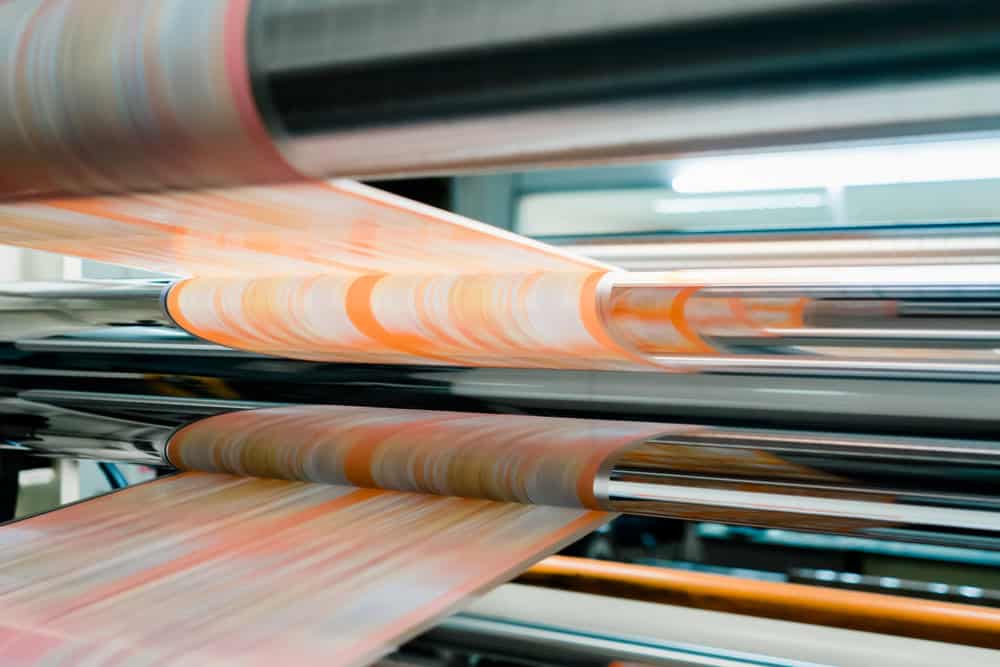
The world of packaging and printing is growing fast and new technologies are being introduced to enhance efficiency, quality and cost-effectiveness of the production process.
The rotogravure printing machine is yet another one of the numerous advances in the area of printing technologies and it is a printing machine so unique in its outstanding quality of working with the great numbers of the production runs of the product with such precision and speed that it is incomparable to another printing machine. In such intensively requested sectors, such as the packaging sector, effective printing solutions with high quality are fundamental.
Here is where rotogravure machines are brought in to supplement other technologies of printing, which include flexographic machines, to fulfill various production requirements. Where flexographic such as a flexographic printing machine are suitable to flexible packaging and label destinations, rotogravure such as rotogravure printing machines are well suited to those jobs involving high definition and large scale print production, especially when the print has to be produced on a large scale. This paper will discuss the use of rotogravure printing machines in large scale production, advantages of these printing machines and also their competitiveness with other industry techniques.
What Makes Rotogravure Printing Machines Ideal for High-Volume Production
Rotogravure printing is also characterized with high quality images that are printed at high speeds and that is why many in large volume production facilities prefer to use rotogravure printing. Rotogravure printing requires a different approach of transferring ink to the printing surface as other printing methods would as it uses its own engraving of images on a cylinder which in turn deposits ink. It makes it possible to very precisely and consistently reproduce prints with little variations in color making it very useful in packaging and other items where precision is critical.
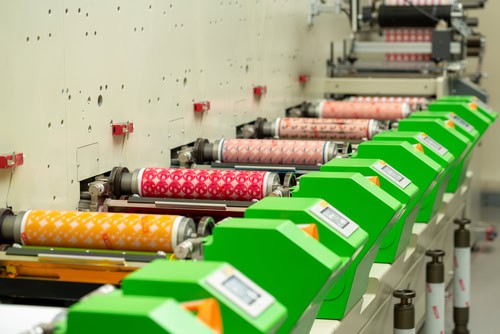
It is one of the strongest suits of rotogravure printing machines as they are capable of printing a great amount of print with unbelievable speed. Their design is aimed at doing uninterrupted printing and this ensures that the manufacturer maintains a smooth production process over a long time thus limiting production downtime. In comparison to the flexographic machines, the rotogravure printers in most cases are more applicable in the long print runs since they do not compromise on the quality during high speeds. Such print technology as rotogravure has additional versatility to speed. It can extend the range of materials that can be used by encompassing non-porous materials such as films, foils and coated papers, and it is therefore an optimal solution when it comes to flexible packages, labels, and other more elaborate products.
Economy in Rotogravure Printing of Long Runs
During the high-scale manufacturing, the affordability of rotogravure print machines is evident. Though the initial cost of set up in rotogravure printing may be somewhat high since the process involves engraving, the high cost savings in terms of materials needed, time and labour as well as speed makes it very economical when large quantities are involved. After the engraving plates have been made it is possible to keep a rotogravure printing press running at high speeds over long periods which implies that the unit cost scales down rapidly with volumes.
Rotogravure machines are also very effective in the use of ink besides its speediness. Fewer inks get wasted as they are transferred directly to the engraved cylinders and the substrate thus the inks are not wasted as they are in other printing solutions. This helps to save in the total cost of ink making it economical during maximum production. On manufacturers who are more interested in mass production, return on investment (ROI) with a rotogravure printing machine proves to be greater in the long run, since production time, as well as consumable materials, has been greatly reduced due to the efficiency of the machine.
Material Handling and Substrates Flexibility
The rotogravure printing machines have one of the advantages of being able to accommodate different types of substrates without problems. Rotogravure printing technology delivers all-around excellent print quality in many kinds of substrates-thin films, heavy-duty paperboard, and even the non-porous materials. These plastics make the rotogravure suitable in flexible packaging or labels, wallpapers and even in niche industrial printing. Although the use of flexographic machines provides a wide variety of materials that can be used, rotogravure holds an advantage over its competitors especially when dealing with such high-concentrated methods of ink and dense film inks.
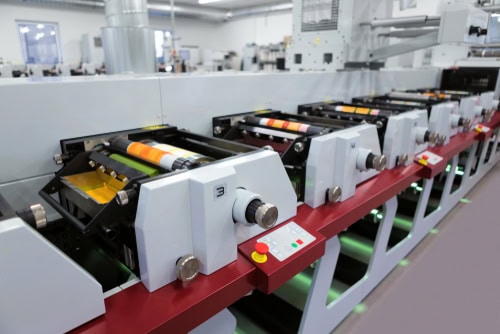
This ability enables it to generate rich and high definition images and therefore it would be an excellent option to industries where the fine detailing of prints is necessary like the food and beverage, cosmetics and pharmaceutical industries. Besides, rotogravure printing is characterized by high print resolution, which makes it possible to use detailed patterns and bright color, which contributes to packaging design being more attractive. This is one of the major reasons why it is commonly used in the production of items such as the luxury packaging where image quality of an item can significantly determine the choice of a consumer.
Environmental Impact of Rotogravure Printing Sustainability
Sustainability remains a critical issue in the manufacturing process and therefore, the environmental effects of printing technologies are increasing as a determining factor. Rotogravure printing machines use less waste applications on the use of ink, compared to any other printing processes; therefore, wastage is minimal. Nevertheless, also the use of solvent-based inks in the traditional method of rotogravure printing may leave an environmental footprint as is the case with all printing technologies. Reactions to such issues indicate that a large number of manufacturers are moving towards sustainability by switching to water based ink or UV curable inks within their rotogravure printing machines.
These inks not only help in minimizing VOC but also makes the safety of the printed products to be consumed by the consumers and nature greater. Rotogravure printing is being adapted to these demands, and this is offering a green solution to high print runs. Rotogravure printing gives the possibility of working with a larger variety of inks and media compared to flexographic machines, thus enabling more environmentally friendly choices when used with recycling processes, or where materials may be recycled.
Conclusion
The value of rotogravure printing presses The printing presses of the rotogravure type have turned out to be a revolution in the sphere of intensive production, being incomparably fast, accurate, and cost-effective. Although flexographic machines can be popularly used in short runs and general uses, rotogravure printing machines are distinguished in cases where ultra clarity prints and bulk production is demanded. Rotogravure printing has been a mainstay of contemporary packaging and print industries, because of not only its cost savings with regard to long production runs, but also an ability to print on virtually all materials with a higher level of quality. Since manufacturers are always in need of effective, quality, green and environmentally friendly solutions of printing, rotogravure printing equipment will also be a good asset in the production process of manufacturers. As long as ink technologies and sustainability processes keep being improved, the future of rotogravure printing has never been brighter.
Explore more with Opulence, your luxury magazine in the UK for design, travel and sophisticated living.


