

When you think of Hungary, majestic architecture, thermal baths, and the river Danube might come to mind. But for those who have ever sat down in a Hungarian restaurant, the memories are just as likely to be tied to the unforgettable flavors of paprika-rich stews, creamy desserts, and soul-warming soups. Hungarian cuisine isn’t just a collection of traditional dishes — it’s a living reflection of the country’s rich, multicultural past.
Hungarian gastronomy is a true time capsule. Over the centuries, waves of history have brought new flavors and methods to the Carpathian Basin, and Hungarians have skillfully woven them into a unique culinary identity.
From medieval times, when hearty meat stews and rustic grain-based meals dominated, through the Turkish occupation that introduced paprika, eggplant, and stuffed vegetables, to the Austro-Hungarian era of refined pastries and layered complexity — every bite has a story.
Visit a traditional Budapest Hungarian restaurant, and you’ll experience a fusion of peasant traditions and aristocratic elegance, spiced up by centuries of trade and conquest.
Traditional Dishes with a Story
Soups: Where the Experience Begins
Hungarian meals often start with a bold, flavorful soup. And these aren’t your average broths.
- Gulyásleves (Goulash soup): A rustic dish of beef, root vegetables, and paprika — once a shepherd’s one-pot meal, now a symbol of national pride.
- Jókai bean soup: Named after the famed Hungarian writer, this thick, smoky soup combines beans, smoked pork, and sour cream.
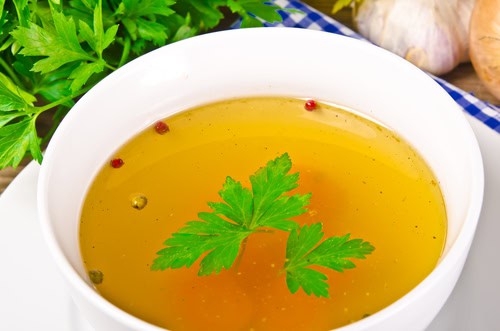
- Beef consommé: Clear, golden, and intensely aromatic, traditionally served on Sundays.
Main Dishes: The Heart of Hungarian Cuisine

- Chicken paprikash with buttered noodles — a creamy, spicy, and quintessentially Hungarian dish.
- Pörkölt (meat stew) — a paprika-based dish with pork or beef, similar to goulash but thicker and richer.
- Stuffed cabbage — minced pork and rice wrapped in fermented cabbage leaves, simmered in a tangy tomato sauce.
- Fisherman’s soup (Halászlé) — a fiery red river fish broth, especially popular along the Danube and Tisza rivers.
- Breaded pork schnitzel — influenced by Austria, but with a Hungarian twist of paprika-laced potatoes or cucumber salad.
Desserts: Sweet Endings with Soul

Hungarians take their desserts seriously. Expect textures, cream, and heritage.
- Dobos Torte — layers of sponge cake with chocolate buttercream and a caramel topping, created in the 19th century.
- Gundel crêpe — filled with rum-soaked walnuts, raisins, and topped with dark chocolate sauce.
- Somlói Galuska — a sponge cake trifle with vanilla custard, chocolate syrup, and whipped cream.
- Poppy seed bread pudding (Mákos guba) — a childhood favorite turned gourmet treat in many restaurants.
Why It’s Unforgettable for Visitors
To someone used to more neutral or minimalist cuisines, Hungarian food is an explosion of flavor. Bold, smoky, creamy, and often tangy — it surprises, delights, and satisfies. The generous use of paprika, sour cream, garlic, and slow-cooked meats creates an experience that’s both rustic and refined.
Dining in a Hungarian restaurant is more than tasting food. It’s absorbing a culture: the warm welcome, the old-world interiors, the sense of tradition in every bite. Whether in a cellar tavern or a riverside fine dining spot, the hospitality is as rich as the food.
Gastronomy as Cultural Heritage
Many of Hungary’s most iconic dishes are rooted in centuries of tradition. Recipes are passed down through generations, often with slight regional variations or family secrets. For travelers, this culinary heritage offers one of the most authentic ways to connect with local culture.

A spoonful of goulash isn’t just a taste — it’s a story. A slice of Dobos torte is a piece of Austro-Hungarian elegance. Trying Hungarian cuisine is like being invited into someone’s history, lovingly plated.
The next time you visit the Hungarian capital, don’t just sightsee — taste-see. A memorable experience in a Hungarian restaurant offers more than a meal: it’s a journey through centuries of culture, flavor, and identity.
Come for the Langos. Stay for the stories.
Opulence Magazine is proud to be a leading luxury magazine in the UK for modern tastemakers.


