

10 Best Dog-Friendly Holiday Destinations in the UK
Finding somewhere that accepts dogs is relatively straightforward. Finding accommodation that’s genuinely comfortable for both you and your pet requires a little more attention.
A property advertised as dog-friendly may simply mean that pets are permitted, sometimes with additional charges or restrictions.
Before booking, look beyond the headline description and consider the practical details.
Check the Dog Policy Carefully
Establish how many dogs are permitted, whether there are size restrictions and if additional cleaning fees apply.
Some properties allow dogs in specific rooms but restrict access to bedrooms, furniture or communal areas.
Others may require dogs to remain accompanied throughout the stay.
It’s always better to understand these arrangements before paying a deposit.
Look for Secure Outdoor Space
An enclosed garden can make a considerable difference, particularly when staying with an energetic dog or one that’s easily distracted.
However, the word enclosed doesn’t necessarily mean escape-proof.
Check the height and condition of fencing, whether gates are secure and if there are gaps small dogs could squeeze through.
If you’re travelling with a puppy or a particularly adventurous dog, this is especially important.
Consider the Flooring and Layout
Hard floors can be easier to clean after muddy walks, while steep stairs may be unsuitable for older dogs or those with mobility problems.
Ground-floor accommodation can be particularly helpful when travelling with puppies, senior dogs or breeds that benefit from avoiding unnecessary stair climbing.
Choose Somewhere Close to Walking Routes
A beautiful cottage loses some of its appeal if every toilet break involves getting into the car.
Look for convenient access to safe walking areas, particularly for early morning and evening outings.
Check the Surrounding Environment
A remote cottage might be perfect for a nervous dog that prefers peace and quiet.
Conversely, a sociable dog accustomed to busy environments may be perfectly comfortable in a bustling seaside town.
The best dog-friendly accommodation should suit your dog’s personality as well as your preferred holiday style.
Dog-Friendly Cottages, Hotels or Holiday Lodges: Which Is Best?
Different accommodation types offer different advantages.
| Accommodation | Main advantages | Things to consider |
|---|---|---|
| Holiday cottages | Privacy, kitchens, more space and sometimes enclosed gardens | Cleaning rules, fencing and pet restrictions |
| Dog-friendly hotels | Convenient facilities, dining and shorter stays | Shared spaces, additional fees and room access |
| Holiday lodges | Countryside settings, outdoor access and self-catering flexibility | Site rules, nearby roads and secure outdoor space |
| Campsites | Outdoor atmosphere and flexible accommodation options | Weather, noise and dogs’ comfort around other visitors |
| Coastal apartments | Access to beaches, cafés and seaside attractions | Stairs, limited outdoor space and seasonal beach restrictions |
For a relaxing longer stay, a cottage or lodge often provides the most flexibility.
For a weekend away, a well-chosen dog-friendly hotel can be equally enjoyable, particularly if it provides convenient access to walks and welcoming dining areas.
What to Pack for a Dog-Friendly UK Holiday
Packing for a dog doesn’t need to be complicated, but forgetting something essential can create unnecessary stress.
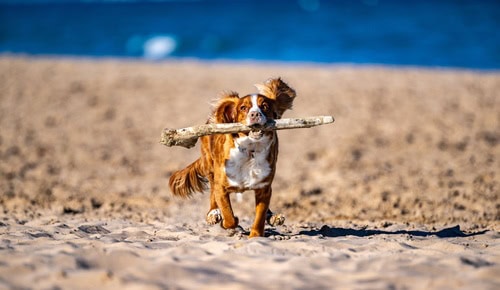
Dog Holiday Packing Checklist0 of 10 packedRegular food and familiar treatsFood and water bowlsCollar, ID tag, lead and secure harnessBed or familiar blanketFavourite toys and comfort itemsWaste bags and towels for muddy pawsMedication and any necessary health recordsTick remover and basic pet first-aid suppliesSuitable car restraint or secured travel crateTravel water bottle and cleaning supplies
Copy checklist
Bringing familiar items from home can be particularly helpful when your dog is adjusting to a new environment.
A favourite bed or blanket carries recognisable scents, while familiar food reduces the likelihood of digestive problems caused by an unnecessary dietary change.
How to Travel Safely With Your Dog in the Car
For many UK holidays, travelling by car is the most convenient option.
It allows greater flexibility over departure times, breaks and luggage, while avoiding the restrictions that can apply to other forms of transport.
However, car journeys should be planned around your dog’s comfort and safety.
The Highway Code requires dogs and other animals to be suitably restrained so they cannot distract the driver or cause injury during sudden braking.
A properly secured travel crate, suitable pet carrier or appropriately designed seat-belt harness may be suitable, depending on the dog’s size and needs.
Never allow your dog to travel loose inside the vehicle.
Plan Regular Stops
For longer journeys, schedule opportunities for your dog to stretch, drink and relieve itself.
The frequency of breaks depends on the individual dog, its age, health and ability to travel comfortably.
Puppies and older dogs may need more frequent stops.
Keep the Car Comfortable
Make sure your dog has adequate ventilation and a comfortable travelling position.
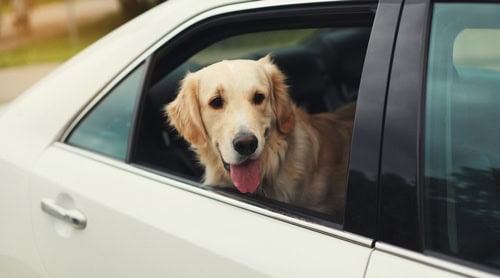
Avoid allowing dogs to put their heads out of open windows, where they could suffer injuries.
Travel during cooler periods when possible, especially during warmer weather.
Never Leave a Dog in a Parked Car
Even relatively mild weather can create dangerous conditions inside a vehicle.
Temperatures can rise quickly, and an open window may not provide sufficient protection against overheating.
If you need to stop somewhere that doesn’t permit dogs, arrange for someone to stay with your pet or choose another location.
How to Help Your Dog Settle Into Holiday Accommodation
Even dogs that are perfectly relaxed at home can find unfamiliar accommodation unsettling.
New smells, different noises and changes to their normal routine can all influence how comfortable they feel.
When you arrive, give your dog time to investigate the space calmly.

Rather than immediately heading out for a long adventure, allow them to explore the accommodation, find their water bowl and settle into their sleeping area.
Establish somewhere quiet where they can retreat if they feel overwhelmed.
Keep feeding times reasonably consistent and avoid introducing too many unfamiliar experiences at once.
Signs of stress can include excessive panting, pacing, trembling, repeated yawning, hiding or unusual changes in behaviour.
Some dogs become particularly clingy, while others prefer to withdraw.
If your dog seems anxious, reduce stimulation and allow time for adjustment.
A holiday should be enjoyable for your pet, not something they simply have to endure.
Understanding Dog Restrictions on UK Beaches
One of the biggest misconceptions about dog-friendly coastal holidays is that every beach welcomes dogs throughout the year.
In reality, access can vary considerably.
Some beaches welcome dogs all year, while others restrict them during the main visitor season. Certain areas may require dogs to remain on leads, particularly where wildlife or other beach users need protection.
Even beaches within the same town can operate different rules.
Before travelling, check the relevant local authority or beach operator’s current guidance.
Pay attention to signs at access points, as boundaries can change between permitted and restricted sections.
Remember that beach conditions matter just as much as access permissions.
Strong tides, steep drops, sharp rocks and unexpected currents can all present hazards.
Avoid allowing dogs to drink seawater, and provide plenty of fresh drinking water.
On warmer days, test the sand temperature and ensure your dog has access to shade.
How to Be a Responsible Dog Owner in the Countryside
Britain’s countryside offers wonderful opportunities for exploring with dogs, but it is also home to livestock, ground-nesting birds and other wildlife.
Responsible behaviour helps protect the landscape and ensures everyone can enjoy outdoor spaces.
The Countryside Code emphasises the importance of keeping dogs under effective control, respecting other visitors and protecting farm animals and wildlife.

In areas with livestock, dogs should generally be kept on a short lead, particularly around sheep and young animals.
If cattle approach and you feel threatened, official countryside guidance advises that releasing your dog’s lead may be necessary to keep yourself safe.
Dog owners should also clean up after their pets and dispose of waste responsibly.
Always follow signs indicating temporary restrictions, protected habitats or designated walking routes.
A little consideration helps preserve the very places that make dog-friendly holidays so enjoyable.
Are Dog-Friendly Holidays Suitable for Every Dog?
Not every dog enjoys travelling, and that’s worth acknowledging.
Some are naturally adventurous, comfortable with unfamiliar places and happy to meet new people.
Others find changes to their environment stressful.
Older dogs may struggle with long car journeys or demanding walks, while puppies can become overwhelmed by excessive activity.

Dogs recovering from illness, surgery or injury may also require a quieter routine.
Before booking, think carefully about your dog’s temperament and physical needs.
For some, a peaceful cottage within a short drive of home will be ideal.
For others, staying in familiar surroundings with a trusted carer may be the kinder option.
A successful dog-friendly holiday isn’t measured by how far you travel or how many places you visit.
It’s about creating an experience that’s comfortable, safe and enjoyable for everyone.
Frequently Asked Questions About Dog-Friendly Holidays in the UK
Where is the best place in the UK for a holiday with dogs?
The Lake District, Cornwall, North Yorkshire, Devon, Norfolk and the New Forest are all appealing options. The best destination depends on your dog’s exercise requirements, the type of accommodation you prefer and whether you enjoy beaches, woodland or countryside walks.
Are dogs allowed on UK beaches all year?
Some UK beaches welcome dogs throughout the year, but others have seasonal restrictions or designated dog-free areas. Always check current local regulations before visiting.
Can dogs stay in UK hotels?
Many UK hotels accept dogs, although policies vary. Some charge additional fees, restrict dogs to particular rooms or prohibit pets from dining areas. Confirm the arrangements before booking.
What should I look for in a dog-friendly holiday cottage?
Useful features include secure outdoor space, easy access to walking routes, appropriate flooring, sufficient room for your dog to relax and clear pet policies. Consider your dog’s age, mobility and temperament when choosing a property.
Can I leave my dog alone in a holiday cottage?
This depends on the accommodation provider’s rules and your dog’s behaviour. Some properties prohibit leaving dogs unattended. Even where permitted, an unfamiliar environment may cause anxiety, so plan activities that allow your dog to accompany you.
What is the best way to travel with a dog in the UK?
Car travel often provides flexibility, provided your dog is suitably restrained, comfortable and given appropriate breaks. Train and ferry travel may also be possible, but operators have different rules and requirements.
Are dog-friendly holidays more expensive?
They can be, particularly when accommodation providers charge additional pet fees. However, choosing self-catering accommodation, travelling outside peak periods and comparing pet policies can help manage the overall cost.
How do I keep my dog calm on holiday?
Maintain familiar feeding and sleeping routines, bring comforting items from home and allow time to adjust. Avoid overloading your dog with new experiences and provide a quiet space where they can rest.
The Joy of Exploring the UK With Your Dog
A memorable holiday doesn’t always require an international flight, an elaborate itinerary or weeks of planning.
Sometimes, the most rewarding escapes are found much closer to home.
A quiet morning beside a lake, an afternoon wandering along the coast or a countryside walk followed by dinner in a welcoming village pub can provide everything you need from a relaxing break.
And when your dog can enjoy those experiences alongside you, the holiday takes on an entirely different character.
The UK has an extraordinary variety of landscapes to explore, with accommodation options to suit everything from luxurious weekend escapes to relaxed family holidays.
The secret is finding somewhere that feels right for both you and your pet.
Because a truly good dog-friendly holiday isn’t simply about being allowed to bring your dog.
It’s about choosing somewhere they’re genuinely welcome, comfortable and able to enjoy the experience as much as you do.
Explore more with Opulence, your luxury magazine in the UK for design, travel and sophisticated living.


