

What Vegetables Can You Plant in September? Easy Autumn Crops to Grow
September can feel like the moment the vegetable garden starts shutting down. Tomatoes are coming to an end, courgettes are slowing and the first signs of autumn are creeping into the garden.
But clearing the beds and putting away the seed packets would be premature.
Early autumn can actually be a surprisingly productive time in the vegetable patch. Cooler temperatures suit several leafy crops, while other vegetables can be planted now to establish themselves before winter and provide an earlier harvest the following year.
It also means those empty spaces left behind by summer crops don’t have to sit bare for months.
Here are some of the easiest vegetables to plant in September and keep your kitchen garden working well beyond summer.
Spinach
Spinach is particularly well suited to the cooler conditions of early autumn. In fact, sowing once the hottest part of summer has passed can make life easier, as spinach is less likely to bolt rapidly in cooler weather.
Choose a hardy variety and sow directly into prepared soil, keeping the ground moist while the seedlings establish.

Young leaves can be harvested for salads, while larger leaves are ideal for cooking. In milder areas or protected beds, autumn-sown spinach may continue producing leaves well into winter.
A cloche, cold frame or layer of horticultural fleece can also help extend the picking season when temperatures begin to fall.
Winter Lettuce
Homegrown salad doesn’t necessarily have to disappear with summer.
Winter and hardy lettuce varieties are bred to cope with much cooler temperatures than their summer counterparts and can be sown during September for autumn and winter harvesting.
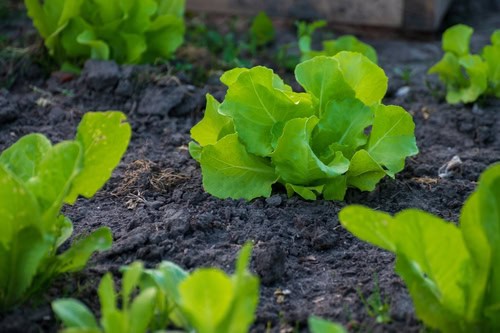
A sheltered position will give plants the best chance of thriving, particularly as daylight hours become shorter.
Loose-leaf varieties are particularly useful because individual leaves can be picked when required rather than harvesting the entire lettuce. It makes them ideal for smaller households and anyone who only wants a handful of fresh leaves at a time.
Growing lettuce in pots can work well too, particularly if containers can later be moved somewhere more protected.
Rocket
If you’re looking for something relatively speedy, rocket deserves a space in the autumn vegetable patch.
Seeds germinate quickly when conditions are favourable and young leaves can be ready to pick within weeks. The cooler temperatures can also produce leaves with that distinctive peppery flavour without the plant racing immediately towards flowering.
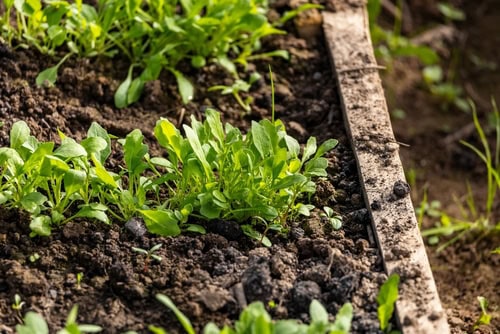
Sow little and often rather than planting an entire packet at once. This can provide a succession of younger leaves rather than one enormous crop that needs eating at the same time.
Growth will naturally slow as temperatures and light levels fall, but plants in sheltered spots can continue cropping surprisingly late into the season.
Spring Onions
Spring onions take up very little room, making them an excellent crop for filling small gaps that appear as summer vegetables are harvested.
Hardy varieties can be sown in early autumn and left to establish as temperatures begin to drop.
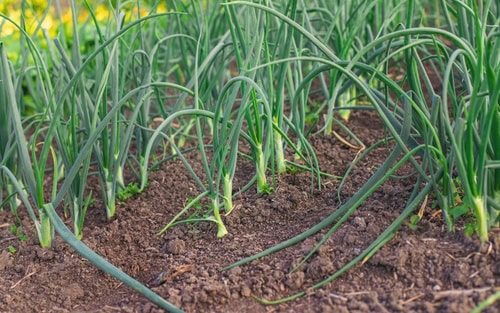
They don’t require an elaborate vegetable garden either. A narrow row, raised bed or reasonably deep container can provide enough room for a useful crop.
Depending on the variety, weather and growing conditions, autumn sowing can provide spring onions later in the season or give plants a useful head start for harvesting the following spring.
Why September Is Worth Making the Most Of
One of the biggest mistakes gardeners can make is assuming that the vegetable-growing year finishes when summer does.
September often brings a useful combination of soil that is still relatively warm from summer and cooler, damper weather above ground. For suitable crops, those conditions can be ideal for germination and establishing young plants.
There is another advantage: space.
Beds that were packed with beans, peas, potatoes, salads and other summer crops gradually become available, leaving plenty of opportunities for another round of sowing.
Rather than leaving that soil empty until spring, quick-growing and cold-tolerant vegetables can squeeze another harvest out of the year.
How to Give Autumn Vegetables the Best Start
Before sowing anything new, remove old plants and weeds and lightly work over the soil. Adding some well-rotted compost can help replenish beds that have been working hard throughout summer.
Newly sown seeds still need regular moisture, even when the weather feels cooler, so don’t assume autumn rain will always do the job.
As the season progresses, keep an eye on the forecast. Young plants are more vulnerable than established crops, and a sudden cold spell can damage tender new growth. Fleece, cloches and cold frames can all provide useful additional protection.
It’s also worth remembering that autumn gardening is highly dependent on location. A sheltered garden in southern Britain may continue growing considerably later than an exposed vegetable patch further north, so treat sowing dates as a guide rather than an absolute deadline.
The Vegetable Patch Isn’t Finished Yet
September isn’t simply about clearing away summer and waiting for spring.
A few carefully chosen sowings can keep fresh leaves and vegetables coming from the garden as autumn develops, while hardy crops can quietly establish themselves ready for the months ahead.

So when the last of the summer harvest leaves a few empty patches of soil, don’t automatically reach for the garden fork and call it a year.
There may still be another crop waiting to grow.
Original gardening advice supplied by Jo McGarry, luxury garden design expert at Caragh Nurseries.


