

Why L-Theanine Is Becoming a Popular Supplement for Healthier-Looking Skin
The future of glowing skin may not be found in your skincare cabinet alone. As interest in holistic beauty continues to grow, one calming amino acid is attracting attention for its potential to support healthier-looking skin from the inside out.
For years, skincare has focused on what we apply to our skin. Serums, moisturisers, acids and antioxidants have dominated bathroom shelves, all promising brighter, firmer and clearer complexions.
Now, the conversation is beginning to shift.
Rather than asking which cream delivers the fastest results, many beauty-conscious consumers are exploring how stress, sleep and overall wellbeing influence the appearance of their skin. It’s part of a wider movement known as inside-out beauty – an approach that recognises healthy skin is often supported by healthy habits.
One ingredient increasingly appearing in these conversations is L-theanine.
What Is L-Theanine?
L-theanine is a naturally occurring amino acid most commonly found in green tea.
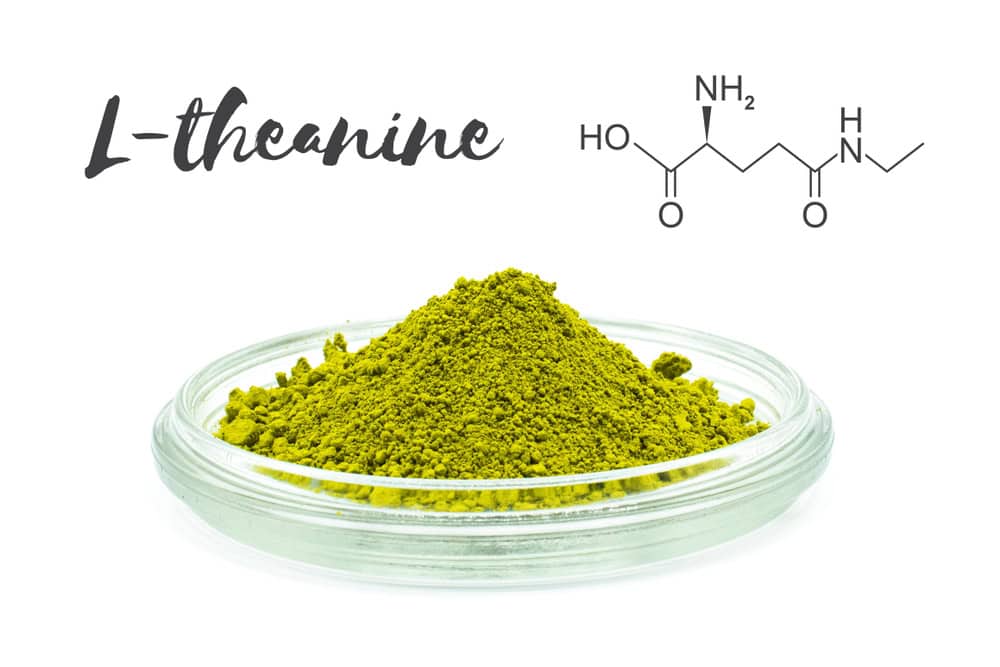
Unlike stimulants, it is best known for encouraging a sense of calm without causing drowsiness, which is why it has become a popular supplement for people looking to manage everyday stress or improve relaxation.
Although it isn’t a skincare ingredient in the traditional sense, growing interest in the relationship between mental wellbeing and skin health has led many people to explore whether L-theanine could indirectly benefit the complexion.
The Link Between Stress and Your Skin
Anyone who has experienced a breakout before an important event understands that stress can quickly show itself on the skin.
Periods of prolonged stress can trigger higher levels of cortisol, the body’s primary stress hormone. Over time, this may contribute to increased oil production, inflammation and a weakened skin barrier, all of which can leave skin looking dull, irritated or more prone to blemishes.
While no supplement can eliminate these effects completely, supporting stress management may help reduce one of the many lifestyle factors that influence skin health.
Why Sleep Plays a Bigger Role Than Many Realise
Skin performs much of its repair work while we sleep.
During the night, the body supports processes involved in cell renewal, collagen production and barrier repair. Poor-quality sleep, on the other hand, can leave skin looking tired, dehydrated and lacking radiance.

Because L-theanine is often taken to encourage relaxation before bedtime, many wellness enthusiasts see it as part of a broader evening routine designed to support better rest—and, by extension, healthier-looking skin.
Supporting the Skin Barrier
A strong skin barrier helps lock in moisture while protecting against environmental aggressors.
Research has shown that chronic stress may compromise this protective barrier, making skin feel drier, more sensitive and more reactive.
While L-theanine is not a direct treatment for skin conditions, supporting emotional wellbeing may complement other healthy lifestyle choices that help maintain skin resilience.
Could It Help Calm Redness?
Stress doesn’t affect everyone’s skin in the same way, but many people notice increased facial flushing or redness during periods of anxiety or emotional pressure.
Reducing stress may therefore help improve the overall appearance of the complexion in some individuals, particularly when combined with a consistent skincare routine, adequate sleep and a balanced diet.
Inside-Out Beauty Is More Than a Trend
Consumers are increasingly embracing a holistic approach to beauty that extends far beyond skincare products alone.
Nutrition, exercise, stress management, sleep quality and supplementation are now widely recognised as factors that influence how skin looks and feels.
Rather than searching for a single miracle ingredient, many experts recommend viewing skin health as the result of multiple lifestyle choices working together.
L-theanine fits naturally into this evolving philosophy—not because it replaces proven skincare ingredients such as retinol, vitamin C or daily SPF, but because it reflects growing awareness that overall wellbeing can have visible benefits.
Should You Add L-Theanine to Your Routine?
L-theanine isn’t a magic solution for clearer or younger-looking skin, and it shouldn’t replace evidence-based skincare or medical advice.
However, if stress reduction and improved sleep are goals within your wider wellbeing routine, it may be one component worth discussing with a healthcare professional.
Ultimately, glowing skin isn’t just about what goes on your face—it’s increasingly about how well you look after your body and mind as a whole.
This article was inspired by beauty trend research and expert commentary originally provided by Fresha. It has been independently rewritten and adapted for editorial publication.
Discover more from Opulence, a leading luxury magazine in the UK for aspirational living.


