

How to Fuel Exercise Properly While Taking Weight-Loss Medication
As more people combine GLP-1 weight-loss medication with regular exercise, nutrition experts say one common mistake could be slowing progress rather than supporting it.
Weight-loss injections have transformed the way many people approach obesity management, making it easier to reduce calorie intake and develop healthier eating habits. At the same time, increased confidence and improved mobility often encourage people to become more active, whether that’s returning to the gym, taking up running or simply enjoying longer walks.
However, while appetite may decrease significantly during treatment, the body’s nutritional requirements do not.
For those exercising while taking GLP-1 medications, eating too little can make it harder to recover, preserve muscle mass and maintain energy levels, potentially undermining many of the health benefits regular exercise provides.
Appetite Changes Don’t Reduce Your Body’s Nutritional Needs
One of the biggest misconceptions surrounding weight-loss medication is that a reduced appetite means the body requires less nourishment.
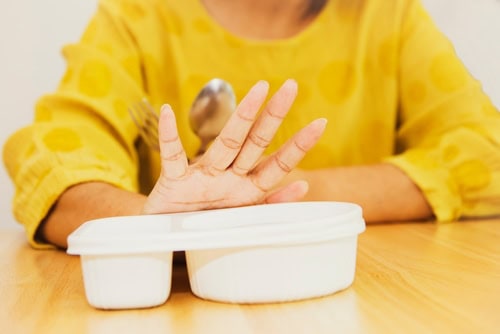
Although these medications help regulate hunger signals, muscles, bones and vital organs continue to require adequate protein, vitamins, minerals and energy to function properly.
When physical activity is added into the equation, nutritional demands can actually increase.
Without sufficient fuel, workouts may feel more difficult, recovery may take longer and maintaining lean muscle becomes increasingly challenging.
Why Fuel Matters Before Exercise
Many people exercising while taking GLP-1 medications choose to work out without eating beforehand simply because they don’t feel hungry.
While this may seem logical, training on an empty stomach can sometimes lead to fatigue, dizziness and reduced exercise performance, particularly during higher-intensity sessions.

A small, balanced snack before exercise may provide enough energy to support your workout without causing discomfort.
Carbohydrate-rich foods such as porridge, wholemeal toast, fruit or rice provide readily available energy, while including a modest source of protein can help support muscle maintenance.
Because GLP-1 medications can slow digestion, eating around one to two hours before exercise may also help improve comfort during training.
Recovery Starts After Your Workout
Exercise places demands on muscles regardless of whether the goal is weight loss, fitness or strength.
After activity, the body begins repairing muscle tissue while replenishing energy stores that have been used during exercise.

Protein plays an important role in this process, while carbohydrates help restore glycogen levels that fuel future workouts.
For people with a reduced appetite, recovery doesn’t necessarily require a large meal.
Options such as Greek yoghurt with fruit, a protein smoothie or eggs on wholegrain toast can provide valuable nutrients without feeling overwhelming.
Hydration Is Easy to Overlook
Reduced appetite is not the only effect some people notice while taking GLP-1 medication.
Some individuals also report drinking less simply because feelings of thirst appear reduced.

Even mild dehydration can contribute to fatigue, headaches and poorer exercise performance, particularly during warmer weather or more demanding workouts.
Developing a routine around regular fluid intake, rather than relying solely on thirst, can help support both exercise performance and overall wellbeing.
Every Meal Becomes More Important
When portion sizes naturally become smaller, the nutritional quality of each meal becomes increasingly significant.
Rather than focusing purely on calorie reduction, many nutrition professionals recommend prioritising nutrient-dense foods that provide protein, healthy fats, fibre and essential vitamins and minerals.
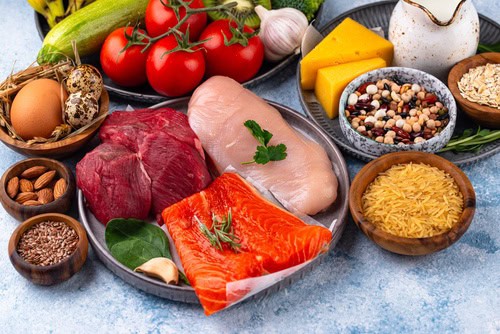
Foods such as eggs, oily fish, beans, lentils, Greek yoghurt, nuts, seeds, avocado and colourful vegetables can help support overall health while contributing to a balanced eating pattern.
This approach may also reduce the likelihood of nutritional deficiencies during prolonged weight-loss treatment.
Building Habits That Last Beyond Medication
Weight-loss medication can be a highly effective tool, but long-term success depends on the habits developed while using it.
Creating a sustainable routine that includes regular movement, balanced nutrition, adequate hydration and realistic portion sizes is likely to provide greater long-term benefits than simply eating as little as possible.
Exercise should support overall health, strength and wellbeing rather than becoming an additional reason to under-fuel the body.
By viewing food as an important part of recovery rather than something to avoid, people can help protect muscle, maintain energy and develop healthier routines that continue long after treatment has finished.
The Bottom Line
Weight-loss medication may reduce hunger, but it doesn’t reduce your body’s need for good nutrition.
For anyone exercising while taking GLP-1 medications, eating enough protein, including quality carbohydrates, staying hydrated and focusing on nutrient-dense meals can help support recovery, preserve muscle and make physical activity feel more sustainable.
Ultimately, the goal is not simply to eat less, but to nourish your body well enough to support both weight management and long-term health.
This article was inspired by nutritional guidance and expert commentary originally provided by Simple Online Pharmacy. It has been independently rewritten and adapted for Opulence Magazine.


