

3 Surprising Foods That Could Help Strengthen Your Bones and Teeth
When it comes to protecting your bones, most people think of milk, supplements, or simply “getting older” as the main factors.
But what if some of the most effective ways to support your bone health were already sitting in your kitchen—just not the foods you’d expect?
Osteoporosis, often described as a silent condition, affects millions across the UK. It develops gradually, weakening bones over time and increasing the risk of fractures—often without any obvious symptoms until it’s too late.
And while age plays a role, experts are increasingly pointing to something far more controllable: your diet.
Why Bone Health Isn’t Just About Bones
There’s a common misconception that bone health exists in isolation—but it doesn’t.
Your teeth and jawbone rely on the same nutrients as the rest of your skeleton. When bone density begins to decline, it can affect everything from your posture to your dental stability.
In simple terms, what strengthens your bones also protects your smile.
While calcium often takes centre stage, it’s not the only nutrient that matters. Vitamin D, protein, and anti-inflammatory compounds all play a part in maintaining bone strength and resilience over time.
And this is where a few unexpected foods come in.
The Overlooked Superfood in Your Cupboard
Sardines might not be everyone’s first choice, but they’re one of the most nutrient-dense foods you can eat for bone health.
When consumed with their soft, edible bones, they provide a powerful source of calcium—alongside vitamin D, which helps your body absorb it effectively.
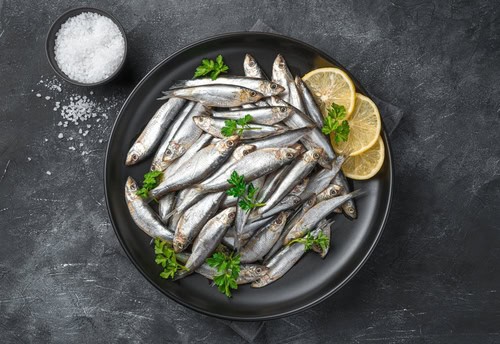
They also contain omega-3 fatty acids, which may help reduce inflammation in the body, supporting both bone and gum health.
It’s a small addition to your diet, but one that delivers significant benefits.
The Sweet Snack That Supports Bone Density
Prunes aren’t typically associated with strength—but research suggests they may have a role in maintaining it.
Some studies indicate that regular consumption of prunes could help slow bone loss, particularly in women later in life. They contain compounds that appear to support bone metabolism, making them a surprisingly effective addition to your daily routine.
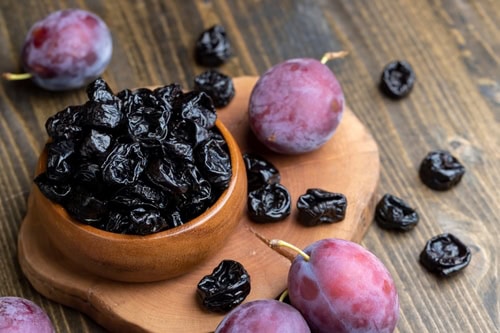
They’re easy to incorporate too—whether eaten on their own or added to breakfast or snacks.
The Plant-Based Option That Packs a Punch
For those who don’t consume dairy, tofu offers an excellent alternative.
Rich in calcium and often fortified with additional nutrients, it also provides protein—another key component in maintaining strong bones. Protein helps support the structure and repair of bone tissue, making it just as important as mineral intake.
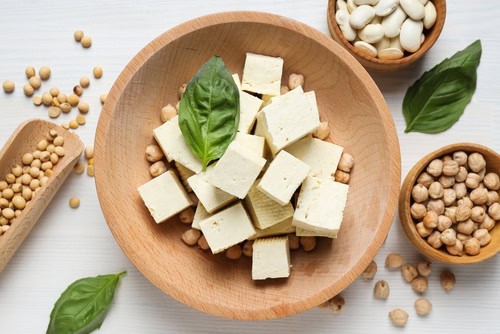
It’s a staple in many plant-based diets, but its benefits extend far beyond that.
Small Changes, Long-Term Impact
While no single food can eliminate the risk of osteoporosis, consistent dietary choices can make a meaningful difference over time.
Combined with regular exercise and a healthy lifestyle, these small additions can help support bone density, reduce the risk of fractures, and protect both skeletal and dental health.
Because when it comes to your body, strength isn’t just about what you do—it’s also about what you eat.
And sometimes, the most powerful changes are the simplest ones.
Expert commentary from Dr Andrej Bozic, oral surgeon at Dentum.
As one of the top luxury magazines in the UK, Opulence brings you the best in design, culture and trav


