
Why Your Perfume Doesn’t Last (And How to Make It Stay All Day)
There’s a quiet confidence that comes with wearing a fragrance you love.
It’s the final step before leaving the house, the detail that pulls everything together. But there’s one common frustration almost everyone shares—by mid-afternoon, that carefully chosen scent has all but disappeared.
The truth is, it’s not always the perfume’s fault.
How long a fragrance lasts depends on far more than the bottle itself. From the way you apply it to your skin type and even where you store it, small details can make a noticeable difference.
And once you understand how fragrance really works, keeping it with you all day becomes surprisingly simple.
Not All Perfumes Are Created Equal
One of the biggest misconceptions is that all perfumes should last the same amount of time.
In reality, longevity comes down to concentration.

Lighter fragrances, such as Eau de Toilette, are designed to be subtle and typically last a few hours. Eau de Parfum offers more staying power, while Parfum—rich in fragrance oils—can linger well into the evening.
If your scent seems to fade quickly, it may not be underperforming—it may simply be doing exactly what it was designed to do.
Your Skin Plays a Bigger Role Than You Think
Fragrance doesn’t just sit on your skin—it interacts with it.
Body temperature, hydration levels, and even your natural chemistry influence how a scent develops and how long it lasts. Warmer areas of the body help release fragrance gradually, while dry skin can cause it to disappear more quickly.
This is why the same perfume can smell—and last—completely differently from one person to another.
The Small Changes That Make a Big Difference
If you want your fragrance to last from morning to evening, the key lies in how you apply it.
Targeting pulse points—such as the wrists, neck, and behind the ears—allows the scent to develop more effectively thanks to the natural warmth of these areas.
Hydration is equally important. Applying perfume to moisturised skin helps lock in the scent, giving it something to cling to rather than evaporating too quickly.
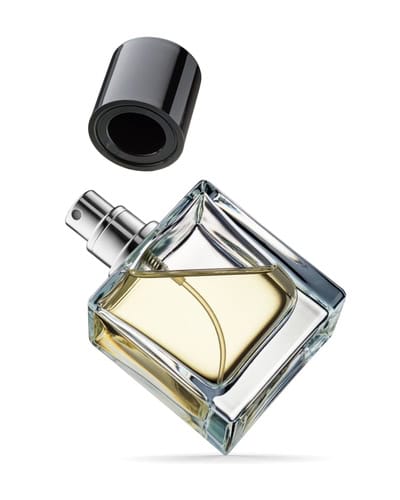
One of the most common mistakes? Rubbing your wrists together after spraying. While it feels instinctive, it actually breaks down the fragrance structure, causing it to fade faster.
Sometimes, the best approach is simply to let it settle naturally.
Beyond Skin: Where Else to Apply
While skin is the most common place for perfume, it’s not the only option.
Hair and clothing can hold fragrance for longer, offering a more subtle, lingering effect throughout the day. A light mist on fabric or a gentle spray through your hair can extend the life of your scent—but care is essential to avoid staining or damage.
Storage Matters More Than You Realise
Even when you’re not wearing it, your perfume is changing.
Exposure to heat, light, and air can gradually break down the fragrance, affecting both its scent and longevity. Keeping your perfume in a cool, dark place—away from direct sunlight—helps preserve its quality over time.
It’s a small habit, but one that can significantly extend the life of your favourite bottle.
Timing Is Everything
One of the simplest ways to improve longevity is also one of the most overlooked.
Applying perfume after a warm shower allows it to absorb more effectively, as your skin is clean, warm, and slightly more receptive. It creates the ideal base for fragrance to settle and develop.
A More Lasting Impression
Ultimately, making your perfume last isn’t about using more—it’s about using it better.
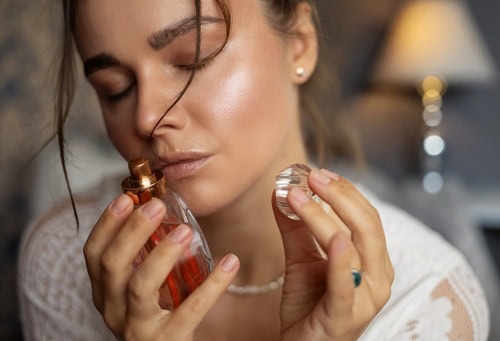
By understanding how fragrance interacts with your body and making a few small adjustments, you can transform how your scent performs throughout the day.
Because when a fragrance truly lasts, it becomes more than just a finishing touch—it becomes part of how you carry yourself.
With insight from Perfume Essence.
Opulence Magazine is proud to be a leading luxury magazine in the UK for modern tastemakers.


