
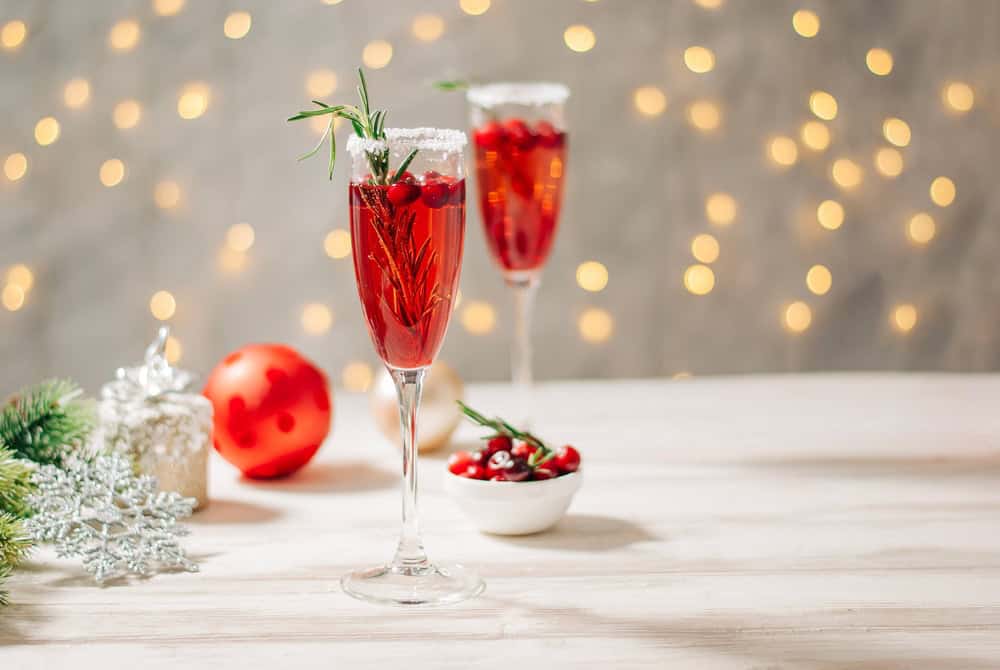
Almost two-thirds (64%) of UK drinkers say they consume more alcohol over Christmas compared to the rest of the year, with 57% likely to binge drink on Christmas Day alone¹. With wine, spirits and beer among the most commonly consumed festive drinks, many adults could be unknowingly consuming thousands of additional calories during December.
With the festive season in full swing, the team at ZAVA analysed different alcoholic beverages to create a comprehensive drink guide, helping drinkers make more informed (yet still enjoyable) choices.
The most calorific alcoholic drinks
| Rank | Drink | Sugar (grams) | Calories per serving |
| 1 | Piña Colada | 58g | 320 |
| 2 | Margarita | 13g | 248 |
| 3 | Espresso Martini | 20g | 225 |
| 4 | Lager | <2g | 220 |
| 5 | Guinness | 0.6g | 210 |
| 6 | Long Island Iced Tea | 27g | 207 |
| 7 | Pimm’s | 25g | 169 |
| 8 | Hugo Spritz | 0g | 137 |
| 9 | Aperol Spritz | 19g | 125 |
| 10 | Red Wine | 3g | 123 |
Find the full dataset here.
Social pressures often drive higher alcohol consumption during the holidays, with nearly one in five UK employees (18%) feeling extra pressure to drink at work parties, with friends (16%) and family (10%) adding to the festive influence². These social occasions frequently coincide with some of the most calorific cocktails.
Leading the pack, a Piña Colada contains 320 calories and 58g of sugar per serving, a hefty addition during a period where many are already drinking more than usual.

The Margarita follows with 248 calories, while an Espresso Martini comes in at 225 calories, with its creamy, high-fat base adding even more ‘empty calories,’ making it a popular choice at Christmas gatherings.
The doctors at ZAVA discuss the empty calories hiding in alcoholic beverages:
“Drinking alcohol means adding ‘empty calories’ (calories that don’t come with nutritional benefits) to your total calorie intake. These extra calories are converted to fat and stored in the body, which leads to weight gain over time. When consuming these beverages becomes a habit, the risk of obesity and diabetes (type 2) increases.
“When you start metabolising (breaking down) the alcohol in your body through your liver, it stops releasing glucose. This can cause low blood sugar. High alcohol intake, especially on an empty stomach, lowers your blood sugar levels, causing you to feel lightheaded or dizzy, shaky, irritable and tired.”
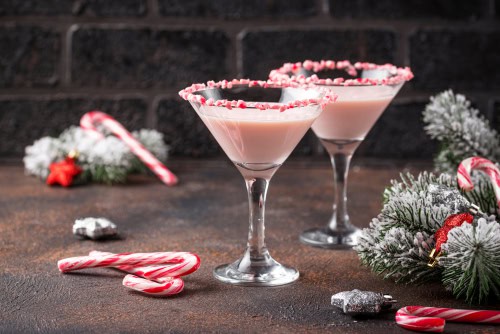
Not a drinker? Non-alcoholic beverages can be surprisingly high in sugar and calories, too
Even if you’re avoiding alcohol this festive season, some popular non-alcoholic drinks pack a surprising calorie punch. Zava’s analysis reveals that energy drinks, fruit juices, and even flavoured waters can contribute significantly to sugar and calorie intake:
| Rank | Drink | Sugar (grams) | Calories |
| 1 | Energy Drink | 78g | 335 |
| 2 | Orange Juice | 51g | 229 |
| 3 | Grape Juice | 42g | 175 |
| 4 | Lemon Water | 21.3g | 96 |
| 5 | Guinness 0.0 | 3g | 71 |
Key takeaways:
- Energy drinks top the chart with 335 calories and 78g of sugar per serving, more than some of the most calorific festive cocktails.
- Fruit juices can also contribute to high sugar levels, with a single glass of orange juice containing 51g of sugar.
- Even ‘healthy’ flavoured waters can add up, such as lemon water with 21.3g of sugar.
Weight Loss Tips for the Festive Season: Expert Advice for Party-Goers


