

Coastal properties across the Isle of Wight offer a distinct setting for refined outdoor design. The proximity to the sea, combined with generous light and space, encourages homeowners to think beyond interiors. Outdoor areas are increasingly treated with the same attention to detail and purpose as internal spaces.
Designing these spaces to reflect personal style while respecting the coastal environment requires more than aesthetic preferences. Thoughtful planning, material choices, and plant selections are part of creating a space that functions well and complements its surroundings. These choices should reflect comfort and resilience, balancing beauty with utility, and here’s why.
Designing Outdoor Spaces with Intention
Outdoor living has shifted in focus. More property owners are investing time and resources into transforming gardens, terraces, and courtyards into practical spaces for daily use. It’s not just about appearance; function is key.
Consider how the space will be used throughout the year. Areas for dining, lounging, or quiet reflection each have different requirements. Seating, lighting, shelter, and access routes all need to be tailored. Layering hard surfaces with soft textures can provide comfort without compromising durability.
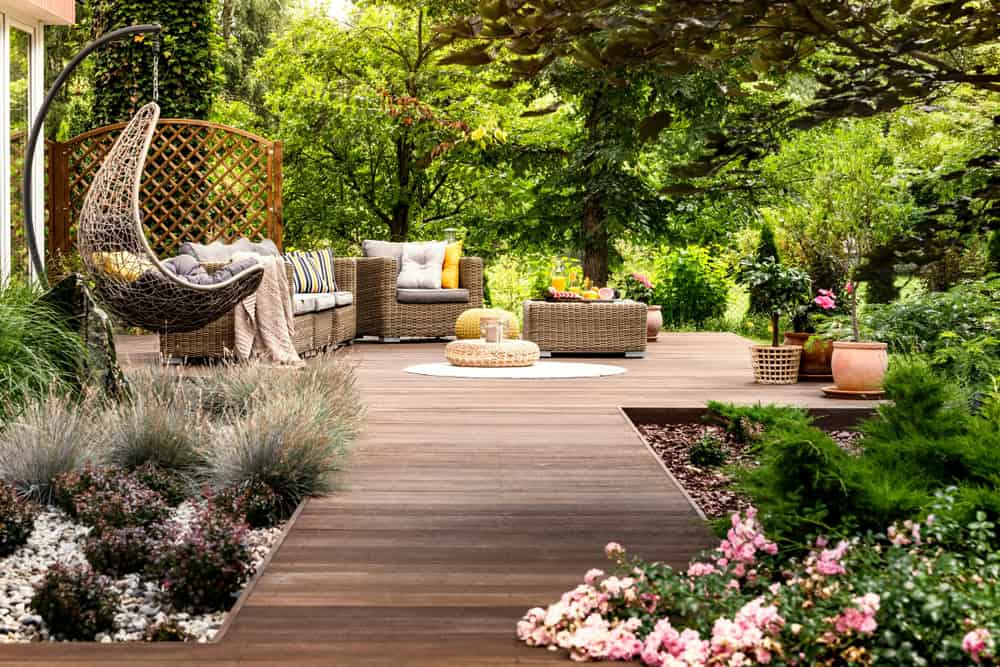
Zoning also plays an important role. Separating active and quiet areas using planters, screens, or changes in ground materials helps define purpose without building permanent structures. Choosing finishes that weather well in coastal conditions ensures the space remains attractive through all seasons.
Tailoring Design to the Coastal Environment
Properties across the Isle of Wight benefit from exposure to fresh air and ocean light, but these factors can influence outdoor design more than expected. Salt levels in the breeze, strong sun in summer months, and damp winters create specific demands on materials and planting schemes.
Furniture should be made of materials that resist corrosion and don’t absorb too much moisture. Wood treatments, powder-coated metals, and stone handle the elements well if properly maintained. Lightweight fabrics designed for marine environments can add texture without the risk of early fading or decay.
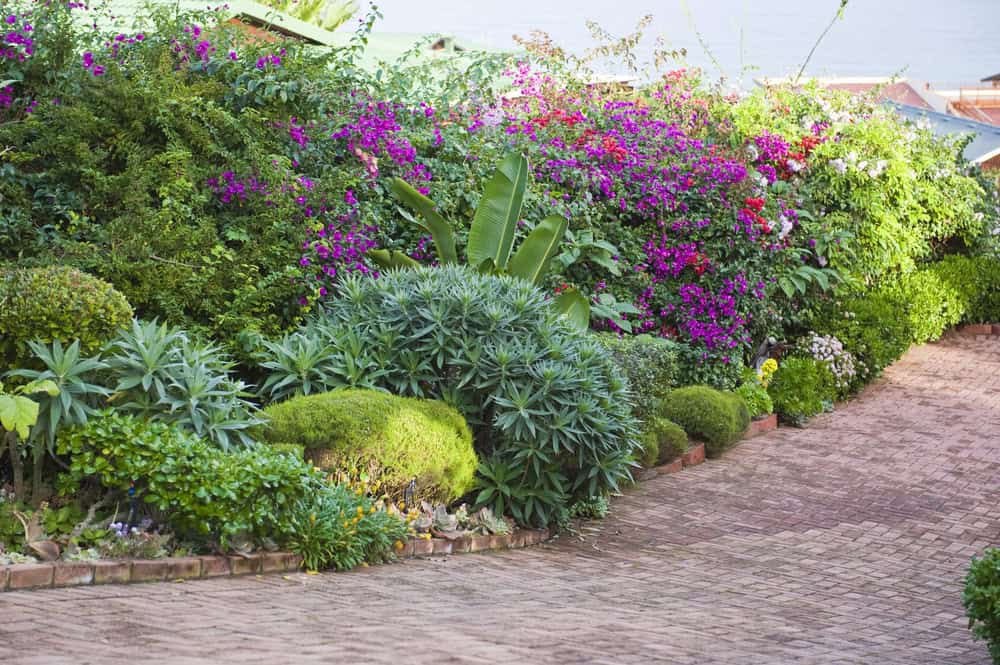
When designing a landscape, it’s worth consulting a professional who understands the setting. For those who need help finding an Isle of Wight gardener who understands the specific requirements of coastal design, working with a locally reviewed provider ensures that decisions will stand up to long-term use. Choosing someone familiar with the region’s microclimates can save both time and money, especially when sourcing plants or preparing soil.
Smart Planting Choices for Coastal Conditions
Plant selection is one of the more nuanced aspects of garden design. It’s tempting to focus on visual appeal, but without considering resilience, a garden can become expensive to maintain. Gardens exposed to salt, wind, and strong sun require species that cope well in harsher settings.
Low-maintenance choices such as ornamental grasses, lavender, and sedum provide structure without requiring constant attention. For colour and texture, native flowering varieties handle the conditions better than exotic imports. Many Isle of Wight gardeners will suggest combining hardy perennials with seasonal accents, making it easy to refresh the space without starting over each year.

Soil conditioning is also a key step. Coastal plots can be sandy, stony, or retain water poorly. A good gardener will check the structure before planting anything permanent. Raised beds or containers can work well where ground conditions are less than ideal. Matching the planting style to the natural character of the location will make maintenance easier and improve the overall success rate of what’s grown.
Features That Add Practical Luxury
Garden upgrades no longer mean just a shed or barbecue. There are many ways to introduce refined functionality outdoors without turning the space into an extension of the house. The aim is to support how you want to live, not duplicate indoor habits.
Outdoor kitchens with covered preparation zones are growing in popularity. Paired with built-in seating and subtle lighting, they create versatile entertaining areas that feel complete. If privacy is important, decorative screens or evergreen hedging can shield a space without making it feel enclosed.

Investing in a water feature for your garden introduces a sense of calm to your outdoor space. Regardless of the size of your space, there are many water features that vary in size, so you will likely find one to fit. It could be a small plunge tub or trickling water element; whichever you choose, it can shift the atmosphere and improve the outdoor experience.
As always, the key is considering placement carefully. Every feature should fit into the broader plan and not overwhelm it. Materials should coordinate with those used elsewhere around the property to maintain continuity.
Furniture and Finishes That Withstand the Elements
Furnishing an outdoor space should involve more than selecting attractive pieces. Each item should be suited to regular use and adapted to the environmental conditions. Comfort is important, but without choosing the right materials, replacements might become frequent.
Teak, rattan alternatives, and durable metal frames all hold up well if cleaned and protected occasionally. Cushions should be covered in fade-resistant fabric and stored when not in use. Modular designs allow for flexibility, which is especially useful on smaller plots.
It’s also worth thinking about how the space is used throughout the day. Shaded seating areas, freestanding umbrellas, and retractable awnings can help make summer afternoons more pleasant. During cooler months, portable heat sources or sheltered nooks extend usability without expensive installations.
Finishing touches like decorative pots, lanterns, or outdoor rugs pull the space together and make it feel more complete. These don’t need to be extravagant, but they should be weather-friendly and easy to care for.
Bring Your Garden Vision to Life
Every outdoor space has the potential to enhance daily life when designed with care. On the Isle of Wight, where natural surroundings already offer so much, thoughtful planning can turn a patch of lawn or a plain terrace into something far more enjoyable.
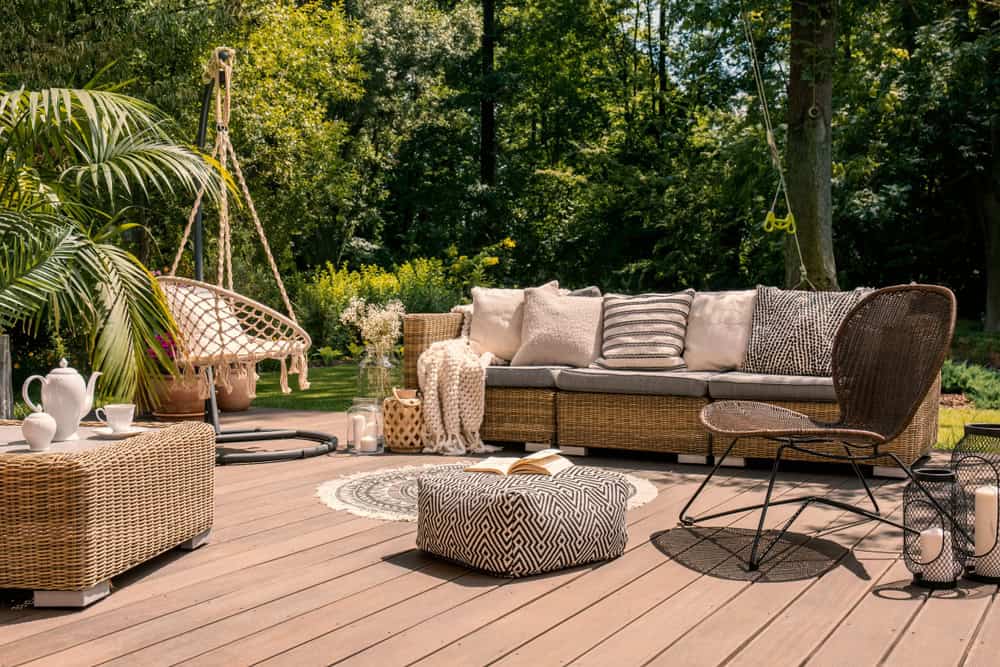
Start with what you need from the space. Then consider how the environment may shape those choices. Durable materials, smart plant selections, and flexible furniture all contribute to creating a garden that supports your lifestyle.
Refine Your Outdoor Living Space with Confidence
Shaping an elegant garden isn’t about trends or grand gestures. It’s about understanding your space, choosing materials and features that hold up over time, and adding finishing touches that suit how you live.
Explore what works best for your location. Take inspiration from coastal surroundings. If needed, speak with someone who knows the area well and can offer tailored advice. Your outdoor space deserves the same thought and care as any other part of your home.


