
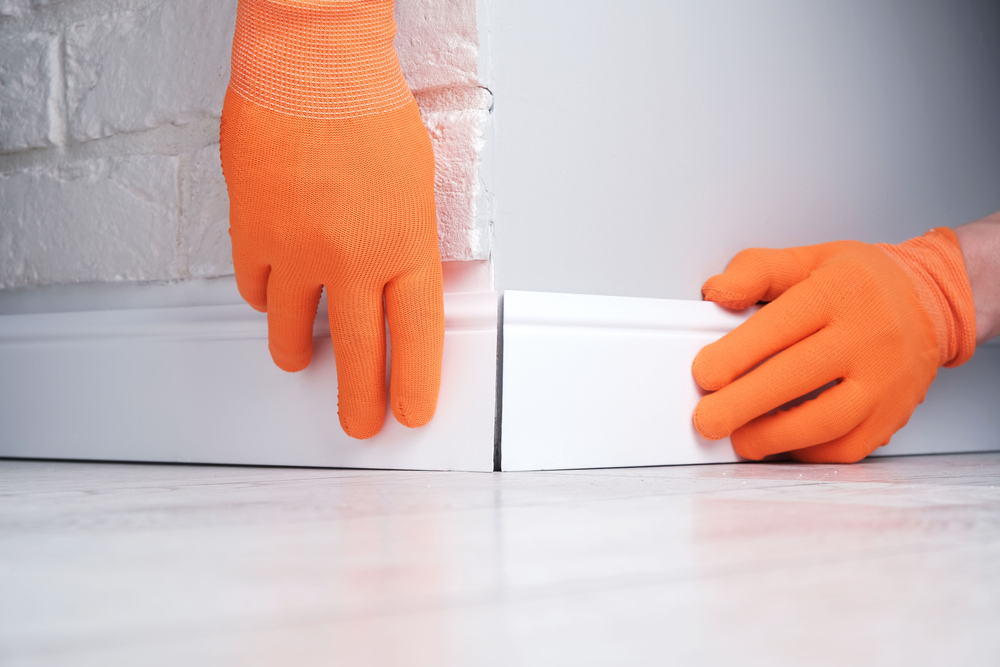
When most people think of the word “skirting,” they instantly picture a neat border between walls and floors inside a house. However, there is a place for it even outdoors, it accomplishes the dual task of functionality and aesthetics. Whether one is sprucing up a deck, or adding finishing touches to a porch, skirting is important for outdoor design. In this article, we will examine exactly what skirting is, its benefits, and factors to consider when choosing an outdoor skirting.
When most people think of the word “skirting,” they instantly picture a neat border between walls and floors inside a house. However, there is a place for it even outdoors, it accomplishes the dual task of functionality and aesthetics. Whether one is sprucing up a deck, or adding finishing touches to a porch, skirting is important for outdoor design. In this article, we will examine exactly what skirting is, its benefits, and factors to consider when choosing an outdoor skirting.
What is Skirting?
Skirting can best be defined as a panel that runs at the base of a structure used to hide the space between the bottom edge of a building, deck, or porch from the ground. This has always been common in interior projects, but for exteriors, it offers much-needed protection, by hiding unsightly areas, and all round, enhances aesthetics in the space. It is like the icing on the cake that completes the picture perfectly.
Why Use Skirting in Outdoor Spaces?
- Protection from External Elements
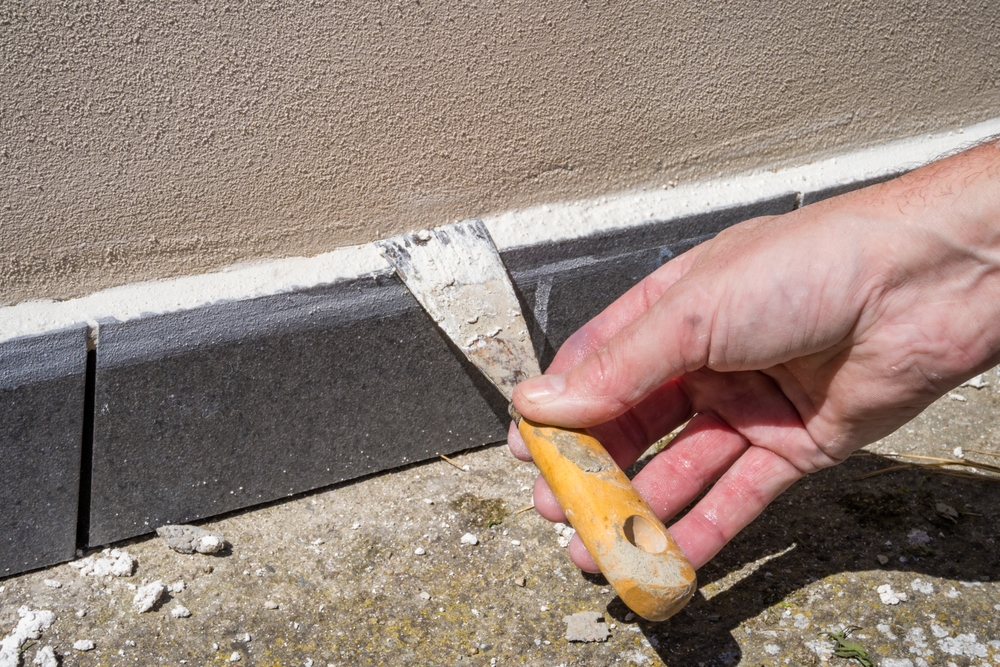
The primary reason for skirting in an outdoor space basically revolves around the idea of protection. Skirting keeps out moisture and prevents critters from making a home under your deck, by closing any exposed space. This ensures that your area looks neat, it also helps protect your outdoor space, by maintaining structural integrity.
- Enhances Aesthetics
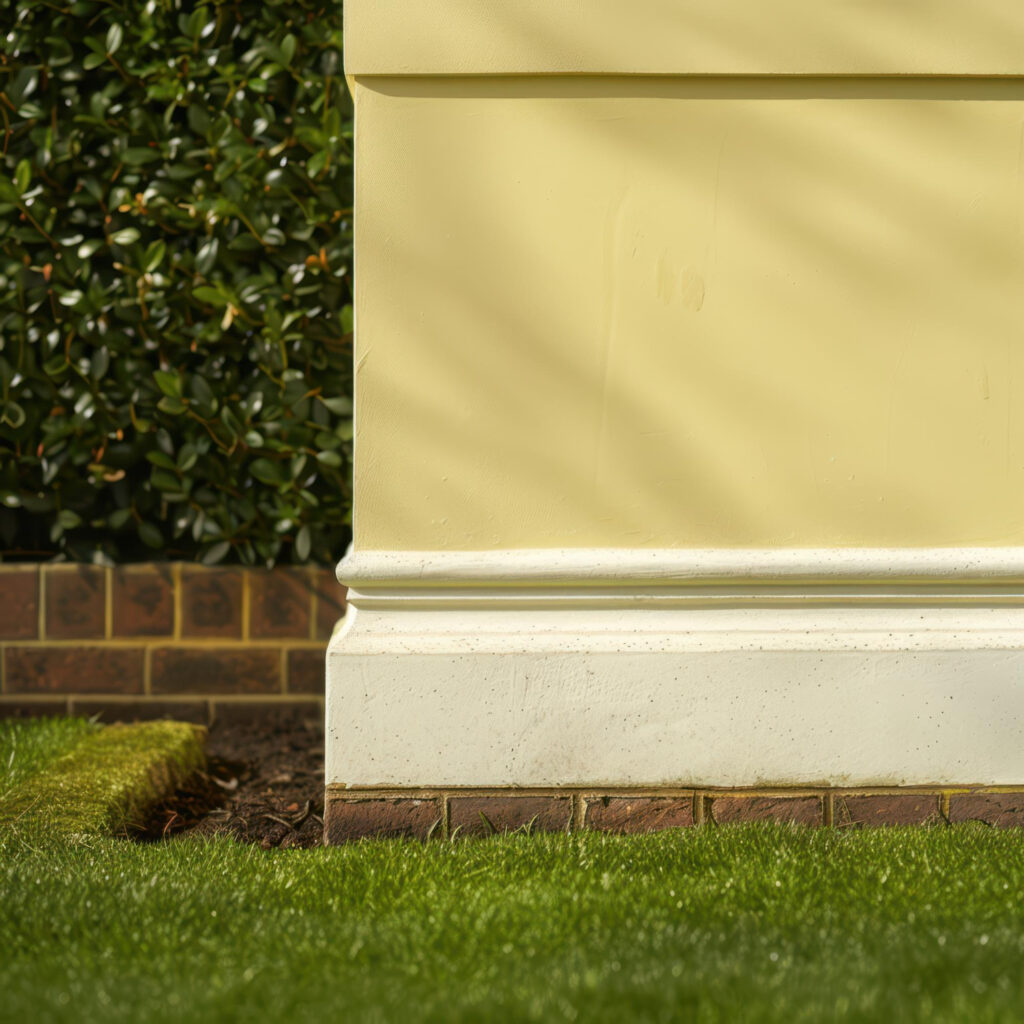
Be honest, who really enjoys the view of the bottom of most decks or porches? Exposed foundations or support beams do little for the exterior appeal of your home. Skirting allows one to enclose these areas, giving a much more finished appearance. Properly designed with the right material, MDF skirting mouldings can blend into the exterior of your home, really enhancing its curb appeal.
Skirting may also provide some insulation value. Covering the space beneath your deck or porch minimises the effects of temperature changes under the deck. The insulation comes in handy should one decide to utilise the space for storage. Skirting also protects the deck from frost heave.
What to Consider When Choosing Outdoor Skirting
In choosing outdoor skirting, consider the factors below:
- Durability
Exterior skirting needs a very high level of durability, as it is exposed to outdoor conditions, and should have the attributes to withstand forces of nature such as wind, rain, snow, and exposure from the sun. Some materials like metal and composite are very durable, compared to wood, which eventually demands a little effort to maintain.
- Maintenance
Consider how much you are willing to invest in skirting maintenance. Wood needs to be frequently stained or painted to avoid moisture as well as pests. Vinyl and composite, on the other hand, are easy-care alternatives needing only an occasional wash.
- Cost
Budget is always a consideration when beginning a home improvement project. Skirting is available at a broad array of price points: wood is more affordable initially, but with its maintenance might turn out to cost more over time. Composite and metal might have an initial higher cost, but can often be very cost-effective over the long run, because they require less maintenance and are more durable.
- Aesthetics
Your skirting should match your home’s exterior. What colour, texture, or style has your home been created with? Do you need the skirting to contrast or be a feature? The correct skirting can increase your home’s curb appeal and make it appear more finished and cohesive.
Final Thoughts
No matter if you are protecting your deck from the elements, adding a bit of insulation, or simply making your home look a bit better, skirting can be used outdoors, and is a valuable addition to any outdoor design.


