

Venturing into the world of vintage wine investment, much like playing slots online, offers a blend of excitement and potential profit. This guide navigates through the intricacies of identifying, storing, and profiting from investment-grade wines, turning a passion for fine wines into a strategic investment opportunity akin to the thrill of online gaming, or to getting behind the wheel of a brand new high-performance car.
Identifying Investment-Grade Wines
Investing in vintage wine begins with understanding what makes a wine “investment-grade”. Unlike ordinary wines, these are often from well-known vineyards with a history of producing wines that age well and increase in value. The first step in identifying such wines is to focus on renowned wine regions like Bordeaux, Burgundy, and Tuscany, where the climate and soil have consistently produced exceptional vintages.
Vintage quality is paramount. The best investment wines are typically from years when the grape harvest was exceptional. This quality is often indicated in wine ratings and reviews by experts, which can serve as a valuable guide.
Rarity also plays a crucial role. Limited edition wines, or those produced in small quantities, are often more sought-after, driving up their resale value. Similarly, wines with a significant ageing potential, which improve and develop complexity over time, are more likely to attract collectors and investors.
The reputation of the producer is also crucial. Wines from established, prestigious wineries with a history of excellence tend to maintain or increase in value over time. These wineries have a proven track record of quality and consistency, making their wines a safer investment choice.
Storing Your Wine Investment
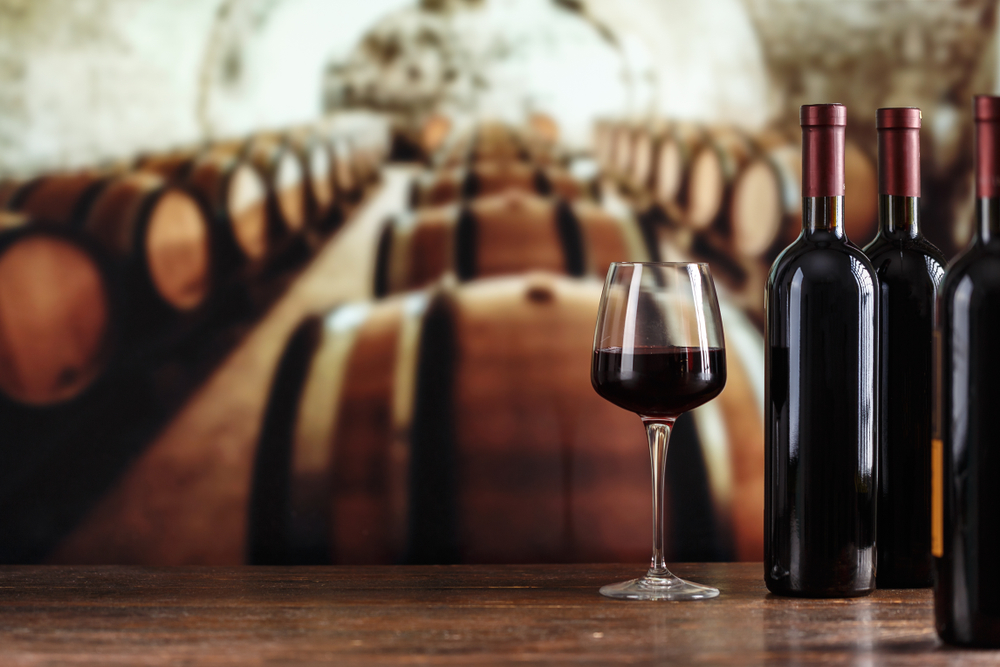
Proper storage is a crucial aspect of wine investment. The conditions under which wine is stored can significantly impact its quality and, consequently, its value. Ideal storage conditions involve a consistent temperature, typically around 12–14°C (55–57°F). Fluctuations in temperature can cause the wine to age prematurely, negatively affecting its taste and value.
Humidity is another important factor. The ideal humidity level for wine storage is between 60 and 70%. This level helps keep the cork in good condition, preventing it from drying out and allowing air to enter the bottle, which can spoil the wine. Conversely, too much humidity can lead to mould growth, which can damage both the label and the wine itself.
Light, especially sunlight, can be detrimental to wine, as it can degrade and prematurely age it. Therefore, wines should be stored in a dark place or in a cellar with controlled lighting. Vibration is another enemy of wine, it can disturb the sediment in older wines and disrupt the ageing process. A stable environment is essential for long-term storage.
How the wine is positioned matters too. Bottles with corks should be stored on their sides to keep the cork moist, preventing it from shrinking and allowing air into the bottle. In contrast, screw-capped wines can be stored upright.
Selling and Managing Your Wine Portfolio
Selling your wine investment at the right time and price is as crucial as the initial acquisition. To achieve this, staying informed about the market trends and understanding the best timing for selling are key. Typically, fine wines reach their peak value maturity between 10 and 30 years, depending on the type and vintage. However, this is not a hard rule, and market demand can significantly affect the ideal selling time.
Building a relationship with a reputable wine broker or auction house is a good strategy. They can provide valuable insights into the current market and help find buyers willing to pay a premium for your wine. Online wine auctions have also become a popular platform for selling high-end wines, offering a global reach to potential buyers.
Managing a wine portfolio requires a balance between diversification and specialisation. Diversifying across regions, vintages, and types can mitigate risk, but specialising in certain areas where you have more knowledge can lead to more informed buying and selling decisions. Keeping detailed records of purchases, storage conditions, and valuations is essential for effective portfolio management.
Finally, consider the tax implications of selling your wine. In many jurisdictions, profits from wine sales are subject to capital gains tax. Consulting with a financial advisor who understands the nuances of wine investment can help in planning and reducing potential tax liabilities.


