

The world of supply chain management is evolving rapidly, and the demand for efficiency and precision is at an all-time high. Businesses and brands that operate in the industry are becoming more aggressive in their pursuit of excellence and dominating their niche — and that is a good thing.
One popular trend that is causing so much buzz and pricking the interests of supply chain stakeholders is the use of direct thermal RFID labels to streamline processes, minimise errors, and ensure a seamless flow of the products and goods from point A to point B. But what are they, and how is this technological innovation reshaping supply chain management?
Let us take a closer look, shall we? Before we dive in, it will help if you keep an open mind and do not let the technical terms confuse or scare you. We will make it incredibly easy for you to understand what these types of direct thermal labels are and how they work.
Let us begin with the core components of direct thermal RFID labels.
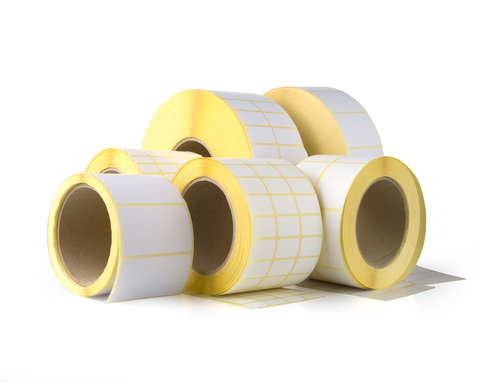
As you can imagine and as the name implies, direct thermal RFID labels are a product of two amazing technologies: Direct Thermal Printing and Radio-Frequency Identification (RFID).
While each of these technologies is unique, they come together to create a formidable tool for supply chain optimisation.
On one hand, direct thermal printing allows you to print labels without having to worry about ink, toner, or ribbons. The beauty of this technology and its benefits is reflected in its minimal consumable requirements, reduced maintenance, and the production of sharp, long-lasting/durable prints.
On the other hand, “Radio-Frequency Identification (RFID)” serves as a bridge that enables super fast and real-time data exchange. This exchange of data is done between RFID tags and RFID readers.
Not to bore you with tech jargon, the tags are fitted with a microchip and an antenna, capable of storing and transmitting information.
What makes this technology stand out is its incredible ability to ensure real-time tracking, identification, and data acquisition, all without the necessity for direct line-of-sight scanning.
Combined, both technologies offer a robust solution for dealing with major challenges in supply chain management.
So, what are the top 3 advantages of direct thermal RFID labels in supply chain management?
1. Real-Time Visibility
As we hinted earlier, Direct Thermal RFID Labels, thanks to the fusion of RFID technology, offer amazing real-time visibility of products throughout the chain or journey.
You can get important information about any package with this technology, like the location and status of products or assets, without the need for manual tracking. What this does is significantly reduce the risks of loss, theft, and logistical hiccups.

2. Precision and Accuracy: Error Reduction at Its Best
One cannot compromise precision and accuracy when operating in the supply chain space. These are two important factors that determine your efficiency and how your clients see you.
While manual data entry exposes you to errors, RFID technology automates the data collection and dramatically reduces the margin for error.
With this tool in your arsenal, you can boast of precision and reliability in your tracking and inventory management while also guaranteeing your clients their data’s integrity.
3. Cost Reduction
In addition to saving time and resources, which enables accelerated inventory management, using this type of label helps you reduce the cost of streamlining your operations.
This automation, coupled with increased accuracy, will save you lots of money you can channel into other important aspects of your business and ramp up profits.
Here are specific use cases that highlight their versatility:
In addition to inventory control and asset tracking, as we mentioned earlier, other use cases of these amazing direct thermal labels include but not limited to:
- Product Authentication
In industries susceptible to counterfeit goods, such as pharmaceuticals and luxury products, Direct Thermal RFID Labels can help verify product authenticity and protect your brand integrity and consumer safety.
- Cold Chain Management
In the food and pharmaceutical industries, where temperature-sensitive products are handled almost every second, RFID labels can help monitor and record temperature variations during product transit, safeguarding product integrity.
- Quality Control
Direct Thermal RFID Labels facilitate the tracking of quality control data throughout the manufacturing and distribution process. This guarantees product quality and adherence to industry standards.
The implementation of these labels, although seemingly intricate, has the potential to be a game-changer for businesses across a multitude of industries.
Whether you operate in retail, manufacturing, logistics, or any other sector, harness the power of Direct Thermal RFID Labels to catapult your supply chain management to new heights.


