

Studies have found that having plants in your bedroom can have a positive effect on both your mood and health and can also help reduce symptoms of seasonal affective disorder, (something that many people are experiencing right now with the darker nights.)
Not only are plants generally considered beneficial to have in your room for various reasons, some actually release sleep inducing properties and so when placed in your bedroom, can help you get a better night’s sleep, and sleep is the foundation of good health.
Here, Martin Seeley, Sleep Expert and CEO of MattressNextDay shares 7 plants you should have in your bedroom to promote a good night’s sleep.
- Jasmine

Jasmine plants are fairly small, and have pretty white flowers that give off a tranquil and fresh energy. The scent from a jasmine plant is sweet, and is often used in essential oil to help with relaxation. Studies and extensive research have found that this specific scent is linked to improved sleep quality and reduced anxiety and stress levels. Jasmine plants are also easy to keep and require little maintenance, they are small enough to be placed on a windowsill or bedside table, and their appearance helps you to feel calm and relaxed.
- Snake plant

The snake plant, which is fairly small but has long, thick, snake-like stems is a fantastic plant to have in your bedroom as it offers a number of different benefits. It pumps out oxygen into your room, acts as a natural air purifier, filters indoor air, removes toxic pollutants and has also been found to boost mental health. The snake plant could help you to sleep better as it is known to remove harmful chemicals from the air such as toluene, trichloroethylene, xylene and benzene. High humidity can often increase the likelihood of mould and dust mites, which can affect your breathing and leave you with a poor night’s sleep – so a snake plant works against this and helps to keep your air pure. Again, a fairly small plant, this can be placed in most areas of your bedroom and does not require too much work.
- Aloe Vera

Aloe vera is known for its skin healing properties, especially sunburn, but did you know that it also helps us to get a better night’s sleep? Aloe vera releases oxygen during the night, which helps to purify the air and allows us to breathe easier as we sleep. It was also named one of the best plants for air purification in this NASA study. Aloe vera is also a very low maintenance plant and does not need much water or sunlight at all.
- Lavender
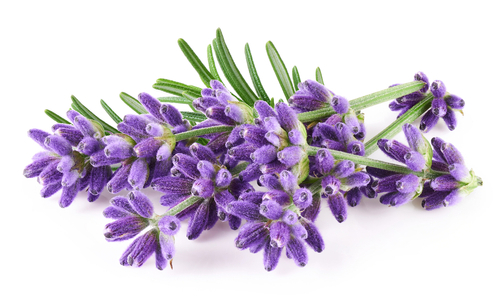
Lavender is a scent which is often associated with relaxation and sleep, so it’s no surprise that this is a good plant to have in your bedroom to promote sleep and help you to feel zen of an evening. Scientifically, Lavender has been proven to lower your blood pressure, heart rate and stress levels, which is beneficial if you find that you struggle with anxiety in the evening. Many people use lavender sprays on their pillows and bedding, some may use it as an essential oil in they’re bath, or some keep pouches of dried lavender in their room, but having a lavender plant goes one step further – plus they offer a beautiful purple colour, and purple is often associated with relaxation.
- Spider plant
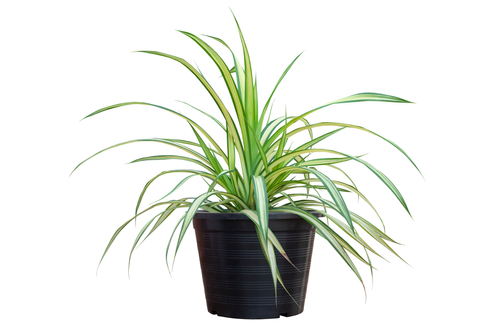
The spider plant, which has long wiry stems which branch out to look quite funky, are a perfect addition to the bedroom, not only because of they’re relaxed nature, but also because they are the most effective out of all house plants for air purification, and they improve sleep by cleaning the air we breathe. NASA studied a crop of spider plants and found that the plants removed 95% of the toxins present within 24 hours, and performed better than other house plants.
- Gardenia
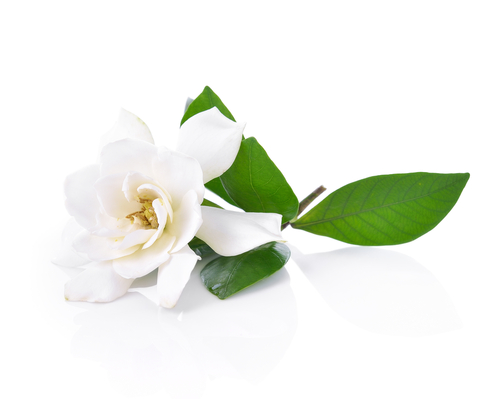
The gardenia, which blooms a beautiful white rose like flower, may be harder to care for in your bedroom as it is typically an outdoors plant, however it may be worth trying as this small but mighty flower has been noted to have sleep-inducing powers which could put Valium to shame. In fact, a study found that participants who were given crocetin, an active compound in the gardenia flower, had a better nights sleep than those who took a placebo. If you’re up for the challenge, you will need to take good care of your gardenia flower. When watering, the water should be tepid, not cold. You must feed every 1-2 weeks during spring and summer with a diluted liquid feed. During the autumn and winter months, you can feed once a month.
- Valerian
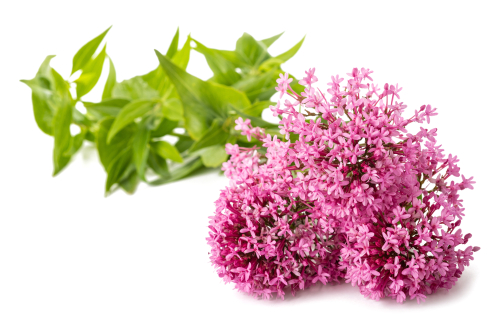
Valerian is a perennial flowering plant which has tall stems headed by white flowerheads made up of lots of blooms. Not only is it a wonderful plant to look at, it also offers a number of benefits including helping you sleep. Valerian is a herb that is commonly used as an ingredient in sleep aid supplements, because of its calming properties. Furthermore, valerian can also help you to relax and can help with feelings of anxiety. You can use valerian in a variety of ways to help you sleep, most people use the root of a valerian as this holds the most sleep inducing properties, you can either add some of the root to hot water to make a tea, inhaling the scent if valerian root has also been found to induce sleep, you can also add a few of the flower buds and petals to your bath.
Scientists aren’t 100% sure how the valerian plant works to help you relax and promote sleep, but it is believed that it increases a chemical called gamma aminobutyric acid in the brain, and this chemical helps to regulate nerve cells and calm anxiety. The gardenia plant needs roughly 6 hours of sun per day, so you are best to keep it on a window sill or a table which gets natural light.
Walk into 2023 and up your health game


