

How to Keep Your Prestige Car Looking Timeless
A prestige vehicle keeps its ageless appearance through careful maintenance, sympathetic restoration and close attention to small visual details. Regular washing helps, but lasting results come from protecting delicate finishes and dealing with early signs of wear before they become expensive problems. A considered routine can preserve the car’s original character while keeping its age far less obvious.
Paintwork Preservation and Ceramic Protection
Wash paintwork every two weeks using a pH-neutral shampoo, a clean wash mitt and separate buckets for washing and rinsing. Dry the surface with a soft microfibre towel, as air drying can leave mineral deposits behind.
A professionally applied ceramic coating forms a durable layer over the clear coat, making road film and bird deposits easier to remove. It can last several years when properly maintained, though it won’t prevent stone chips or careless washing marks.

Parking under cover also limits sun-related damage to paint and cabin materials. Inspect the body under bright, diffuse light each month so that fine scratches, tar spots and water marks can be treated promptly.
Removing Year Markers from Exterior Trim
Faded plastics, clouded lenses and neglected badges can make a well-maintained car appear older than its mileage suggests. Begin with a gentle clean and assess each material before applying a dressing or polish. The wrong product may leave glossy patches on trim that originally had a satin finish.

This detailed guide to cleaning and protecting exterior trim covers a practical process for lifting contamination and restoring colour. Replace cracked seals and damaged badges with manufacturer-correct parts where possible.
Registration styling can also affect perceived age. Owners who want a period-neutral exterior may consider dateless number plates, which can be assigned regardless of a vehicle’s registration date. Any replacement should suit the car’s proportions and understated character.
Restoring Cabin Leather and Natural Veneers
Clean cabin leather every three months with a product intended for automotive upholstery, working on one small section at a time. Apply cleaner to a cloth or soft brush instead of spraying it directly onto perforated seats, switches or contrasting stitching. Wipe away residue before applying a light conditioner suitable for the leather’s finish.
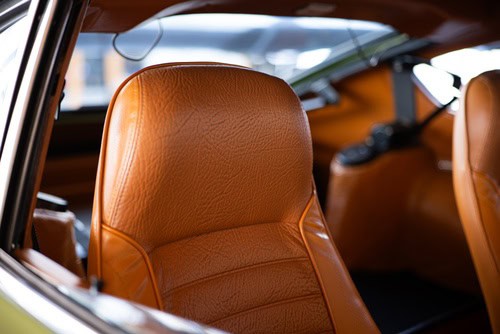
Creasing is normal, but deep cracks, colour loss and hardened side bolsters need specialist attention. A restorer can repair localised damage without recolouring an entire seat, helping retain the cabin’s original patina.
Dust natural veneers with a dry microfibre cloth and avoid household furniture polish. If the lacquer has become cloudy or split, professional refinishing usually produces a cleaner result than abrasive hand polishing, particularly around thin edges and inlaid details.
Wheel Care That Complements Body Lines
Clean wheels when they’re cool, using a non-acidic product that’s compatible with the finish. Work with separate brushes for the faces, barrels and tight areas around fasteners, then rinse thoroughly. Brake dust left in place can bond to lacquer and create dark pitting that becomes difficult to correct.
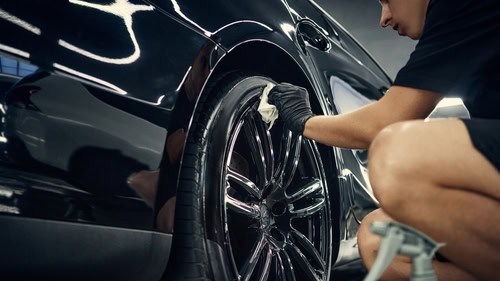
Inspect the wheels every few months for kerb damage, corrosion and missing protective lacquer. Refurbishment should reproduce the original shade and surface, as an overly bright silver or fashionable gloss finish can jar with restrained bodywork. Check tyre sidewalls at the same time and keep pressures at the vehicle maker’s recommended figures.
Finish with a wheel sealant to reduce brake-dust adhesion. Clean, correctly finished wheels sharpen the body lines and give the entire vehicle a more cohesive appearance.
The most convincing results preserve consistency across every surface. Paint, trim, upholstery and wheels should share the same level of care, with no single newly restored feature drawing attention away from the car as a whole. Keep dated photographs of each treatment so future maintenance can follow the same products, finishes and intervals.


