
Beyond Square Footage: What Really Makes a Luxury Property Valuable?
A high-end home derives much of its value from qualities that rarely fit neatly into a listing table. Floor area, bedroom numbers and recent sales still matter, yet they can’t fully express the appeal of morning light, discreet access or a view that will remain protected. For buyers, the challenge is to assess these qualities without allowing emotion to eclipse practical judgement. For sellers and advisers, it is to present them with enough evidence to support a credible asking price.
Rethinking Traditional Valuation Metrics
Conventional property valuation starts with measurable evidence. Comparable sales, price per square foot, condition, tenure and local demand provide a useful baseline. Problems arise when comparable properties share the same basic statistics but deliver very different living experiences.

A 2,000-square-foot apartment overlooking a quiet garden may command a different response from one of identical size facing a busy junction. Ceiling height, natural light and the relationship between rooms can also affect how generous a home feels. None of these features changes the recorded floor area.
The wider discussion around rethinking valuation highlights the limits of relying solely on familiar metrics. EY’s work on the property valuation process similarly shows how better data and technology can strengthen established methods.
When assessing a premium home, begin with the standard figures, then record the qualities those figures miss. Note outlook, noise at different times, privacy, architectural coherence and the likely scarcity of similar properties. This creates a more complete basis for comparison.
The Intangible Value of Setting
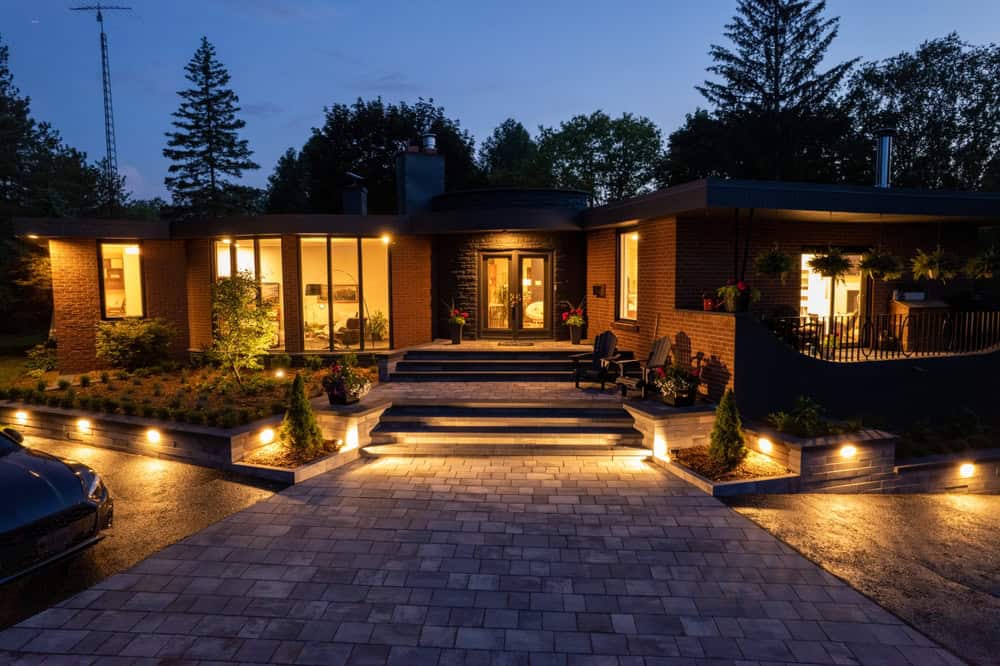
Setting extends beyond the prestige of a postcode. The position of a building within its street, the direction of its principal rooms and the character of the immediate surroundings can all shape daily life. Two homes separated by a few hundred metres may offer markedly different levels of light, traffic noise and seclusion.
Visit at several points during the day. Morning and late-afternoon appointments can reveal how sunlight enters the rooms, while an evening visit may expose noise that wasn’t apparent at noon. Look from every main window and consider whether nearby land could be developed. A beautiful outlook carries less long-term value if planning conditions make it vulnerable.

Finding a home that matches your lifestyle requires looking beyond price, floor area and bedroom numbers. A property search platform can help buyers explore available properties and narrow their options before arranging viewings. By comparing each listing against priorities such as privacy, natural light, outlook and everyday convenience, buyers can build a more focused shortlist and spend more time assessing the qualities that make a premium property distinctive. Online details should still be checked during an in-person visit, particularly when evaluating views, noise and the surrounding environment.
Treat the commute as part of the setting too. A property 20 miles from an office may prove more convenient than one 10 miles away if its route is direct, reliable and pleasant.
Using Smarter Discovery Tools
Digital property tools are most useful when they reduce unsuitable viewings. Start by translating broad preferences into testable search criteria. “Private” might mean that principal rooms aren’t overlooked within 30 metres. “Well connected” could mean reaching a regular destination within 45 minutes at the time you actually travel.
Map-based searches help reveal railway lines, major roads, public footpaths and development sites that polished photography may omit. Satellite imagery can clarify plot orientation and neighbouring density, although it may be months or years out of date. Check the date of the imagery before treating it as current evidence.

Save promising properties in groups based on lifestyle fit, not price bands alone. One group might prioritise walkability and culture, while another favours space and quiet. Comparing homes within these categories makes trade-offs easier to see.
Technology should guide the shortlist, then direct observation should test it. Measure the journey at a realistic hour, stand outside with the windows open and check mobile reception in rooms where you expect to work. Small checks can prevent a compelling listing from concealing an awkward daily reality.
Prioritising Emotion Over Room Counts
Emotion has a legitimate place in a luxury property decision because a home is experienced, not simply owned, and its value can be enhanced through home renovations. The first impression of a well-proportioned entrance, the calm created by a long garden view or the pleasure of afternoon sun may influence satisfaction for years. These reactions deserve attention, provided they are examined carefully.
After each viewing, record three immediate responses: where you felt most comfortable, what interrupted that feeling and which feature you would miss if another buyer secured the property. Complete this exercise before discussing finishes or negotiating tactics. It helps separate a genuine connection from excitement produced by staging.

Next, test that emotional response against ordinary routines. Picture arriving with shopping, working through a winter afternoon and hosting six guests. Consider storage, circulation and the distance between bedrooms and shared spaces. An extra reception room adds little if its position means it remains unused.
Room counts should therefore serve your way of living. A smaller property with an exceptional layout, enduring outlook and suitable location may offer greater personal value than a larger home whose compromises appear every day.
The strongest buying decisions combine evidence with a precise understanding of what makes a place feel distinctive. Before making an offer, write down the three qualities that can’t easily be renovated or added later, such as orientation, privacy and outlook. Those fixed attributes are often where the lasting value lies.


