
Put Down the Secateurs: 5 Garden Plants to Leave Alone This September
September has a habit of making gardeners want to tidy.
The exuberance of summer is beginning to fade, flowers are turning brown, stems are leaning at questionable angles and suddenly the garden that looked gloriously abundant a few weeks ago can start to feel decidedly messy.
The natural reaction is to reach for the secateurs.
But before you embark on an enthusiastic autumn clear-out, it’s worth knowing that some of those apparently finished plants are better left exactly where they are.
Allowing seed heads, stems and faded flowers to remain can provide winter structure, protect plants from colder weather and create valuable food and shelter for garden wildlife. And aesthetically, a garden doesn’t necessarily need to be stripped back to bare soil as soon as summer ends.
In fact, some plants arguably become more interesting as they fade.
Here are five plants worth leaving alone when you’re tackling the September garden jobs.
1. Hydrangeas
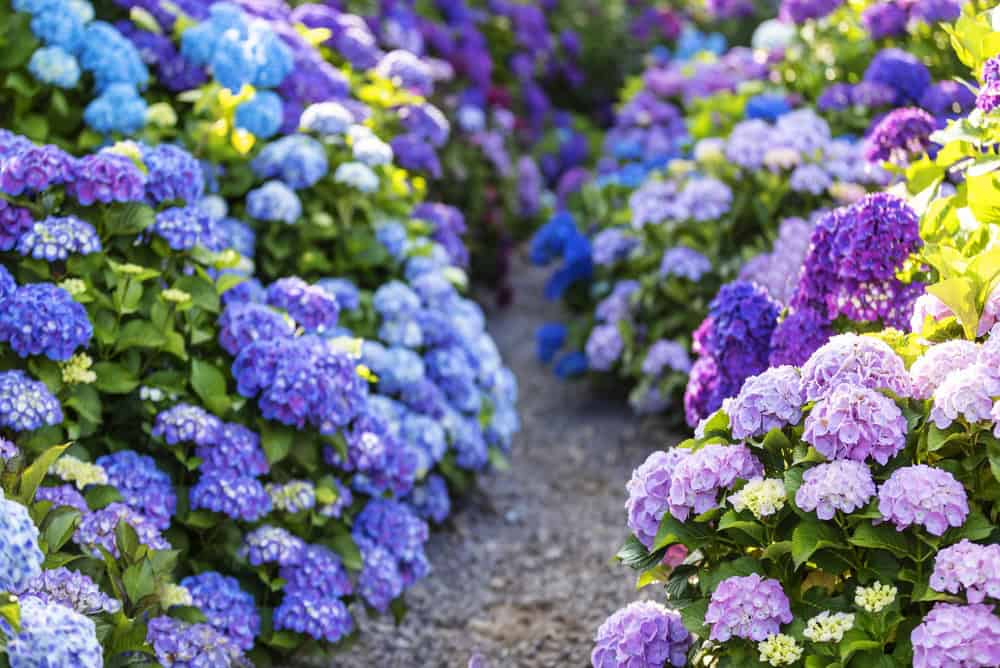
Those enormous hydrangea flowers might have lost their brilliant summer colour, but that doesn’t mean they’re ready for the compost heap.
Mophead and lacecap hydrangeas in particular are worth resisting when you’re wandering around with the secateurs.
As the flowers age, their colours gradually change into softer, muted shades before the heads eventually dry. Left on the plant, they can provide attractive structure long after many other flowers have disappeared.
There can be a practical advantage too. Leaving the old flower heads in place over winter can offer some protection to the tender new growth beneath.
Rather than deadheading everything in autumn, enjoy the dried flower heads through the colder months and deal with them when you’re carrying out the appropriate spring pruning.
2. Ornamental Grasses
If there is one group of plants that demonstrates why an autumn garden doesn’t need to be ruthlessly tidy, it’s ornamental grasses.
By September they may have become taller, looser and considerably less controlled than they were earlier in the year. Cutting them straight back, however, removes one of the garden’s best sources of winter structure.
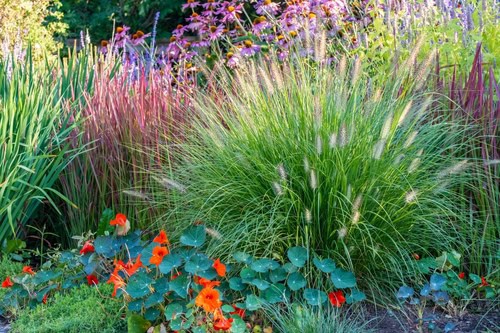
Their dried stems and flower heads continue moving in the breeze and can look particularly striking when illuminated by low winter sunshine.
Then there’s frost.
A coating of frost on ornamental grasses can turn something that looked slightly bedraggled in September into one of the most beautiful features of a winter garden.
Many deciduous ornamental grasses can therefore be allowed to remain standing through winter before the old growth is removed ahead of the new season.
3. Echinacea
Echinacea is another plant where the end of flowering doesn’t necessarily mean the end of its usefulness.
The colourful petals eventually disappear, leaving behind distinctive dark seed heads on upright stems.
Rather than cutting these down immediately, consider leaving at least some in the border.
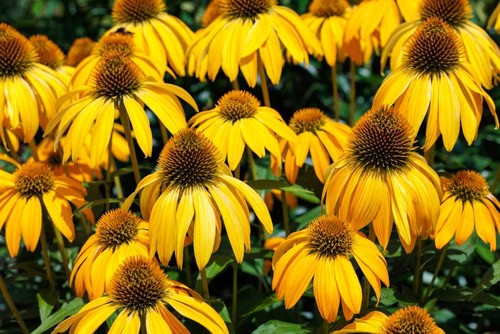
The architectural seed heads add height and texture when the garden starts losing much of its summer colour, while their seeds can provide a food source for birds.
There’s something rather lovely about watching birds feeding directly from plants you’ve grown, too.
Removing every faded flower might make a border look temporarily tidier, but leaving a selection of seed heads can make it considerably more useful.
4. Sedum
Sedum – including the autumn-flowering plants now botanically classified as Hylotelephium – earns its place in the garden long after its flowers first appear.
The flower heads gradually change as they age, moving from their fresh flowering colours into deeper, muted and eventually brown tones.
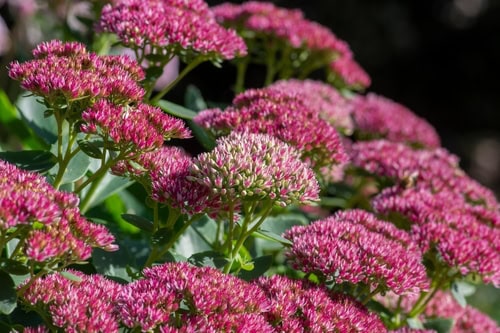
But their strong structure remains.
Left standing, those large dried flower heads can provide texture throughout autumn and into winter, particularly when covered with frost.
They’re also another useful habitat for insects and other small garden wildlife.
If you’re aiming for a garden that still looks interesting outside the traditional growing season, sedum is exactly the sort of plant you don’t need to be in a hurry to remove.
5. Lavender
Lavender requires a slightly different approach.
A light tidy after flowering can be useful, but September isn’t the moment to suddenly decide that an established woody lavender needs dramatically reducing.
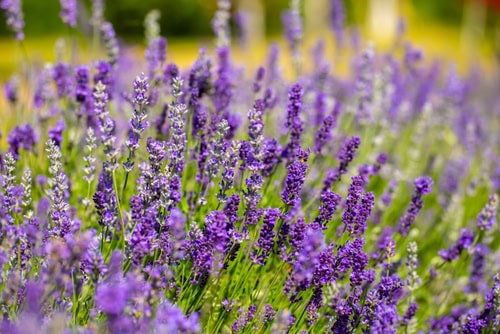
Lavender doesn’t reliably regenerate from old, bare wood, so cutting deeply into woody stems can leave you with a plant that struggles to recover.
If it needs tidying, concentrate on removing spent flowers and lightly shaping the softer growth rather than attacking the woody framework.
The aim is to maintain a compact shape without cutting so severely that healthy regrowth becomes difficult.
Why Leaving the Garden Slightly Messy Can Be a Good Thing
For years, traditional autumn gardening often involved cutting everything down, clearing borders and leaving the garden looking exceptionally neat before winter.
Increasingly, gardeners are recognising the benefits of being a little less enthusiastic.
Hollow stems, dried foliage and seed heads can provide places for insects to shelter. Seeds provide natural food for birds. Standing plants create structure and protect the soil, while some old growth can even provide additional protection around the plant itself.
There’s a visual benefit as well.
Without these plants, winter gardens can quickly become expanses of bare soil and empty borders. Leave grasses, seed heads and architectural stems standing and there is still something to look at – particularly once frost, mist or low winter sunlight arrives.
That doesn’t mean abandoning the garden entirely.
Diseased material should still be removed, weeds can be dealt with and plants that genuinely benefit from autumn pruning should receive the attention they need.
The difference is being selective rather than automatically cutting back everything that has stopped flowering.
Sometimes the Best September Garden Job Is Doing Nothing
Gardening encourages us to feel as though we should always be doing something.
September makes that particularly tempting. Summer is finishing, autumn is approaching and the urge to get everything neat and organised before winter can be difficult to resist.
But a faded flower isn’t necessarily a finished plant.
Hydrangeas can provide beautiful dried blooms. Ornamental grasses bring movement and structure. Echinacea offers seed heads for birds. Sedum continues earning its place long after flowering, while lavender can suffer if enthusiasm with the secateurs goes too far.
So before cutting something back simply because it looks past its summer best, consider what it might contribute over the months ahead.
Sometimes one of the best things you can do for your autumn garden is leave it alone.
Original expert commentary supplied by Jo McGarry, luxury garden design expert at Caragh Nurseries.
Explore more with Opulence, your luxury magazine in the UK for design, travel and sophisticated living.


