

Eating Less on Weight-Loss Injections? 10 Nutrient-Dense Foods Worth Adding
Weight-loss injections can change your relationship with food rather dramatically.
For many people taking medicines such as Mounjaro or Wegovy, suddenly not being particularly interested in finishing a meal is part of the point. Appetite reduces, portions become smaller and foods that once seemed irresistible can become surprisingly easy to leave on the plate.
But eating considerably less creates another question that deserves more attention: are you still getting enough nutrition from the food you do eat?
When your appetite is reduced, there is less room for foods that don’t bring much nutritionally to the table. Protein becomes particularly important, but so do fibre, calcium, healthy fats, vitamins and minerals.
And there’s another reason to pay attention to what’s on your plate. Weight loss doesn’t exclusively mean losing body fat. Some lean mass can be lost too, making preserving muscle an important consideration while losing weight.
The answer isn’t necessarily enormous protein shakes or forcing down a chicken breast when you’re already full.
It’s making smaller meals work harder.
Here are ten nutrient-dense foods worth considering if reduced appetite has made eating enough of the good stuff more difficult.
1. Skyr Yoghurt
If breakfast suddenly feels like far too much effort, Skyr is an incredibly useful fridge staple.
It’s naturally high in protein while being relatively compact, so you don’t need to eat an enormous bowl to add a meaningful amount of protein to your day.

Choose a plain variety and add berries for sweetness and fibre. A sprinkling of nuts, seeds or chia can increase the nutritional value further without dramatically increasing the volume.
It also works as a snack when a full meal simply doesn’t appeal.
2. Sardines
They may be small, but sardines are nutritional heavyweights.
They’re rich in high-quality protein and oily fish provides omega-3 fatty acids. When the soft edible bones are included, sardines can also provide calcium.

That’s an impressive amount of nutrition from a relatively small serving – precisely what you want when appetite is limited.
Try sardines on wholegrain toast with lemon, tomatoes and herbs, toss them through a salad or serve alongside roasted vegetables.
You don’t need an enormous plateful to create a substantial little meal.
3. Edamame
Edamame is one of those ingredients worth keeping in the freezer because it requires almost no thought.
The young soya beans provide both protein and fibre, as well as micronutrients including iron and magnesium.
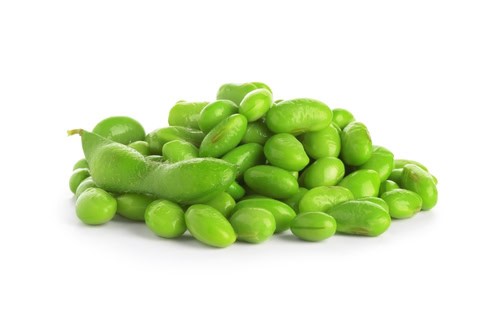
They’re also versatile. Add a handful to rice bowls and salads, serve them alongside salmon or chicken, or simply eat them lightly seasoned as a snack.
For someone struggling with larger meals, they’re an easy way to add extra nutritional value without dramatically increasing portion size.
4. Eggs
The original list supplied for this feature didn’t include eggs, but they’re far too useful to ignore.
Eggs provide high-quality protein alongside several important micronutrients, and their greatest advantage when your appetite is unpredictable is versatility.
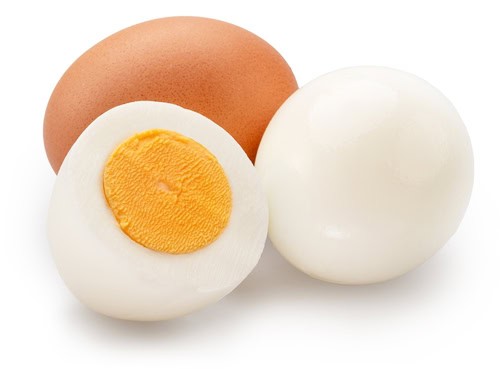
One day two scrambled eggs on toast might constitute breakfast. Another day a boiled egg alongside a smaller meal may be all you fancy.
An omelette also provides an easy vehicle for vegetables, cheese and other nutrient-dense ingredients without producing an enormous plate of food.
Simple often wins when your appetite is reduced.
5. Pumpkin Seeds
You certainly don’t need to start eating pumpkin seeds by the bowlful.
That’s the beauty of them.
A relatively small amount adds protein, unsaturated fats and minerals including magnesium and zinc.
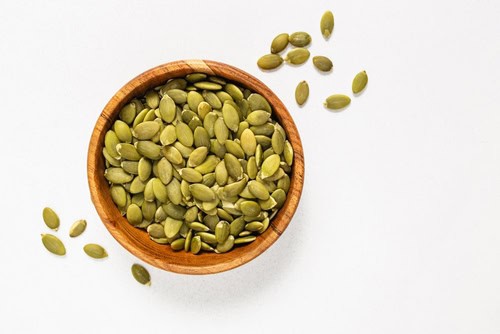
Scatter them over yoghurt, porridge, soup or salads rather than treating them as another thing you have to remember to eat.
This approach can be particularly useful when your appetite is low: instead of continually making meals bigger, make what you’re already eating more nutritionally useful.
6. Calcium-Set Tofu
Tofu can be an excellent source of plant protein, and varieties set using calcium salts can also contribute calcium.
That makes it particularly useful for people who eat little or no dairy.
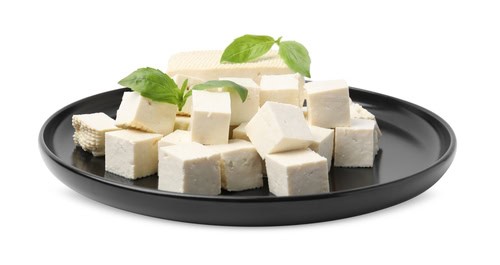
Cut firm tofu into cubes and roast or air-fry it, add it to stir-fries or use softer varieties in dishes where you want something easier to eat.
Check the packaging if calcium is one of the reasons you’re choosing it, as the nutritional content and setting agents vary between products.
7. Lentil Pasta
Sometimes the easiest nutritional improvement isn’t introducing an entirely new meal. It’s swapping one ingredient.
Pasta made from lentils or other pulses generally provides more protein and fibre than conventional white pasta.

That means you can still have a familiar bowl of pasta – potentially a smaller one if that’s all your appetite allows – while getting more from it.
Add vegetables and a source of fat or protein appropriate to the dish and you’ve got something considerably more substantial than the portion size might suggest.
8. Tinned Salmon
Tinned salmon deserves far more attention than it gets.
It’s convenient, doesn’t require cooking and provides high-quality protein and omega-3 fats. Varieties containing edible soft bones can also be a useful source of calcium.

Mash it with Greek yoghurt and lemon for a quick sandwich filling, add it to eggs, use it in fishcakes or simply serve with salad and potatoes.
When preparing food feels like a chore, opening a tin is considerably better than deciding not to eat anything at all.
9. Quark or Cottage Cheese
Both are extremely useful when you want a lot of protein without a huge portion.
Quark has a thick, creamy texture and can work with sweet or savoury flavours. Cottage cheese is equally adaptable and can be eaten on toast, with fruit, alongside tomatoes or added to other dishes.
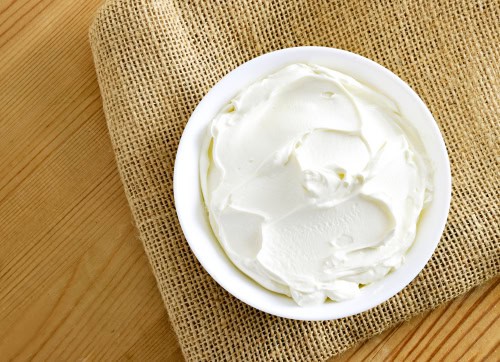
They’re also useful for snacks.
If you find yourself struggling to manage three conventional meals, smaller meals and snacks containing useful sources of protein may feel considerably more achievable.
10. Chia Seeds
Chia seeds aren’t a magic food, but they’re a convenient one.
They provide fibre and unsaturated fats, including plant-based omega-3 fatty acids, as well as some protein and calcium.

Again, you don’t need to construct an entire meal around them.
Add a small amount to overnight oats, yoghurt or porridge, or make a chia pudding if that’s something you enjoy.
Just remember that chia absorbs considerable amounts of liquid, so adequate fluid intake matters.
Think About Food Swaps, Not Just Smaller Portions
One of the easiest traps when your appetite disappears is simply eating a miniature version of whatever you previously ate.
Sometimes that’s absolutely fine.
But if you’re consistently eating substantially less, simple substitutions can increase the nutritional value of those smaller portions.
Instead of a low-protein breakfast cereal, you might occasionally choose overnight oats with Skyr and seeds. Swap ordinary yoghurt for a higher-protein variety. Try lentil pasta in place of white pasta. Add nut butter rather than butter to toast when appropriate.
A snack could be fruit with yoghurt or nuts rather than something that leaves you hungry again shortly afterwards.
None of this means every mouthful needs to become an exercise in nutritional optimisation. Food still needs to be enjoyable.
It’s simply worth asking: if I can only comfortably eat a little, what would make this little bit more useful?
Protein Matters – But Don’t Forget Everything Else
The conversation around weight-loss medication can become incredibly protein-focused.
There’s a reason for that. Adequate protein, alongside resistance exercise, can help support the maintenance of muscle during weight loss.
But humans cannot live on protein yoghurt and chicken alone.
Vegetables and fruit still matter. Fibre matters. Healthy fats matter. Calcium and other micronutrients matter. And sufficient fluid is particularly important, especially if gastrointestinal side effects affect how much you’re eating or drinking.
Variety therefore remains one of the simplest principles to follow.
Rather than searching for one perfect “GLP-1 diet”, aim for a collection of foods that gives you protein, wholegrain or fibre-rich carbohydrates, vegetables and fruit, and sources of unsaturated fat across the day.
Don’t Forget Your Muscles
Food is only half of the muscle-preservation conversation.
Resistance exercise gives your body a reason to retain muscle while you’re losing weight.
That doesn’t necessarily mean becoming a gym obsessive.
Depending on your health and ability, resistance can come from weights, machines, resistance bands and bodyweight exercises. Even relatively simple strength work can be valuable when performed consistently.
If you’re new to exercise, have an existing health condition or aren’t sure what’s appropriate while taking medication, seek professional guidance rather than suddenly launching yourself into an ambitious training programme.
What If You’re Struggling to Eat Enough?
There is a point at which “I’m just not very hungry” deserves a conversation with your healthcare professional.
If nausea, vomiting or other side effects are preventing you from eating or drinking adequately, don’t simply assume that’s the price you have to pay for the medication working.
Similarly, persistent weakness, dizziness, dehydration or concerns about nutritional intake deserve proper advice.
Weight-loss medication isn’t supposed to turn eating into an endurance event.
Your prescriber or another appropriately qualified healthcare professional can help assess side effects and whether your treatment and nutritional intake need reviewing.
Smaller Appetite, Smarter Plate
Perhaps the biggest adjustment with appetite-suppressing medication is recognising that less food makes the quality of that food more important, not less.
You don’t need a flawless diet.
You don’t need to turn every meal into a mathematical calculation of protein grams.
And you certainly don’t need to force yourself through enormous portions in pursuit of an arbitrary nutritional target.
Instead, think about density.
A pot of Skyr with berries and seeds. Eggs on wholegrain toast. Sardines with salad. A small bowl of lentil pasta. Salmon with vegetables. Edamame added to whatever you’re already eating.
Small additions can accumulate across the day.
Because successful weight management shouldn’t simply be about watching the number on the scales fall.
The aim is to emerge at the other side well nourished, strong and healthy too.
Original story idea and expert nutritional guidance supplied by Curely.


