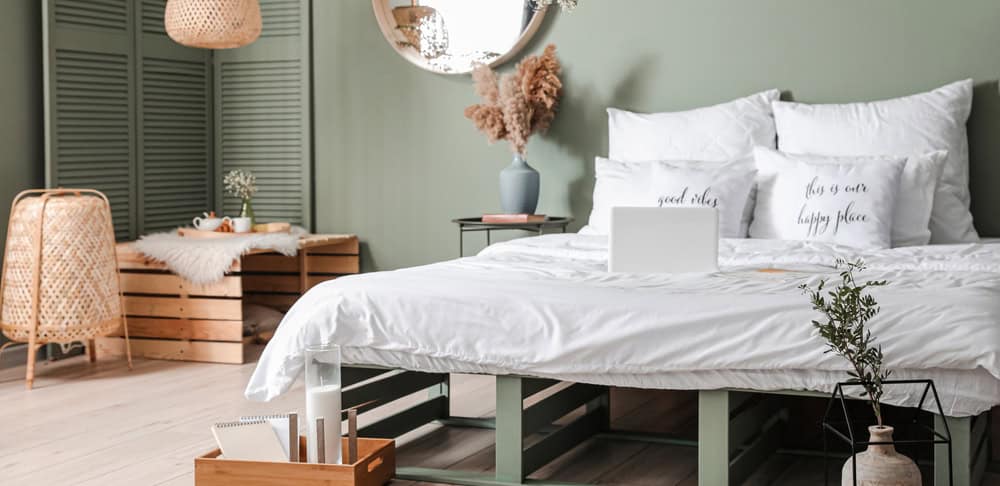
How to Transform Your Bedroom Into a Cozy and Calming Sanctuary
Your bedroom should be more than just a place to sleep. It should be a personal retreat where you can unwind, relax, and recharge after a long day. A well-decorated bedroom can improve not only the aesthetics of your home but also the quality of your rest and overall well-being.
Creating a cozy and relaxing bedroom does not necessarily require a complete renovation. In many cases, small changes in color, lighting, furniture, and textiles can dramatically transform the atmosphere of the space. By carefully selecting the right elements, you can create a bedroom that feels warm, peaceful, and inviting.
Natural light also plays an important role in the overall comfort of a bedroom. Many homeowners choose solutions such as films for window to control brightness, improve privacy, and soften the light entering the room. These films can help create a calmer environment by reducing glare while still allowing natural daylight to illuminate the space.
In this guide, we will explore several practical ideas to help you design a bedroom that promotes comfort, relaxation, and a sense of tranquility.
Choose a Soft and Calming Color Palette
Color is one of the most powerful elements in interior design. The colors you choose for your bedroom can significantly influence how the space feels. To create a cozy and relaxing atmosphere, it is best to focus on soft, neutral, and soothing tones.

Shades such as warm beige, soft grey, cream, pale blue, sage green, and muted earth tones are excellent choices for bedrooms. These colors create a calm environment and help reduce visual stress, making it easier to relax and fall asleep.
Neutral palettes also offer flexibility when decorating. They provide a balanced base that allows you to add textures, fabrics, and decorative accents without overwhelming the space.
Invest in Comfortable Bedding
Bedding is the focal point of any bedroom, and it plays a crucial role in creating a cozy atmosphere. High-quality bedding not only improves comfort but also enhances the overall aesthetic of the room.

Start with soft, breathable materials such as cotton, linen, or bamboo fabrics. These materials feel comfortable against the skin and help regulate body temperature during the night. Layering different textures—such as blankets, quilts, and decorative pillows—can also make the bed feel more inviting.
Using neutral or soft-colored bedding can further contribute to a relaxing environment. If you want to introduce subtle contrast, consider adding textured cushions or a knitted throw at the end of the bed.
Use Soft and Layered Lighting
Lighting has a major impact on the mood of a bedroom. Bright overhead lighting may be practical, but it often feels too harsh for a space intended for relaxation.

Instead, try layering different types of lighting. Bedside lamps, wall sconces, floor lamps, and warm LED lights can create a softer and more intimate atmosphere. Warm-toned lighting is particularly effective in bedrooms because it mimics the natural glow of sunset, which helps signal the body that it is time to relax.
Dimmer switches are another excellent addition, allowing you to adjust the brightness depending on the time of day and your activities.
Add Texture to Create Warmth
A cozy bedroom relies heavily on texture. Even if the color palette is simple, incorporating different materials can add depth and warmth to the space.

Soft rugs, knitted blankets, velvet cushions, and linen curtains are excellent ways to introduce texture. A plush rug beside the bed, for example, makes the room feel warmer and more comfortable when you wake up in the morning.
Mixing textures—such as wood furniture, fabric upholstery, and woven decorative elements—can also make the room feel more layered and visually interesting.
Incorporate Natural Elements
Bringing elements of nature into your bedroom can help create a peaceful and grounding environment. Natural materials and organic shapes often have a calming effect that supports relaxation.
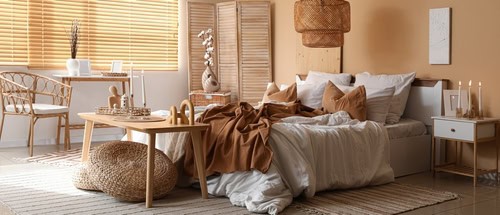
Wooden furniture, woven baskets, ceramic decorations, and linen fabrics are all great options. Houseplants can also add freshness and life to the room while improving air quality.
Plants such as peace lilies, snake plants, or lavender are particularly popular in bedrooms because they require minimal maintenance and contribute to a tranquil atmosphere.
Keep the Space Organized and Clutter-Free
Clutter can easily disrupt the peaceful feeling of a bedroom. Too many objects, decorations, or furniture pieces can create visual stress and make the room feel chaotic rather than relaxing.
Keeping the bedroom tidy and organized is essential for maintaining a calm atmosphere. Smart storage solutions such as bedside tables with drawers, under-bed storage boxes, and minimalist shelving can help keep items out of sight while maintaining functionality.
A simple and uncluttered environment makes it easier for the mind to relax, which can contribute to better sleep quality.
Personalize Your Space
While simplicity is important, a cozy bedroom should still reflect your personality. Adding a few personal touches can make the space feel more meaningful and comforting.
Photographs, artwork, decorative objects, or meaningful souvenirs can help create a room that feels uniquely yours. However, it is best to keep these items balanced and avoid overcrowding surfaces.
A carefully chosen piece of artwork above the bed, for example, can become a focal point that adds character without overwhelming the room.
Choose Comfortable Furniture
Furniture selection also plays a role in the overall atmosphere of a bedroom. Large, bulky furniture can make the room feel cramped, while well-proportioned pieces create a more open and relaxing environment.
Opt for furniture with clean lines and soft finishes. Upholstered headboards, wooden nightstands, and minimalist wardrobes often work well in cozy bedroom designs.
It is also important to ensure that the furniture layout allows easy movement around the room. A well-organized layout contributes to a sense of harmony and balance.
Introduce Soft Scents
Scent is often overlooked in interior design, but it can significantly influence how a space feels. Soft fragrances can enhance relaxation and create a calming bedroom environment.
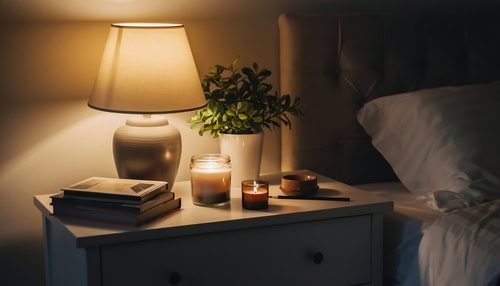
Lavender, chamomile, vanilla, and sandalwood are commonly used scents for bedrooms because they promote relaxation and stress relief. Candles, essential oil diffusers, or linen sprays are simple ways to introduce these fragrances into the space.
Subtle scents can make the bedroom feel more comfortable and help create a nightly routine that encourages restful sleep.
Conclusion
Designing a cozy and relaxing bedroom is about creating a space that supports comfort, tranquility, and personal well-being. By choosing calming colors, comfortable bedding, soft lighting, and natural textures, you can transform your bedroom into a peaceful retreat.
Small details—such as controlling natural light, keeping the space organized, and adding personal touches—can make a significant difference in the overall atmosphere. When thoughtfully combined, these elements create a bedroom that feels warm, inviting, and perfectly suited for rest and relaxation.
With the right balance of design and comfort, your bedroom can become one of the most enjoyable and restorative spaces in your home.