

The Perfect Cheese Pairings to Elevate British Spring Vegetables
There’s a short window every year when British produce feels almost too good to overthink.
Spring vegetables arrive quietly, but with a kind of confidence—vivid greens, delicate textures, and a natural sweetness that doesn’t need much intervention. Asparagus snaps cleanly, peas taste almost sugary straight from the pod, and spinach feels softer, fresher, lighter than it does at any other time of year.
But while these ingredients are often celebrated for their simplicity, there’s a subtle way to elevate them without losing what makes them special.
It comes down to cheese.
Not just any cheese—but the right one.
Because when you get the balance right, something changes. The vegetables don’t just hold their own—they deepen, soften, sharpen, and transform in ways that feel effortless but taste anything but.
Why cheese works so well with spring vegetables
Spring produce tends to lean towards the same flavour spectrum: grassy, gently bitter, lightly sweet. It’s delicate, but not weak.
The right cheese adds contrast.
Salt cuts through bitterness. Creaminess softens sharper edges. Nutty, aged flavours bring depth where vegetables might otherwise feel too light.
It’s not about overpowering—it’s about enhancing.
And once you understand that, the combinations start to feel obvious.
The pairings that define the season
Asparagus and Pecorino
Few pairings feel as distinctly seasonal as this.

British asparagus has a famously short window, and it deserves something that respects that. A young Pecorino, with its sharp, salty edge, slices cleanly through the vegetable’s grassy bitterness, while its crumbly texture makes it perfect for shaving over warm spears.
Add nothing more than olive oil and lemon, and it becomes something quietly perfect.
Fresh peas and Burrata
This is the one that surprises people.
Fresh peas—properly fresh, not from a freezer bag—carry a sweetness that feels almost unexpected. Pair them with Burrata, and that sweetness doesn’t disappear; it expands.

The creamy centre softens everything, turning a simple plate into something rich without feeling heavy. A scattering of mint and a piece of toasted sourdough is all it needs.
Radishes, cultured butter and Comté
There’s a reason the French have relied on this combination for generations.

Radishes bring crunch and a gentle peppery bite. Cultured butter smooths it out. And Comté—aged, nutty, slightly sweet—adds a layer of depth that makes the whole thing feel more intentional.
It’s minimal effort, maximum reward.
Broad beans and Ricotta
This is spring at its most understated.
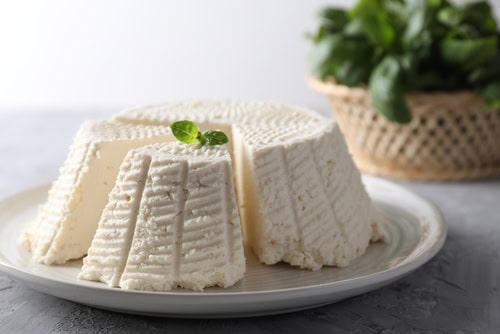
Broad beans, especially when peeled back to their bright green centre, have a clean, almost creamy texture of their own. Ricotta mirrors that softness, adding a milky sweetness that feels natural rather than forced.
Served simply on grilled bread with lemon and olive oil, it’s the kind of dish that doesn’t try too hard—and doesn’t need to.
Spinach and aged Manchego
Perhaps the most overlooked pairing of the season.

Young spinach is softer, more nuanced than its winter counterpart. It carries a subtle depth that works beautifully with something more complex—like aged Manchego.
With its nutty, slightly sweet notes and firm texture, the cheese transforms spinach from a side dish into something worth building a plate around.
A quieter way to cook this season
There’s a tendency to overcomplicate spring cooking—to add too much, to interfere too often.
But the best dishes at this time of year tend to follow a different approach.
Fewer ingredients. Better choices. More attention to how things work together.
Because when you pair the right cheese with the right vegetable, you don’t need much else.
And that might be the real luxury of spring—knowing when to stop.
Original source: Cheese Hamper, with insights from their cheese experts
Read more from Opulence, the luxury magazine UK audiences choose for refined inspiration.


