
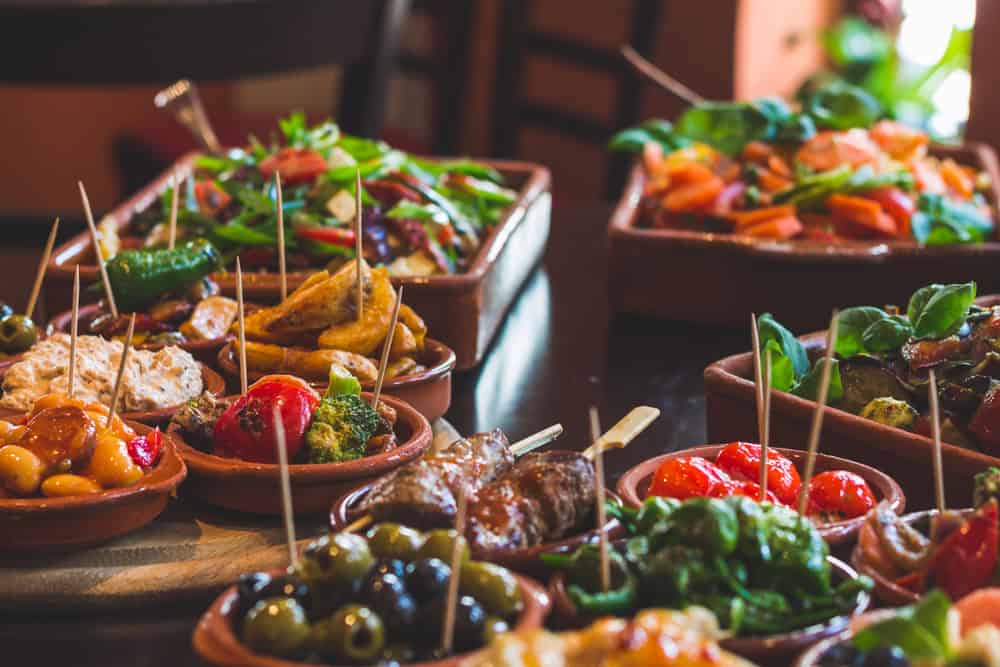
10 Incredible Cooking Holidays Abroad for Food Lovers
Some of my favourite travel memories revolve around food. Not necessarily elaborate tasting menus or expensive restaurants, but the simple pleasure of discovering how people cook, eat and share meals in different parts of the world.
There’s something wonderfully revealing about visiting a local market, watching a cook prepare a family recipe or discovering why a particular ingredient is so important to a region’s cuisine.
It’s one thing to enjoy an exceptional plate of pasta in Italy or a fragrant curry in Thailand. It’s quite another to understand how the dish is made, which ingredients give it character and why generations of cooks have prepared it in a particular way.
That’s the appeal of cooking holidays abroad.
Rather than spending an entire trip moving between restaurants and tourist attractions, culinary holidays offer the opportunity to become involved in the food culture of a destination.
You might spend a morning selecting produce at a Mediterranean market, learn to prepare handmade pasta in an Italian kitchen or discover the secrets of balancing sweet, sour, salty and spicy flavours during a Thai cooking class.
And unlike many holiday experiences, the results don’t end when you return home.
The techniques, recipes and confidence you gain can become part of your everyday cooking for years to come.
Whether you’re an enthusiastic home cook or simply love discovering new flavours, these ten destinations offer some of the most rewarding opportunities to combine travel with food.
What Are Cooking Holidays Abroad?
Cooking holidays are trips that incorporate hands-on culinary experiences, ranging from individual cooking classes to immersive food-focused holidays lasting several days.
Some travellers choose a single afternoon class while exploring a city. Others book dedicated culinary retreats that combine practical lessons, market visits, regional food tastings and visits to local producers.
A typical cooking experience might include learning about ingredients, preparing traditional dishes with a local instructor and enjoying the finished meal together.
More immersive holidays can explore how food connects with agriculture, regional traditions and everyday life.
You don’t need professional kitchen experience to participate. Many classes are designed for complete beginners, while others cater to confident home cooks looking to develop particular skills.
The best cooking holidays offer more than recipes. They provide an opportunity to understand the traditions, techniques and regional ingredients that shape a destination’s food culture.
1. Italy – Master Fresh Pasta and Traditional Regional Cooking
Italy is an obvious starting point for anyone considering a culinary holiday, but its appeal extends far beyond learning to make spaghetti.
Italian cooking is deeply regional, with ingredients, techniques and signature dishes changing considerably as you travel across the country.
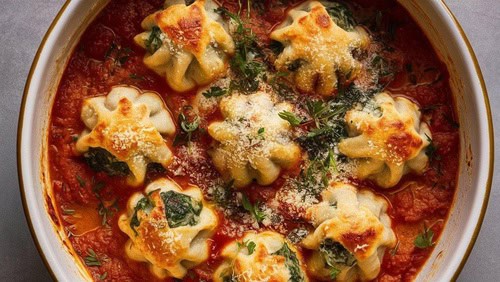
Tuscany offers an excellent introduction to rustic Italian cuisine, while Bologna and the wider Emilia-Romagna region are particularly appealing for travellers interested in fresh egg pasta.
Further south, Naples is a natural destination for learning traditional pizza-making techniques.
What Can You Learn to Cook in Italy?
Depending on the region, cooking classes may include:
- Handmade tagliatelle, ravioli and tortellini
- Traditional ragù and regional pasta sauces
- Neapolitan-style pizza dough and toppings
- Tuscan soups and vegetable dishes
- Tiramisu and other classic Italian desserts
In Bologna, a pasta-making class offers the chance to practise rolling dough into thin sheets and shaping filled pasta by hand.
Florence provides a different experience, where cooking lessons often incorporate seasonal Tuscan produce and regional recipes.
For something particularly memorable, look for a small-group experience that includes visiting a market before returning to the kitchen.
Best Places for Cooking Holidays in Italy
Bologna: Fresh pasta, regional sauces and traditional Emilia-Romagna cuisine.
Florence: Tuscan cooking, seasonal ingredients and rustic Italian dishes.
Naples: Authentic pizza-making and southern Italian specialities.
Sicily: Seafood, aubergine dishes, citrus flavours and traditional desserts.
Best for: Pasta lovers, couples, Mediterranean food enthusiasts and anyone wanting to improve their everyday cooking.
2. Spain – Discover the Art of Tapas, Paella and Spanish Cooking
Spanish cuisine lends itself beautifully to hands-on cooking experiences because so much of it revolves around sharing food.
Rather than focusing on a single elaborate dish, many Spanish cooking classes teach participants how to prepare several complementary plates.
It’s a wonderfully sociable approach, often culminating in a relaxed meal enjoyed with the rest of the group.

Barcelona is a popular destination for visitors interested in Catalan cooking, while Valencia offers the opportunity to learn about the origins and techniques of traditional paella.
San Sebastián, meanwhile, is particularly rewarding for food lovers fascinated by Basque cuisine and its famous pintxos culture.
What Can You Learn to Cook in Spain?
Popular cooking experiences include:
- Patatas bravas with homemade sauces
- Spanish tortilla
- Croquetas with creamy fillings
- Gambas al ajillo
- Traditional Valencian paella
- Regional tapas and pintxos
One of the most useful skills to learn is how Spanish cooks develop flavour using relatively simple ingredients.
Good olive oil, garlic, smoked paprika, tomatoes and fresh seafood can form the foundation of countless dishes.
Best Places for Cooking Holidays in Spain
Barcelona: Catalan dishes, market tours and tapas experiences.
Valencia: Traditional paella and regional rice dishes.
San Sebastián: Basque cooking and pintxos workshops.
Seville: Andalusian tapas and southern Spanish cuisine.
Best for: Sociable cooking experiences, Mediterranean flavours, couples and groups of friends.
3. Thailand – Learn the Secrets of Authentic Thai Cooking
Few cuisines offer quite the same excitement as Thai food.
The combination of fresh herbs, aromatic spices, citrus, chilli and savoury ingredients creates dishes that are vibrant, complex and intensely satisfying.

One of the greatest pleasures of taking a cooking class in Thailand is discovering how seemingly complicated dishes are built from relatively straightforward techniques.
The secret often lies in balancing flavours rather than simply following a recipe.
Thai cooking traditionally works with combinations of salty, sour, sweet, spicy and sometimes bitter elements, creating food that feels wonderfully layered.
What Can You Learn to Cook in Thailand?
Common cooking-class dishes include:
- Traditional pad Thai
- Green and red Thai curry
- Tom yum soup
- Tom kha gai
- Som tam green papaya salad
- Pad kra pao
- Mango sticky rice
Many classes also introduce participants to ingredients that can be difficult to understand from a recipe alone.
Galangal, lemongrass, makrut lime leaves, Thai basil and different varieties of chilli all contribute distinctive flavours.
Learning how to prepare curry pastes from scratch can be particularly rewarding.
Rather than relying on ready-made pastes, you’ll understand how fresh ingredients are pounded together to create the foundations of a curry.
Best Places for Cooking Holidays in Thailand
Chiang Mai: Northern Thai specialities, market visits and traditional cooking schools.
Bangkok: Street-food favourites, central Thai dishes and urban culinary experiences.
Phuket: Southern Thai cuisine, seafood and aromatic curries.
Koh Samui: Relaxed tropical cooking classes and regional Thai dishes.
Best for: Adventurous cooks, spice lovers, solo travellers and anyone fascinated by aromatic Asian cuisine.
4. Greece – Experience Mediterranean Cooking at Its Best
Greek food is one of the great pleasures of travelling around the Mediterranean.
Fresh vegetables, fragrant herbs, olive oil, seafood and delicious cheeses create a cuisine that feels generous, colourful and wonderfully uncomplicated.
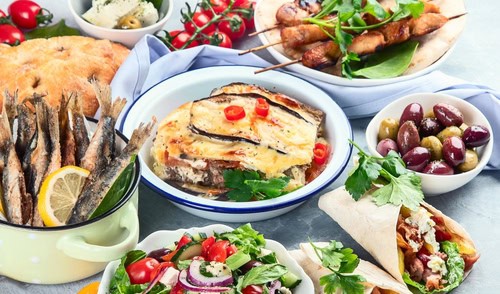
While many visitors are familiar with Greek salads, souvlaki and moussaka, there’s considerably more to discover.
Regional cooking traditions vary between mainland Greece and the islands, with local ingredients playing an important role in shaping each destination’s food.
Crete is particularly appealing for culinary experiences, thanks to its distinctive food heritage and abundant local produce.
What Can You Learn to Cook in Greece?
Traditional cooking lessons may include:
- Spanakopita with spinach and feta
- Handmade filo pastries
- Stuffed tomatoes and peppers
- Moussaka
- Greek vegetable dishes and dips
- Traditional Cretan recipes
- Regional seafood dishes
One of the loveliest aspects of Greek cooking is the emphasis on sharing.
Meals are rarely treated as something to rush through, and a cooking class can provide an opportunity to understand the social traditions surrounding food.
Best Places for Cooking Holidays in Greece
Crete: Regional cooking, olive oil, wild greens and traditional village recipes.
Athens: Greek classics and contemporary cooking workshops.
Santorini: Local produce, tomato-based dishes and island cuisine.
Naxos: Cheeses, potatoes, regional ingredients and traditional island recipes.
Best for: Mediterranean food lovers, couples, island holidays and relaxed culinary experiences.
5. Japan – Discover the Precision of Sushi and Japanese Cuisine
Japanese cooking offers something quite different from the relaxed, rustic style of many Mediterranean cuisines.
Attention to detail, careful preparation and respect for ingredients are central to numerous Japanese culinary traditions.
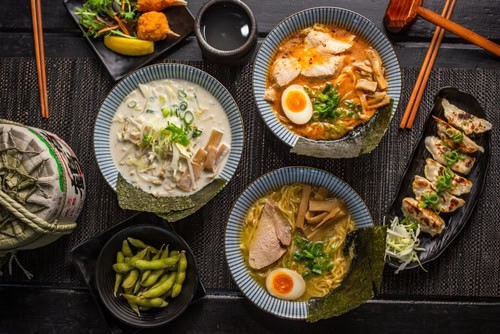
A cooking class in Japan can introduce techniques that are difficult to appreciate fully when simply ordering food in a restaurant.
From preparing sushi rice correctly to understanding the role of dashi in Japanese cooking, the experience can transform how you approach familiar dishes.
What Can You Learn to Cook in Japan?
Depending on the class, you may learn:
- Sushi rice preparation and sushi rolling
- Nigiri and maki techniques
- Gyoza dumplings
- Ramen components and broths
- Tempura
- Japanese home-style dishes
- Traditional miso soup
It’s worth choosing a class that matches your interests.
A sushi workshop will offer a very different experience from a class focused on traditional Japanese home cooking.
Kyoto is particularly appealing for travellers interested in culinary traditions and carefully prepared seasonal dishes.
Tokyo offers a broad selection of cooking experiences, while Osaka is known for its lively food culture.
Best Places for Cooking Holidays in Japan
Tokyo: Sushi, ramen and contemporary Japanese cooking.
Kyoto: Traditional Japanese cuisine and seasonal ingredients.
Osaka: Popular dishes such as okonomiyaki and takoyaki.
Best for: Sushi enthusiasts, detail-oriented cooks and travellers interested in Japanese culture.
6. Mexico – Learn Traditional Tacos, Mole and Fresh Salsas
Mexican cuisine is extraordinarily diverse, with regional cooking traditions that extend far beyond the familiar dishes found in international restaurants.

From handmade corn tortillas to deeply flavoured mole sauces, Mexico offers rich opportunities for culinary exploration.
Oaxaca is particularly rewarding for food-focused travel, thanks to its distinctive regional dishes, local markets and traditional ingredients.
Mexico City also offers an exceptional food culture, combining traditional cooking with an exciting contemporary restaurant scene.
What Can You Learn to Cook in Mexico?
Culinary experiences may include:
- Handmade corn tortillas
- Traditional tacos
- Fresh tomato and chilli salsas
- Guacamole and regional accompaniments
- Mole sauces
- Tamales
- Regional soups and stews
Learning to prepare tortillas from masa can be one of the most satisfying experiences.
The process is simple in principle but requires practice to achieve the right texture and consistency.
Cooking classes may also explore the remarkable variety of Mexican chillies and how their flavours change through roasting, soaking and cooking.
Best Places for Cooking Holidays in Mexico
Oaxaca: Mole, traditional markets, corn-based dishes and regional cooking.
Mexico City: Street food, tacos and contemporary Mexican cuisine.
Yucatán Peninsula: Distinctive regional dishes and citrus-based marinades.
Best for: Adventurous travellers, street-food enthusiasts and lovers of bold flavours.
7. Morocco – Discover Fragrant Tagines and North African Spices
Moroccan cooking is a wonderful introduction to the world of aromatic spice combinations.
Cumin, ginger, turmeric, saffron, cinnamon and preserved lemon contribute to dishes that are beautifully fragrant and deeply satisfying.
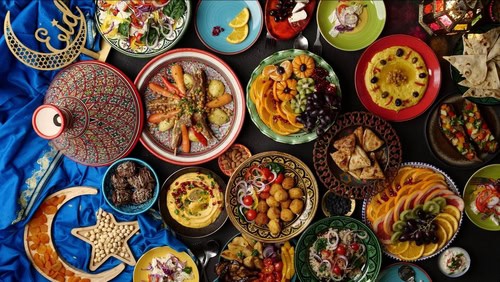
Marrakech is a particularly appealing destination for cooking holidays, combining lively markets with traditional kitchens and distinctive regional ingredients.
Some experiences begin with a guided visit to a local market, where you’ll discover how spices, vegetables and preserved ingredients are selected.
What Can You Learn to Cook in Morocco?
Popular dishes include:
- Traditional tagines
- Vegetable and meat couscous
- Harira soup
- Moroccan salads
- Flatbreads
- Preserved lemon preparations
- Regional pastries
One of the most valuable lessons is understanding how spices are layered to create depth rather than simply adding heat.
A well-prepared tagine relies on the balance of ingredients, careful cooking and time.
Best Places for Cooking Holidays in Morocco
Marrakech: Traditional tagines, market visits and Moroccan home cooking.
Fes: Historic culinary traditions, breads and regional dishes.
Essaouira: Seafood and coastal Moroccan cuisine.
Best for: Spice lovers, culturally immersive holidays and travellers who enjoy aromatic cooking.
8. Turkey – Master Meze, Flatbreads and Regional Specialities
Turkish food brings together influences from the Mediterranean, the Middle East, Central Asia and Anatolia.
Its regional diversity makes it an excellent destination for travellers who want to explore more than a single style of cooking.

Istanbul offers particularly varied culinary experiences, from traditional meze preparation to workshops focused on Turkish breads, pastries and desserts.
Elsewhere, coastal destinations provide opportunities to discover olive oil-based dishes, fresh seafood and regional vegetables.
What Can You Learn to Cook in Turkey?
Cooking classes may feature:
- Traditional meze dishes
- Börek pastries
- Gözleme flatbreads
- Turkish-style stuffed vegetables
- Regional kebab preparations
- Lentil soup
- Baklava and other desserts
Turkish cooking can be particularly rewarding for home cooks because many of its techniques are adaptable to everyday meals.
Best Places for Cooking Holidays in Turkey
Istanbul: Meze, street food, pastries and traditional Turkish dishes.
Bodrum: Aegean cooking and seafood.
Gaziantep: Regional specialities, kebabs and pistachio-based desserts.
Best for: Mediterranean food enthusiasts, bread lovers and travellers interested in regional culinary traditions.
9. Vietnam – Explore Fresh Herbs, Street Food and Fragrant Broths
Vietnamese cuisine is celebrated for its fresh ingredients, fragrant herbs and beautifully balanced dishes.
A cooking holiday in Vietnam offers the opportunity to explore the relationship between flavour, texture and freshness.
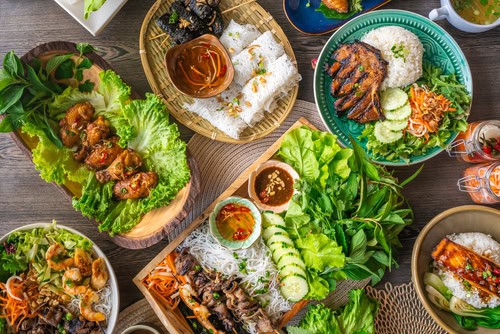
Many dishes combine aromatic broths, rice noodles, vegetables, citrus and herbs, creating food that can feel both light and satisfying.
Hoi An is a particularly popular destination for culinary workshops, while Hanoi provides opportunities to discover northern Vietnamese cooking.
What Can You Learn to Cook in Vietnam?
Popular dishes include:
- Fresh summer rolls
- Traditional pho
- Bánh xèo savoury pancakes
- Vietnamese dipping sauces
- Noodle salads
- Caramelised savoury dishes
- Regional vegetable preparations
One of the most enjoyable elements of Vietnamese cooking classes is learning how different herbs and accompaniments are used.
Rather than treating garnishes as decoration, you’ll discover how they contribute to the finished flavour.
Best Places for Cooking Holidays in Vietnam
Hoi An: Market visits, regional cooking and hands-on classes.
Hanoi: Northern Vietnamese specialities and street food.
Ho Chi Minh City: Southern Vietnamese cuisine and contemporary food experiences.
Best for: Fresh-flavour enthusiasts, street-food lovers and adventurous travellers.
10. India – Discover Regional Curries, Breads and Spice Techniques
India offers an almost endless variety of culinary experiences.
The country’s food traditions differ enormously between regions, making it particularly rewarding for travellers who want to move beyond familiar restaurant curries.
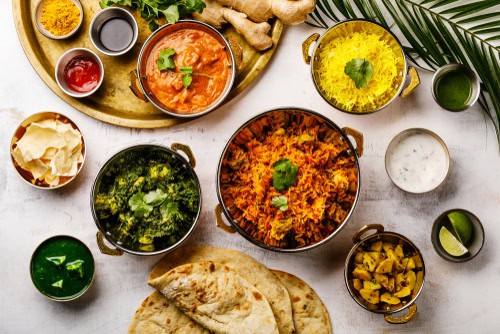
A cooking holiday in Rajasthan might introduce rich regional dishes and traditional breads, while Kerala offers a completely different approach shaped by coconut, curry leaves, seafood and southern Indian spices.
Delhi provides an opportunity to explore North Indian cuisine alongside a lively street-food culture.
What Can You Learn to Cook in India?
Experiences vary considerably but may include:
- Traditional curry bases and gravies
- Handmade chapatis and parathas
- Regional vegetable dishes
- Tandoori-style marinades
- Fresh chutneys
- Masala chai
- Indian desserts
A particularly useful skill is learning how to toast and combine whole spices.
Understanding when to add spices, how to release their aromas and how to balance them can transform everyday cooking.
Best Places for Cooking Holidays in India
Jaipur: Rajasthani dishes and traditional North Indian cooking.
Delhi: Regional curries, breads and street-food specialities.
Kerala: South Indian cooking, seafood and fragrant spice combinations.
Goa: Coastal Indian cuisine and Portuguese-influenced dishes.
Best for: Curry enthusiasts, experienced home cooks and travellers who love discovering regional flavours.
Cooking Holidays Abroad: Which Destination Should You Choose?
With so many possibilities, choosing the right destination depends on the type of cooking experience you want.
| Destination | Signature cooking experience | Ideal for |
|---|---|---|
| Italy | Handmade pasta and pizza | Classic European cooking |
| Spain | Tapas and paella | Sociable food experiences |
| Thailand | Curries and aromatic soups | Bold, fragrant flavours |
| Greece | Mediterranean dishes and pastries | Fresh, seasonal cooking |
| Japan | Sushi and traditional techniques | Precision and presentation |
| Mexico | Tortillas, tacos and mole | Regional street food |
| Morocco | Tagines and spice combinations | Aromatic North African cuisine |
| Turkey | Meze, breads and pastries | Mediterranean and Anatolian flavours |
| Vietnam | Noodles, herbs and fresh rolls | Light, fragrant dishes |
| India | Regional curries and breads | Learning to cook with spices |
For first-time culinary travellers, Italy and Spain offer particularly accessible introductions.
If you’re hoping to develop new skills with herbs and spices, Thailand, Morocco and India provide fascinating opportunities.
Japan may appeal to those interested in mastering precise techniques, while Mexico and Vietnam are excellent destinations for discovering the importance of regional ingredients.
How to Choose an Authentic Cooking Class Abroad
Not every cooking class delivers the same experience.
Some are carefully designed to introduce visitors to local culinary traditions, while others offer little more than a brief demonstration followed by a meal.
Neither format is inherently wrong, but it’s important to understand what you’re booking.
Look for Hands-On Participation
If your aim is to develop cooking skills, choose a class where you’ll actively prepare the dishes.
Check whether participants work individually, in pairs or as a large group.
A demonstration can be interesting, but preparing ingredients and practising techniques yourself is generally more valuable.
Check the Group Size
Smaller classes can provide more opportunities to ask questions and receive individual guidance.
Larger groups may be enjoyable and sociable, but the experience can feel less personal.
If you’re particularly interested in a specific skill, such as pasta-making or sushi preparation, consider a private or small-group lesson.
Choose Regional Rather Than Generic Recipes
One of the pleasures of culinary travel is discovering food associated with a particular destination.
A class focused on traditional Bolognese pasta dishes in Bologna, for example, may provide more regional insight than a generic Italian cooking workshop.
Similarly, learning southern Thai curries in Phuket offers a different experience from discovering northern Thai dishes in Chiang Mai.
Consider Market Visits
A guided food-market visit can add another dimension to a cooking class.
You’ll learn about local produce, seasonal ingredients and how cooks select the products used in traditional dishes.
However, check whether the market visit is included in the class price or requires an additional booking.
Ask About Dietary Requirements
If you have allergies, intolerances or dietary preferences, contact the organiser before making a reservation.
This is particularly important for cuisines that regularly use shellfish, peanuts, sesame, soy, fish sauce or other common allergens.
Ask about cross-contact procedures as well as ingredient substitutions.
Not every cooking school can safely accommodate severe allergies, especially where ingredients are prepared in shared kitchens.
Read the Details Before Booking
Check what’s included in the experience.
Some classes provide ingredients, equipment, recipes and a full meal, while others may charge separately for drinks, transport or additional activities.
Cancellation policies also matter, particularly when incorporating a cooking class into a wider travel itinerary.
Are Cooking Holidays Suitable for Beginners?
Absolutely.
You don’t need to be an accomplished cook to enjoy learning traditional recipes abroad.
Many cooking schools cater specifically to visitors who have little experience of the cuisine.
In fact, some of the most enjoyable classes are those that introduce straightforward techniques with ingredients that might initially seem unfamiliar.
The key is choosing an experience that matches your confidence.
A beginner might enjoy making fresh pasta, traditional tapas or simple Thai dishes.
A more experienced home cook could look for specialist workshops covering regional sauces, professional knife techniques, bread-making or advanced pastry preparation.
The most worthwhile classes encourage questions and allow participants to learn at a comfortable pace.
How Much Do Cooking Classes Abroad Cost?
Prices vary considerably depending on the destination, instructor, group size and length of the experience.
A short group cooking class will generally cost less than a private lesson or full-day culinary experience.
Market visits, specialist ingredients and additional activities can also influence the price.
When comparing options, consider the overall experience rather than focusing solely on the headline cost.
A class that includes a knowledgeable local instructor, practical cooking time, ingredients, recipes and a shared meal may offer better value than a cheaper experience with limited participation.
For dedicated multi-day cooking holidays, accommodation, transport and excursions may be included, so check exactly what’s covered before booking.
How to Include a Cooking Class in Your Holiday
You don’t necessarily need to book a dedicated culinary holiday to enjoy a memorable cooking experience.
Adding a half-day class to an existing itinerary can be a wonderful way to discover a destination.
For a city break, consider scheduling a cooking class towards the beginning of your trip.
You’ll learn about regional ingredients and dishes that you can then look out for in restaurants and markets during the rest of your stay.
On longer holidays, a class can provide a welcome alternative to sightseeing.
It may also be worth planning around the local food culture.
A morning market visit followed by an afternoon cooking lesson, for example, offers a more immersive experience than simply arriving for a short demonstration.
Whatever format you choose, leave enough time to enjoy the experience without rushing to your next activity.
What Can You Bring Home From a Cooking Holiday?
The most valuable souvenir from a culinary holiday is often a skill.
Once you’ve learned how to prepare fresh pasta, balance Thai curry flavours or make traditional tortillas, those techniques can become part of your everyday cooking.
Ask whether your instructor provides written recipes, as quantities and ingredients can be difficult to remember after a busy class.
Taking notes can also be helpful, particularly when learning small techniques that aren’t always explained in standard recipes.
If you’re hoping to bring ingredients home, check the relevant UK customs and food import rules before travelling.
Restrictions can apply to certain foods, particularly products containing meat or dairy, and requirements vary depending on where you’re returning from.
Fortunately, many of the most useful things you’ll learn require nothing more than a notebook and a little practice.
Frequently Asked Questions About Cooking Holidays Abroad
What are the best countries for cooking holidays?
Italy, Spain, Thailand, Greece, Japan, Mexico, Morocco, Turkey, Vietnam and India all offer rewarding culinary experiences. The best choice depends on your preferred cuisine, cooking ability and travel interests.
Can beginners take cooking classes abroad?
Yes. Many cooking schools offer introductory classes suitable for people with little cooking experience. Check the class description to ensure the techniques and dishes match your confidence level.
Are cooking classes abroad worth it?
A well-chosen class can provide practical cooking skills, insight into regional ingredients and an opportunity to connect with local food culture. Experiences that offer hands-on participation and knowledgeable instruction are often particularly rewarding.
Do cooking holidays include accommodation?
Some dedicated culinary holidays include accommodation, meals and excursions. Individual cooking classes generally operate separately from hotels and other travel arrangements.
How long does a typical cooking class abroad last?
Classes can range from short workshops to half-day or full-day experiences. Multi-day culinary holidays may combine several lessons with market visits, tastings and cultural activities.
Can you book private cooking classes abroad?
Yes. Many destinations offer private culinary experiences for individuals, couples, families and small groups. These can be especially useful if you want to focus on particular dishes or cooking techniques.
Are cooking classes suitable for vegetarians?
Many cooking schools can offer vegetarian recipes or adaptations, although availability varies. Contact the organiser before booking to discuss dietary requirements.
What should you wear to a cooking class?
Comfortable clothing and closed-toe shoes are generally sensible choices. Long hair should be tied back, and some cooking schools may provide aprons or specify additional safety requirements.
The Best Travel Experiences Are the Ones That Stay With You
There are countless reasons to travel, but food has a remarkable ability to make a destination feel personal.
Learning to prepare a dish in the place where it originated adds a different dimension to the experience.
You begin to understand why particular ingredients matter, how traditions have developed and why familiar recipes can taste so different when prepared by someone who knows them intimately.
A cooking holiday doesn’t need to involve elaborate arrangements or a lengthy itinerary.
Sometimes, a few hours spent in a local kitchen can become one of the most memorable parts of an entire trip.
Whether you’re rolling pasta in Italy, preparing curry paste in Thailand or discovering regional tapas in Spain, the pleasure lies in learning something new and sharing the experience.
And when you return home, those dishes offer a lovely reminder of the places you’ve visited.
Because the best holiday souvenirs aren’t always the things you pack in your suitcase.
Sometimes, they’re the recipes you find yourself cooking again and again.
Discover more from Opulence, a leading luxury magazine in the UK for aspirational living.


