

Searches for ‘Vitamin D’ surge this year as Brits turn to the ‘sunshine vitamin’ to fight winter fatigue
With darker days setting in, new data analysed by Fresha, the world’s leading salon and spa booking platform, reveals that searches for ‘Vitamin D‘ have hit 10 million this month, up 14% year-on-year, as more people look for natural ways to beat the winter slump and improve overall wellbeing.
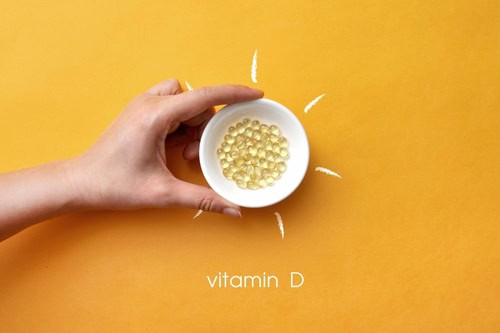
According to Danielle Louise, beauty and wellness expert on Fresha, the world’s leading salon and spa booking platform, “Vitamin D isn’t just about bones and sunlight anymore, people are realising it affects everything from mood and energy to skin health and hormones.”
The most Googled questions in the past 30 days reveal what’s top of mind:
Does vitamin D help with testosterone?
Research suggests Vitamin D supports hormone regulation and may improve testosterone levels in men with deficiencies.
Does vitamin D help with hypoglycemia?
Vitamin D plays a role in blood sugar control by influencing insulin sensitivity.
How does vitamin D help with skin?
It supports cell regeneration and repair, improving texture and reducing inflammation — particularly beneficial for dry, dull winter skin.
Does vitamin D help with GERD and IBS?
Early studies show a link between Vitamin D and gut health, suggesting deficiency could worsen digestive issues.
Does vitamin D help with mood?
Yes — Vitamin D is tied to serotonin production, which explains why supplementation can help reduce Seasonal Affective Disorder (SAD) symptoms.
Danielle Louise on Fresha adds:
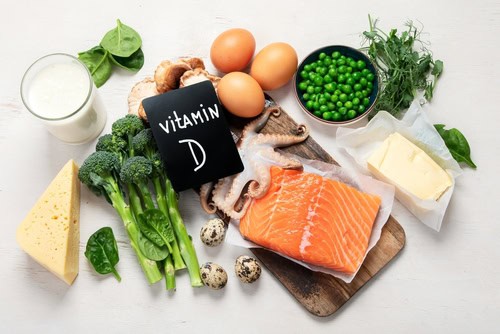
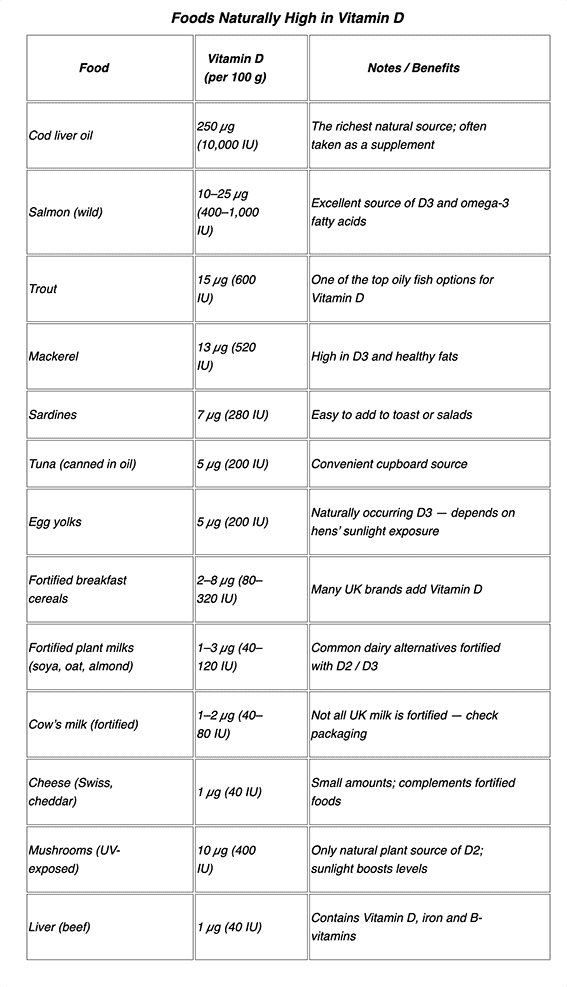
“Clients often talk about feeling sluggish, tired, or less confident in their skin during the colder months. Supporting your body with Vitamin D — through diet or supplements — can make a huge difference not just to how you feel, but how you look too.”
Why salons are seeing the trend too
Danielle adds that professionals across Fresha’s global network are seeing clients discuss energy, hormones and skin health more openly than ever:
“Clients are thinking holistically — it’s not just about a facial or treatment anymore, it’s about how lifestyle, sleep and nutrients affect how we look and feel. Vitamin D sits right at the centre of that conversation this winter.”
For most people in the UK, it’s also recommended to take a 10µg (400 IU) supplement daily from October to March — when sunlight levels are too low for natural synthesis.


