
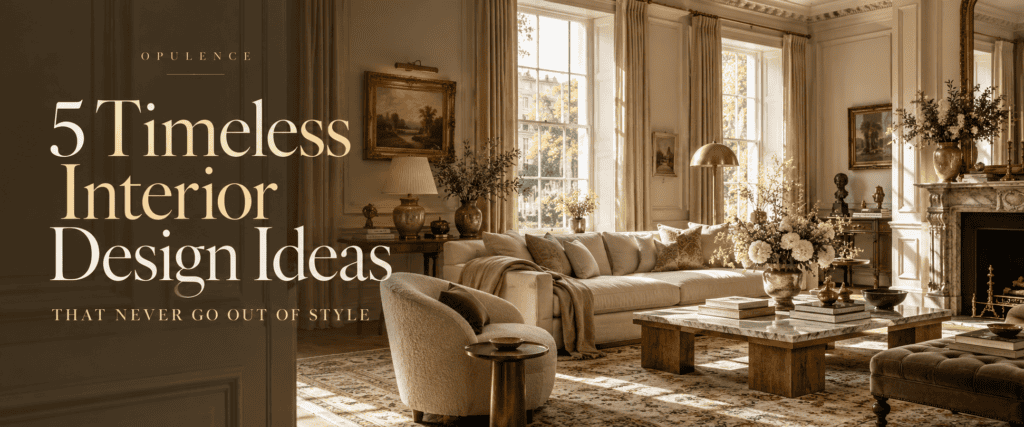
5 Classic Interior Design Styles for a Timeless Home
Creating a beautiful home isn’t necessarily about following the latest interior design trends. While fashionable colours, statement furniture and contemporary finishes can be tempting, the most successful interiors often have something more enduring in common: a sense of balance, character and understated elegance.
Timeless interior design is about creating spaces that feel considered rather than fashionable. It’s the combination of beautiful materials, harmonious proportions, thoughtful colour choices and practical features that makes a room feel just as inviting years after it was first decorated.
Of course, timeless doesn’t have to mean traditional. A contemporary home can be every bit as enduring as a period property, particularly when its design prioritises quality, comfort and personal style over fleeting trends.
From beautifully crafted Shaker kitchens to elegant living spaces and traditional home offices, these five timeless interior design ideas offer inspiration for creating a home that feels sophisticated, welcoming and effortlessly stylish.
1. Shaker Kitchens: A Timeless Interior Design Classic
Few kitchen styles have demonstrated such lasting appeal as the Shaker kitchen.
Recognisable by its simple recessed-panel cabinet doors, clean lines and restrained detailing, Shaker design has its roots in the practical furniture-making traditions of the Shaker religious community.
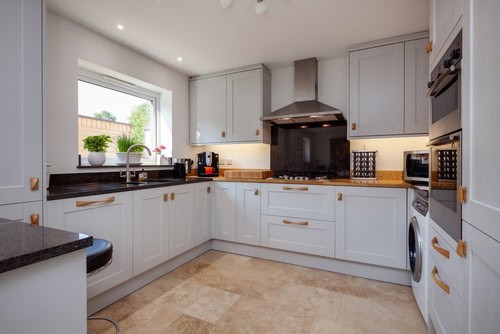
Its appeal lies in the balance between simplicity and craftsmanship. Shaker cabinetry feels equally at home in a country cottage, a Georgian townhouse or a contemporary property, making it one of the most versatile choices for kitchen design.
Unlike highly decorative cabinetry or ultra-minimalist designs that can become closely associated with a particular period, Shaker kitchens offer a flexible foundation that can evolve as your tastes change.
Choosing Colours That Will Stand the Test of Time
Classic Shaker kitchens work beautifully in a range of colours.
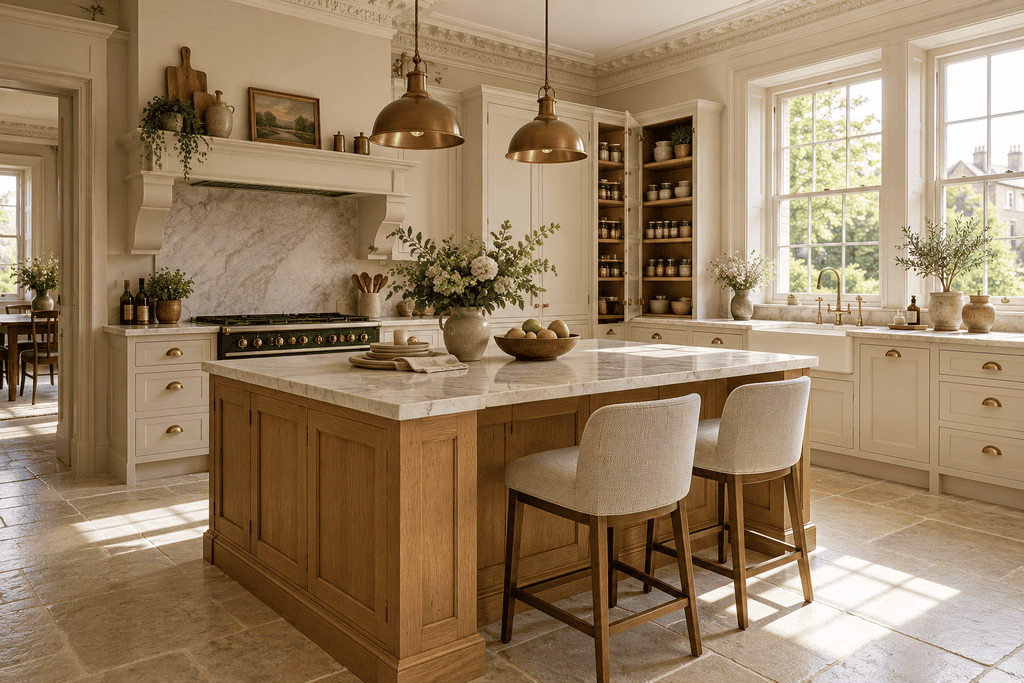
Soft ivory, warm white and muted stone create a bright, understated look, while deeper shades such as forest green, charcoal and navy introduce richness and character.
Natural wood finishes are another excellent option, bringing warmth and texture to a space.
For a particularly sophisticated result, consider combining painted cabinetry with natural materials such as oak, marble or limestone.
A kitchen island in a contrasting colour can introduce interest without overwhelming the overall scheme.
Focus on Beautiful Finishing Details
The finishing touches can make a considerable difference to the overall character of a Shaker kitchen.
Antique brass handles add traditional warmth, while polished nickel offers a more refined contemporary finish.
Simple pendant lighting, natural stone worktops and carefully chosen taps can further enhance the design.
The key is restraint. Allow the cabinetry and materials to speak for themselves rather than introducing too many competing decorative elements.
Timeless design tip: Choose cabinetry you genuinely love and introduce changing colours or trends through easily replaceable accessories, lighting and decorative pieces.
2. Neutral Colour Schemes for Timeless Interiors
A carefully considered neutral colour palette provides one of the most versatile foundations for timeless home design.
However, neutral interiors don’t have to mean plain white walls or rooms lacking personality.
Some of the most beautiful interiors use a layered selection of understated colours to create warmth, depth and visual interest.
Think soft taupe, warm ivory, mushroom, greige, muted olive and natural stone tones.
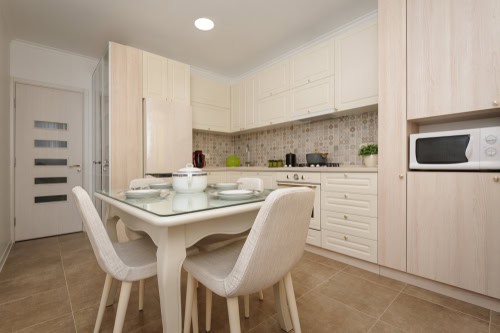
These shades work particularly well because they complement a wide variety of materials, furniture styles and architectural features.
They also make it easier to update a room without completely redecorating.
Create Depth Through Texture
The secret to a successful neutral interior is texture.
Without variation in materials and finishes, even the most beautifully chosen colour scheme can feel flat.
Consider combining:
- Natural linen curtains with upholstered furniture
- Wool rugs and textured cushions
- Oak, walnut or other natural wood finishes
- Stone, ceramic and aged metal accessories
- Soft plaster finishes or subtly textured wallpaper
These elements introduce visual richness while maintaining a cohesive, understated appearance.
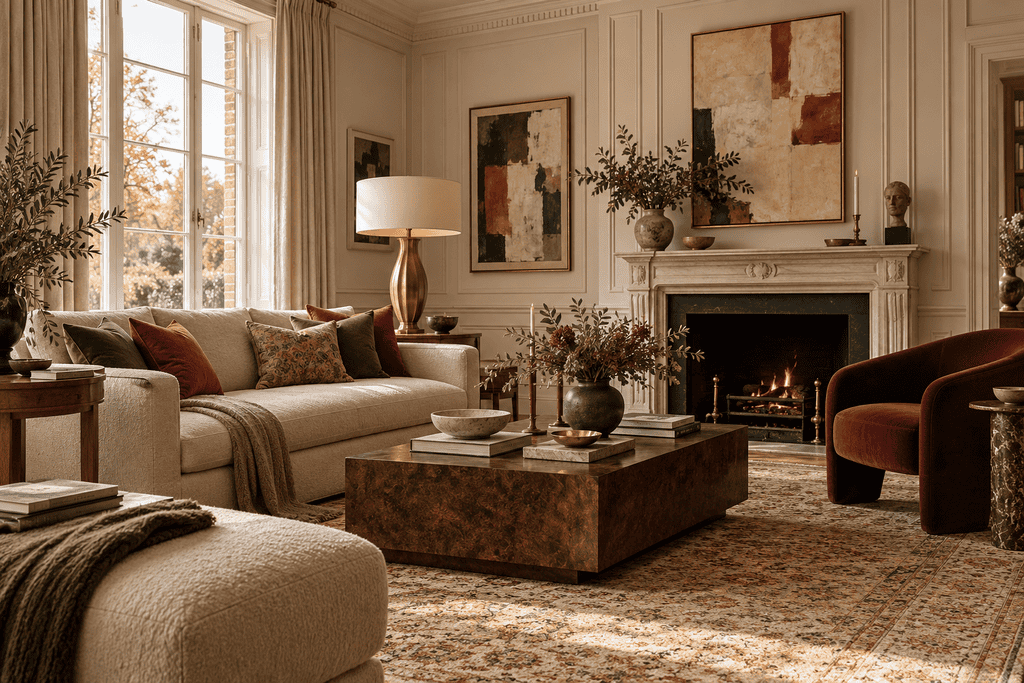
A cream sofa against warm white walls, for example, can look particularly elegant when accompanied by a textured rug, dark timber furniture and a few carefully selected decorative objects.
Introduce Colour Without Losing the Timeless Feel
Neutral interiors also provide the perfect backdrop for more expressive accents.
Muted terracotta, deep burgundy, olive green and warm ochre can bring a room to life without dominating the space.
Consider introducing these shades through artwork, cushions, lampshades or occasional furniture.
This approach allows you to refresh a room as your preferences change without replacing expensive furniture or redecorating entire walls.
Timeless design tip: Before choosing a neutral paint colour, test it in different lighting conditions. A shade that looks beautifully warm in daylight can appear surprisingly cool under artificial lighting.
3. Classic Bathroom Design with Natural Stone and Elegant Finishes
Bathrooms are often among the most expensive rooms to renovate, making timeless design particularly important.
While dramatic tiles, striking colours and statement fixtures can create an immediate impression, classic bathrooms tend to rely on beautiful materials, balanced proportions and simple, elegant fittings.

White and grey have long been popular bathroom colours, but warmer natural tones can create an equally sophisticated result.
Soft limestone, pale marble, warm grey, ivory and muted beige all lend themselves beautifully to an enduring bathroom scheme.
Choose Materials with Lasting Appeal
Natural stone is particularly effective in bathrooms because its variations in colour and texture introduce subtle visual interest.
Marble, limestone and travertine can create an elegant atmosphere, although each material has different maintenance requirements.
For those seeking a more practical alternative, high-quality porcelain tiles can recreate the appearance of natural stone while offering excellent durability and easier maintenance.
Larger-format tiles can also create a calmer visual effect by reducing the number of grout lines.
However, it’s worth considering the proportions of the room. Smaller bathrooms don’t necessarily require tiny tiles, and carefully selected large tiles can make a compact space feel surprisingly spacious.
Invest in Classic Bathroom Fittings
Bathroom fittings play a significant role in establishing the overall style.
A traditional freestanding bath can become a beautiful focal point, while a simple built-in bath with elegant panelling may be more practical for everyday family life.
Chrome and polished nickel remain versatile choices for taps and shower fittings, while brushed brass can introduce warmth.
For a particularly timeless appearance, avoid mixing too many different finishes.
A consistent approach across taps, shower fittings, towel rails and accessories creates a more considered result.
Consider Lighting Carefully
Good bathroom lighting should be both practical and atmospheric.
Bright, well-positioned lighting around mirrors is important for everyday tasks, while softer lighting can create a more relaxing environment.
Wall lights, illuminated mirrors and carefully positioned ceiling fixtures can all contribute to a balanced scheme.
Timeless design tip: Spend your budget on quality fittings, appropriate waterproofing and durable finishes before investing in decorative accessories. These practical elements have the greatest influence on how well a bathroom functions over time.
4. Built-in Shelving for Elegant Living Spaces
Beautifully designed storage is one of the most effective ways to combine practicality with timeless interior style.
Built-in shelving, alcove cupboards and fitted bookcases can give a room architectural character while providing valuable space for books, decorative objects and everyday essentials.

Unlike freestanding storage units, which may not always suit a room’s proportions, carefully planned cabinetry can make use of awkward spaces and create a cohesive appearance.
This is particularly effective in period properties, where alcoves beside chimney breasts offer natural opportunities for fitted furniture.
However, built-in shelving can look equally beautiful in contemporary homes.
Combine Open and Closed Storage
One of the most successful approaches is to combine open shelves with cupboards.
Closed cabinetry provides practical storage for items you’d prefer to keep out of sight, while open shelving allows you to display possessions that reflect your personality.
Books, ceramics, framed photographs, sculptures and collected objects can all contribute to a beautifully curated arrangement.
The secret is to avoid filling every available space.
Allowing a little breathing room around decorative pieces creates a more relaxed, sophisticated appearance.
Make Shelving Part of the Architecture
Built-in shelving often looks most successful when it feels like a natural extension of the room.
Painting cabinetry the same colour as the walls can create a seamless effect, particularly in smaller living spaces.
Alternatively, choosing a contrasting colour can turn fitted shelving into a striking architectural feature.
Deep green, navy and warm charcoal are particularly effective for creating a traditional library-inspired atmosphere.
For a lighter look, soft neutral cabinetry with natural oak shelving introduces warmth without making the room feel enclosed.
Add Subtle Lighting
Integrated lighting can transform shelving from simple storage into an elegant decorative feature.
Small recessed lights, discreet LED strips or traditional picture lights can highlight books and decorative pieces.
Warm lighting is particularly effective in living rooms, helping to create an inviting atmosphere during the evening.
Timeless design tip: Think about what you actually need to store before commissioning built-in furniture. Shelves designed around your possessions will be more practical than a purely decorative arrangement.
5. Traditional Home Office Design with Classic Elegance
The traditional home study has an enduring appeal that extends far beyond its practical purpose.
Rich wood finishes, beautifully made desks, leather upholstery and carefully considered lighting create a room that feels distinguished, comfortable and quietly luxurious.

Although the classic English study is often associated with dark timber panelling and substantial furniture, it’s possible to capture its character without creating an overly formal space.
The key is to combine traditional materials with modern functionality.
Introduce Warm Wood Finishes
Timber is central to the character of many traditional studies.
Oak, walnut and mahogany can bring depth and warmth to a home office, whether through a substantial writing desk, fitted bookcases or decorative wall panelling.
A single beautiful wooden desk can establish the room’s character without requiring a complete redesign.
For smaller spaces, a vintage-inspired writing table paired with a comfortable upholstered chair offers an elegant alternative to large executive-style furniture.
Choose a Rich, Considered Colour Palette
Traditional studies lend themselves particularly well to deeper colours.
Forest green, burgundy, dark blue and warm brown can create a cocooning atmosphere that feels both sophisticated and inviting.
However, dark colours aren’t essential.
A study decorated in warm neutrals with walnut furniture, traditional artwork and brass lighting can feel equally timeless.
The most successful colour scheme is one that complements the room’s natural light and architectural features.
Balance Character with Comfort
An attractive home office should also be somewhere you enjoy spending time.
A beautifully upholstered chair might look impressive, but proper support and comfort are essential if you’re working for extended periods.
Similarly, traditional desk lamps can add character, but they should provide sufficient light for reading and computer work.
Thoughtful cable management, accessible storage and practical desk space help ensure that a room functions as well as it looks.
Add Personal Details
A traditional study offers the perfect opportunity to display meaningful possessions.
Leather-bound books, framed artwork, antique objects and carefully selected desk accessories can create a room with a strong sense of identity.
You don’t need to recreate an elaborate country-house library.
A few quality pieces, thoughtfully arranged, can achieve a wonderfully elegant result.
Timeless design tip: Invest in a desk and chair that suit your working needs, then build the decorative scheme around them. Comfort and practicality should always come before appearance.
What Makes an Interior Design Style Timeless?
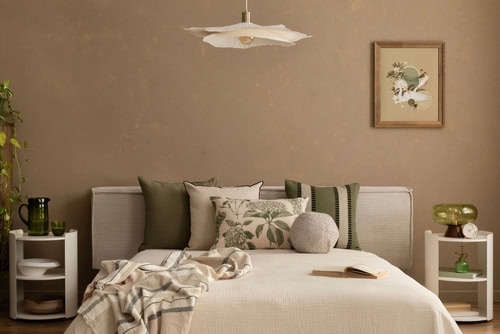
Although the five styles above have different characteristics, they share several important design principles.
Understanding these can help you make more confident decisions when decorating any room.
Quality Over Quantity
A small collection of beautifully made furniture and carefully selected accessories often creates a more sophisticated interior than a room filled with inexpensive decorative pieces.
This doesn’t mean every purchase needs to be expensive.
Instead, consider materials, construction, durability and whether an item genuinely suits your home.
Balanced Proportions
The scale of furniture and decorative features can dramatically influence how a room feels.
An oversized sofa can overwhelm a compact living room, while furniture that’s too small may look disconnected in a large space.
Consider how individual pieces relate to the room’s dimensions and to one another.
A Cohesive Colour Palette
Timeless interiors often use a relatively restrained colour scheme, allowing materials, textures and architectural details to create interest.
Repeating complementary colours throughout a room can help establish a sense of harmony.
Natural Materials
Wood, stone, linen, wool and other natural materials can introduce warmth and character.
Their subtle variations in texture and appearance often help interiors feel more individual.
However, practicality matters. Some natural materials require regular maintenance, and high-quality alternatives may be more appropriate for busy households.
Personal Character
Perhaps most importantly, a timeless home should reflect the people who live in it.
Family photographs, collected artwork, favourite books and treasured possessions help give an interior its identity.
A room that looks beautiful in a magazine but doesn’t feel comfortable or personal is unlikely to provide lasting satisfaction.
How to Avoid Interior Design Trends You’ll Regret
There’s nothing wrong with taking inspiration from current interiors trends.
In fact, introducing fashionable details can prevent a classic home from feeling overly formal or dated.
The trick is knowing where to experiment.
Large, expensive features such as fitted kitchens, bathroom tiles and permanent cabinetry are generally better suited to designs you expect to enjoy for many years.
Smaller decorative elements offer greater freedom.
If you’re drawn to a fashionable colour, consider introducing it through cushions, artwork or a painted piece of furniture before committing to an entire room.
Similarly, a statement lamp or unusual occasional chair can add contemporary personality without altering the underlying design.
Before making a significant purchase, ask yourself whether you genuinely love the item or simply enjoy seeing it in photographs.
It’s also worth considering how it will look alongside furniture and materials you already own.
A beautiful home doesn’t need to follow one particular aesthetic perfectly. Combining traditional and contemporary pieces can create a more interesting, layered interior.
Does Timeless Interior Design Add Value to Your Home?
Thoughtful interior design can make a property more attractive, comfortable and enjoyable to live in.
Well-maintained kitchens, practical storage and bathrooms with durable finishes may also appeal to potential buyers.
However, no particular decorating style guarantees an increase in property value.
Location, property condition, layout and local market conditions generally have a greater influence on sale prices than decorative choices alone.
The financial return from major renovations can also vary considerably.
Rather than renovating solely in the hope of increasing a property’s value, focus on improvements that enhance everyday living and suit the home’s character.
A beautifully designed kitchen that functions well, for example, can provide years of enjoyment regardless of how much it ultimately contributes to a sale price.
Creating a Home That Never Feels Outdated
The most beautiful homes aren’t necessarily those filled with the latest furniture, fashionable colours or expensive designer accessories.
They’re the spaces that feel comfortable, thoughtfully arranged and genuinely reflective of their owners.
Whether you favour the understated elegance of Shaker cabinetry, the warmth of neutral interiors, the refinement of a classic bathroom or the character of a traditional study, timeless design provides a wonderful foundation for creating a home you’ll continue to love.
By prioritising quality materials, practical layouts and enduring design principles, you can create interiors that evolve naturally with your tastes.
And perhaps that’s the real secret to timeless interior design: a home doesn’t need to remain unchanged to retain its beauty. It simply needs a foundation that allows it to grow with you.


