

Why British and American Comfort Foods Will Always Divide Opinion
Beans on toast or biscuits and gravy? Marmite or peanut butter and jelly? While Britain and America share a love of comfort food, what feels nostalgic in one country can seem completely baffling in the other.
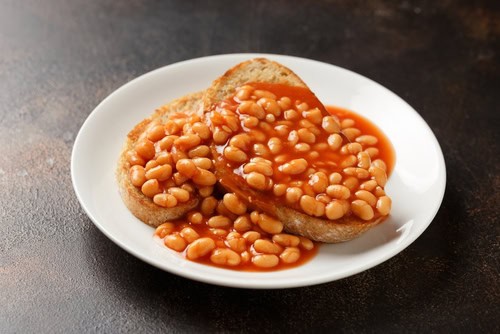
Food has always been more than fuel. It’s tied to childhood memories, family traditions and national identity, which perhaps explains why some of the world’s most comforting dishes can look utterly bizarre to visitors from overseas.
Social media has only amplified this culinary curiosity.
Platforms like TikTok and Instagram are filled with creators tasting foods from across the Atlantic for the very first time. British influencers attempt American favourites, while US content creators enthusiastically dive into Full English breakfasts, chip butties and jars of Marmite, often with hilarious reactions.
It’s become one of the internet’s favourite forms of cultural exchange—and it’s changing how people discover new cuisines.
Britain’s Most Confusing Comfort Foods
To most Britons, dishes like toad in the hole, bubble and squeak or beans on toast hardly need explaining.
They’re inexpensive, comforting classics that have been enjoyed for generations.
Yet for international visitors, the names alone can be enough to raise eyebrows.


Traditional favourites including black pudding, Welsh rarebit, mushy peas and chip butties frequently appear on lists of foods that overseas travellers find difficult to understand before they’ve even tasted them.
Even Britain’s famous love affair with Marmite continues to puzzle many first-time visitors.
American Classics Can Be Just as Surprising
Of course, culinary confusion works both ways.
Many British travellers encounter American comfort food for the first time with equal amounts of curiosity.
Dishes such as biscuits and gravy, peanut butter and jelly sandwiches, fried Oreos, sweet potato pie topped with marshmallows and deep-fried pickles often leave British visitors wondering how they became household favourites.
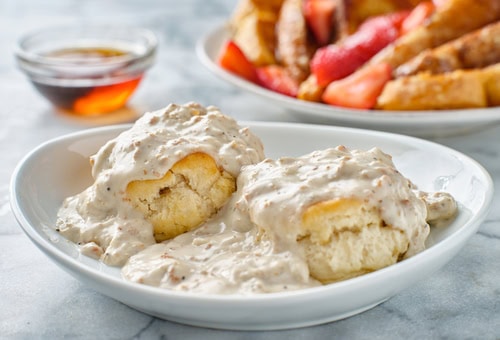
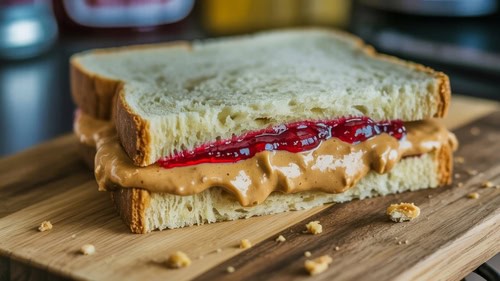
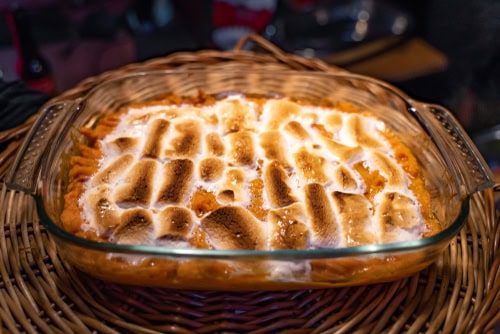
At first glance, some combinations seem unusual—but locals often regard them with exactly the same affection that Britons reserve for beans on toast or shepherd’s pie.
Why Familiar Food Always Wins
Much of our taste in comfort food develops during childhood.
What feels perfectly normal in one country often reflects generations of tradition, local ingredients and cultural history rather than logic.
Many iconic dishes were originally created as practical, affordable meals using whatever ingredients were readily available.
Over time, those humble recipes became deeply rooted in national identity.
That’s why reactions to unfamiliar food are often emotional as much as culinary.
Social Media Has Turned Food Into Entertainment
International food tasting videos continue to attract millions of viewers because they combine curiosity, humour and genuine surprise.
Watching someone experience Marmite for the first time—or seeing a Brit cautiously sample biscuits and gravy—offers a fascinating glimpse into how differently cultures approach everyday meals.
The popularity of these videos has also encouraged more people to seek out international supermarkets, recreate recipes at home and become more adventurous in the kitchen.
Food has become a form of cultural storytelling rather than simply something we eat.
More Adventurous Palates
Global travel and online content have made international cuisine more accessible than ever before.
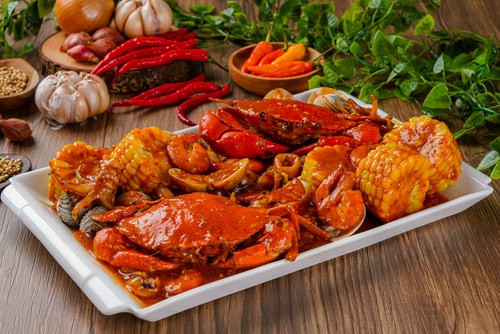
Today’s diners are increasingly willing to try dishes they may never have encountered a decade ago, whether that’s Southern American comfort food, traditional British pub classics or regional specialities from elsewhere in the world.
While some combinations may remain an acquired taste, many surprising dishes quickly become new favourites once people move beyond their first impressions.
It’s All Part of the Fun
Whether you think beans belong on toast or marshmallows belong on sweet potatoes, one thing is certain: every country’s comfort food tells a story.
What appears unusual to outsiders is often packed with nostalgia for those who grew up eating it.
Perhaps that’s why debates over British and American food remain so entertaining. There may never be universal agreement on the merits of black pudding or fried Oreos—but discovering those differences is part of what makes exploring another culture so enjoyable.

After all, the best travel experiences often begin with trying something you’ve never tasted before.
This article was inspired by consumer research exploring British and American food preferences. It has been independently rewritten and adapted for editorial publication by Opulence Magazine.
As one of the top luxury magazines in the UK, Opulence brings you the best in design, culture and travel.


