

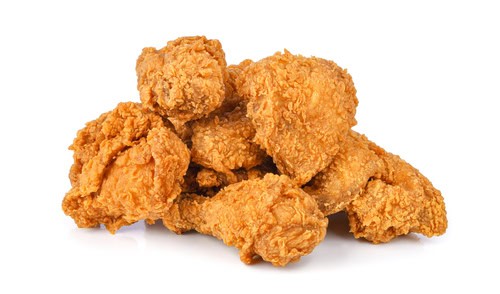
Perfect fried chicken isn’t about luck. The crispiest coating, juicy meat and rich flavour all come down to preparation, cooking technique and timing.
Many home cooks struggle with coating that falls off, greasy crusts or chicken that’s overcooked on the outside but still underdone in the middle. Fortunately, these are common mistakes that are easy to avoid once you understand what causes them.
Whether you’re cooking chicken thighs, drumsticks, wings or breast pieces, these expert techniques will help you achieve restaurant-quality fried chicken at home.
Start with Proper Preparation
Great fried chicken begins long before the oil is heated.
Allowing the chicken to absorb seasoning before cooking makes a significant difference to both flavour and texture.
One of the easiest methods is to use a simple brine made from water, salt and a small amount of sugar. Even one to two hours of brining helps the meat retain moisture during cooking while seasoning it throughout.

After removing the chicken from the brine, pat each piece completely dry. Excess moisture prevents the coating from sticking properly and can cause dangerous splattering when it meets hot oil.
For maximum crunch, coat the chicken in buttermilk or beaten egg before dredging it in seasoned flour.
A generous seasoning mix could include:
- Sea salt
- Black pepper
- Smoked paprika
- Garlic powder
- Onion powder
- Cayenne pepper
- Dried thyme
- Oregano
Once coated, allow the chicken to rest for 15 to 20 minutes before frying. This gives the flour time to hydrate and cling firmly to the meat, reducing the chance of the coating falling away during cooking.
Choose the Right Oil
Not all cooking oils perform equally well for frying.
Choose an oil with a high smoke point, such as:
- Groundnut oil
- Vegetable oil
- Sunflower oil
- Rapeseed oil
Avoid extra virgin olive oil, which has a lower smoke point and a stronger flavour that can overpower the chicken.
Use the Correct Oil Temperature
Temperature control is one of the biggest differences between average fried chicken and exceptional fried chicken.

Aim to keep the oil between 170°C and 180°C throughout cooking.
If the oil is too cool, the coating absorbs excess oil, resulting in greasy chicken.
If it’s too hot, the outside browns too quickly while the inside remains undercooked.
Using a cooking thermometer is the easiest way to maintain consistent results.
Don’t Overcrowd the Pan
Adding too much chicken at once causes the oil temperature to drop dramatically.
Instead, fry in small batches, leaving space around each piece so the hot oil can circulate evenly.
Although cooking in batches takes a little longer, it produces a much crispier finish.
How Long Should You Fry Chicken?
Cooking time depends on the size and cut of the chicken.
As a general guide:

- Wings: 8–10 minutes
- Drumsticks: 12–15 minutes
- Thighs: 14–16 minutes
- Breast pieces: 12–15 minutes
The safest way to check doneness is with a meat thermometer.
Chicken should reach an internal temperature of 75°C before serving.
If using a knife, pierce the thickest part of the meat. The juices should run completely clear with no trace of pink.
Let the Chicken Rest
As tempting as it is to eat fried chicken straight from the pan, resting is essential.
Transfer each piece onto a wire rack rather than kitchen paper where possible.
A wire rack allows air to circulate underneath, preventing steam from softening the crispy coating.
Rest the chicken for around five minutes before serving.
When Should You Add Sauce?
If you’re making buffalo chicken, Korean fried chicken or a sticky barbecue glaze, timing matters.
Adding sauce immediately after frying traps steam and softens the coating.
Instead:
- Allow the chicken to rest first.
- Toss or brush with sauce just before serving.
- Serve extra sauce alongside for dipping.
This keeps the exterior crisp while still delivering plenty of flavour.
Common Fried Chicken Mistakes
Even experienced cooks occasionally make these mistakes:
- Frying chicken straight from the fridge.
- Not seasoning the flour.
- Skipping the resting stage before frying.
- Using oil that’s too cool.
- Overcrowding the pan.
- Turning the chicken too frequently.
- Adding sauce too early.
- Draining on a flat plate instead of a wire rack.
Avoiding these simple errors can dramatically improve both texture and flavour.
What to Serve with Fried Chicken
Fried chicken pairs well with both comforting classics and lighter side dishes.
Popular choices include:
- Homemade coleslaw
- Buttermilk biscuits
- Corn on the cob
- Potato wedges
- Macaroni cheese
- Pickles
- Sweet potato fries
- Green salad
- Honey butter
- Hot honey
- Garlic aioli
The Bottom Line
Learning how to make fried chicken isn’t complicated, but attention to detail makes all the difference.
Brining the chicken, seasoning generously, maintaining the correct oil temperature and allowing the coating to rest before frying all contribute to a crisp, golden crust and tender, juicy meat.
Whether you’re preparing a family meal, recreating your favourite takeaway or experimenting with different sauces, mastering these fundamentals will help you produce consistently delicious fried chicken every time.
Opulence Magazine is proud to be a leading luxury magazine in the UK for modern tastemakers.


