

The Truth About the Pizza Diet and Whether It Actually Works
If social media is to be believed, pizza may have just undergone the most dramatic image makeover in modern food history.
For years, pizza has been cast as the villain of healthy eating plans – the indulgent takeaway reserved for cheat days, celebrations and late-night cravings. Yet a growing number of influencers and self-proclaimed nutrition enthusiasts are now claiming that pizza can play a role in a healthy lifestyle, sparking widespread debate online.
The so-called “pizza diet” has become one of the latest food trends to capture attention, promising the impossible-sounding combination of enjoying one of the world’s favourite comfort foods while still maintaining health and fitness goals.
But is there any substance behind the headlines, or is this simply another viral wellness fad destined to disappear as quickly as it arrived?
Why the Pizza Diet Is Capturing Attention
The appeal is obvious. Most diets begin with a long list of foods to avoid, making them difficult to sustain over the long term. A plan that appears to allow pizza, however, feels refreshingly realistic.
Food experts suggest that part of the trend’s popularity stems from a growing shift away from restrictive eating. Many people are becoming increasingly interested in sustainable lifestyle changes rather than extreme dieting methods that are difficult to maintain.
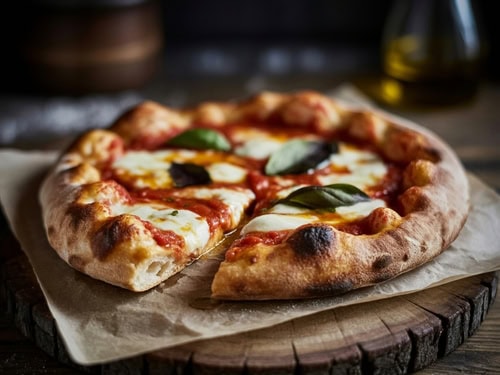
The idea that favourite foods can still fit into a balanced lifestyle is a message that resonates with many consumers who are tired of rigid rules and unrealistic expectations.
Not All Pizza Is Created Equal
Of course, there is a significant difference between a freshly made vegetable-topped pizza and a heavily processed takeaway loaded with excess cheese, salt and high-fat toppings.
Nutrition professionals point out that the ingredients matter far more than the name of the food itself.

A pizza topped with vegetables, lean proteins and a fibre-rich base can provide nutrients including vitamins, minerals and dietary fibre. On the other hand, regularly consuming large portions of highly processed pizzas may contribute to excessive calorie intake while offering relatively little nutritional value.
In other words, the question is not whether pizza is inherently healthy or unhealthy, but rather what type of pizza is being eaten and how often.
The Surprising Psychology Behind It
Interestingly, the biggest benefit of including pizza in a healthy lifestyle may have little to do with nutrition and everything to do with mindset.
Many health experts argue that strict food restrictions can backfire. When favourite foods are completely banned, cravings often intensify, making overeating more likely later on.
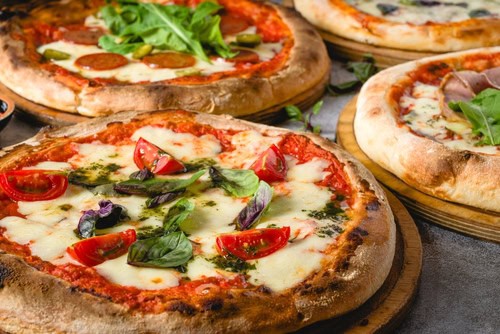
Allowing occasional treats can help some people maintain a healthier relationship with food, reducing feelings of deprivation and making long-term healthy habits easier to sustain.
Viewed through this lens, pizza isn’t necessarily a dietary shortcut – it’s simply a food that can be enjoyed without guilt when incorporated sensibly into a balanced eating pattern.
What a Balanced Approach Looks Like
For those who want to enjoy pizza without derailing their health goals, experts recommend focusing on moderation rather than elimination.
Choosing pizzas topped with vegetables, opting for lean protein sources, paying attention to portion sizes and balancing other meals throughout the day can all help create a more nutritious overall diet.
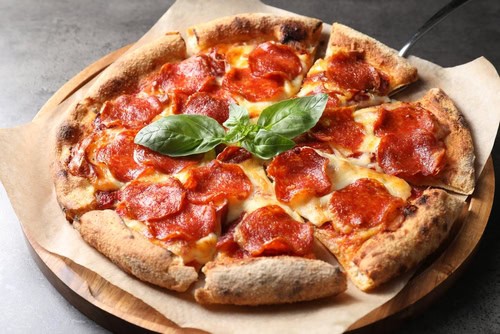
Hydration is also important, particularly because many pizzas can be relatively high in sodium.
Most importantly, health professionals encourage people to pay attention to how foods make them feel. While some may enjoy pizza as part of a balanced lifestyle, others may find it leaves them feeling sluggish or unsatisfied.
The Bottom Line
As tempting as the idea sounds, pizza is unlikely to be the miracle weight-loss food social media sometimes suggests.
However, neither does it deserve its long-standing reputation as a nutritional villain.
The reality lies somewhere in the middle. A well-made pizza enjoyed in sensible portions can absolutely fit within a healthy lifestyle. The key is recognising that no single food determines overall health.
When it comes to long-term wellbeing, balance, variety and consistency still matter far more than any viral food trend.
Credit: This article was inspired by expert commentary originally provided by Cheese Hamper.
Opulence Magazine is proud to be a leading luxury magazine in the UK for modern tastemakers.


