
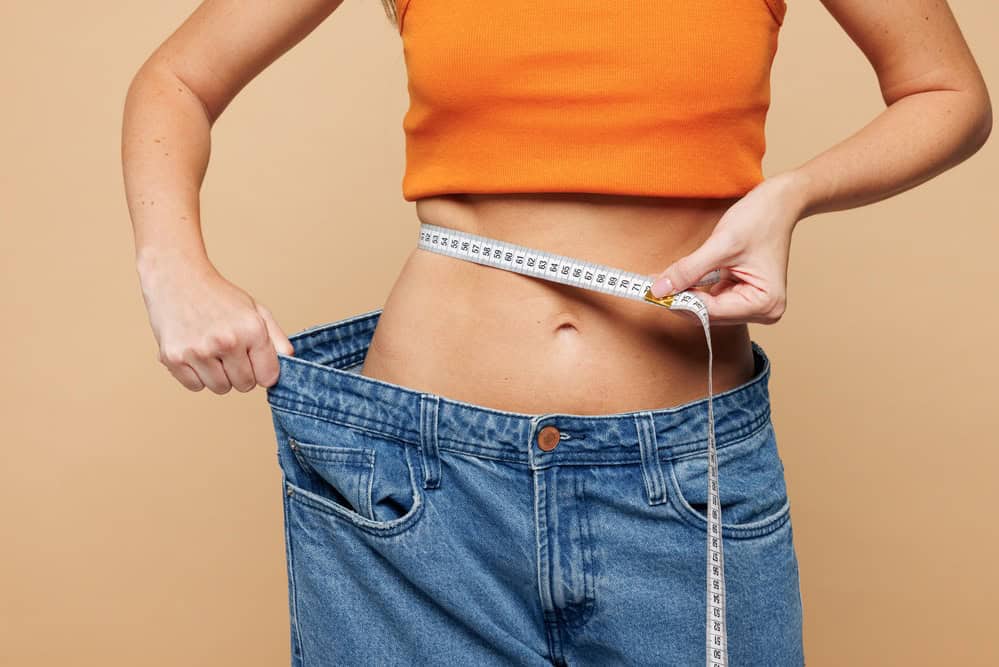
Could Daily Wegovy Tablets Replace Weight Loss Injections?
Weight loss injections have already transformed the way millions of people approach obesity treatment in the UK.
From celebrity conversations and social media debates to NHS pilot schemes and private prescriptions, medications like Wegovy and Mounjaro have rapidly become part of the mainstream wellness conversation as Britain continues grappling with rising obesity rates.
But a major new development could make these medications even more accessible — and potentially far more popular.
The next phase of the weight loss boom may not involve injections at all. Instead, it could arrive in the form of a simple daily tablet.
What Is the Wegovy Tablet?
The new Wegovy tablet contains semaglutide, the same active ingredient used in the injectable version already prescribed for weight loss.

The medication works by mimicking the body’s naturally occurring GLP-1 hormone, helping people feel fuller faster while reducing cravings and snacking urges throughout the day.
While injectable GLP-1 medications initially dominated the market, experts believe tablet versions could appeal to a much wider audience — particularly people uncomfortable with self-injections.
The tablets have already been approved and prescribed in the United States, with UK availability expected to follow in the coming months.
Why the Tablet Could Become Massively Popular
For many people, the biggest barrier to using weight loss medication has never been the medication itself — it has been the injections.
According to pharmacy experts, a significant number of eligible patients avoided treatment specifically because they did not want to inject themselves regularly.
A once-daily tablet changes that entirely.
Unlike injectable Wegovy, which must currently be refrigerated before use, the tablet version offers far more flexibility, particularly for travel and day-to-day convenience.
For frequent travellers or people with busy routines, the simplicity of taking a pill instead of storing injection pens could make the treatment feel significantly more manageable.
How the Tablet Is Taken
The tablet version does come with stricter timing rules than the injection.

Patients would need to take it:
- first thing in the morning
- on an empty stomach
- with no more than 120ml of water
- at least 30 minutes before food, drink or other medications
This is necessary to help the body absorb the medication correctly.
While some people may find the routine more restrictive than injections, others are likely to prefer the familiarity of taking a tablet rather than using needles.
Who Could Be Eligible?
Although official UK prescribing criteria for the tablet have not yet been confirmed, experts expect eligibility to mirror the injectable version of Wegovy.
This would likely include:
- adults with a BMI over 30
- or adults with a BMI over 27 alongside weight-related health conditions such as type 2 diabetes
However, these medications are not suitable for everyone.
People with certain medical conditions — including a history of thyroid cancer, pancreatitis or some gallbladder issues — may be advised against taking semaglutide-based treatments. Pregnant or breastfeeding individuals are also advised not to use them.
The Side Effects Remain Similar
Because the tablet and injection use the same active ingredient, the side effects are expected to be very similar.
Common side effects may include:
- nausea
- diarrhoea
- constipation
- stomach discomfort
These symptoms are generally most noticeable when starting treatment.
One advantage of the tablet version, however, is avoiding injection-site side effects such as bruising or skin irritation.
Are Weight Loss Tablets as Effective as Injections?
Clinical trials suggest the tablets are highly effective, although injectable versions currently appear slightly stronger overall.
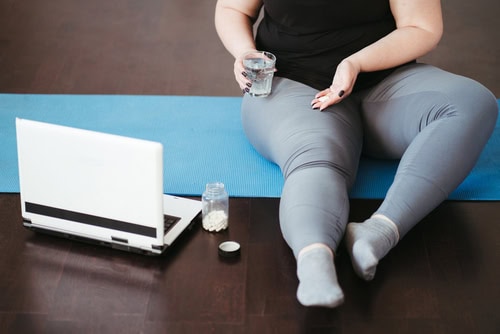
Studies found patients using the tablet lost an average of around 14% of body weight over 64 weeks at higher doses. Injectable semaglutide treatments produced average losses of around 21% over 72 weeks in some studies.
However, experts stress that individual results vary considerably depending on lifestyle, diet, exercise and medical history.
A Bigger Shift in Wellness Culture
The arrival of tablet-based weight loss medication also reflects a wider cultural shift.
Weight loss drugs are no longer being viewed purely as niche medical interventions. Instead, they are increasingly positioned alongside broader conversations around wellness, preventative healthcare and long-term weight management.
As demand continues growing, experts believe convenience will become one of the most important deciding factors for patients choosing between treatments.
And for many people, swapping a weekly injection for a daily tablet may feel like a far easier step into the world of medical weight loss support.
Credit: Expert commentary supplied by Chemist4U.
Discover more from Opulence, a leading luxury magazine in the UK for aspirational living.


