

The Art of Spring Foraging: Britain’s Most Elegant Seasonal Food Trend
There’s a moment in early spring when British woodlands quietly transform.
The air shifts. The ground softens. And suddenly, what looked like an ordinary forest floor just weeks before becomes something far more interesting—a natural pantry filled with fresh, vibrant ingredients waiting to be discovered.
From the unmistakable scent of wild garlic to the delicate arrival of edible flowers, spring is when the countryside begins to offer up some of its most exciting flavours.
And more people than ever are paying attention.
Why Foraging Is Making a Comeback
Foraging isn’t new—but it is having a moment.
As more people rethink where their food comes from, there’s been a noticeable return to seasonal, local ingredients. Not the kind you find neatly packaged on supermarket shelves, but the kind that grows quietly in woodland clearings and along shaded paths.

“Spring is when the woodland really wakes up,” explains Stuart Brooking. “These ingredients have been part of British cooking for generations, and when used carefully they can create extraordinary dishes.”
There’s something undeniably different about cooking with ingredients you’ve gathered yourself. It slows you down. It makes you notice things—the smell of leaves, the texture of the soil, the way certain plants cluster in specific spots.
And, perhaps most importantly, it reconnects you with the landscape.
What You’ll Find in Spring Woodlands
Early spring is one of the best times to start.
Wild garlic is often the gateway ingredient—easy to recognise thanks to its strong scent and found in abundance in damp, shaded areas. Nearby, you might spot young nettles, packed with flavour once cooked, or delicate greens like chickweed and dandelion leaves.
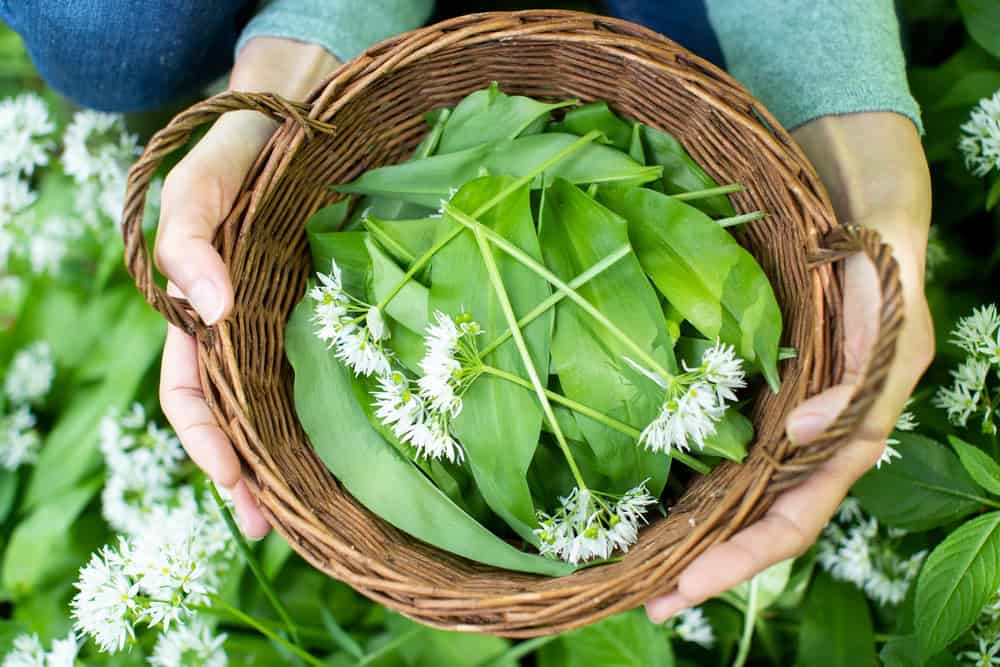
Then there are the more surprising finds—edible flowers like primrose and elderflower, which bring a subtle sweetness and visual elegance to dishes.
Together, they form the basis of a menu that feels both rustic and refined.
A Woodland Menu Worth Trying
To celebrate the season, a woodland-inspired menu brings these ingredients to life in a way that feels both traditional and modern.
It starts simply, with warm focaccia infused with wild garlic and sea salt, served alongside a rich, whipped butter that carries subtle herbal notes.
From there, a comforting bowl of nettle and potato soup offers something familiar—but elevated, especially when finished with toasted hazelnuts for texture.
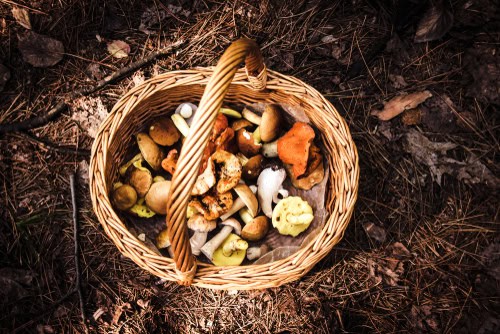
The main course leans into depth and richness: a woodland mushroom risotto, layered with earthy flavours and finished with shaved aged British cheese.
Sides stay light and seasonal—charred asparagus paired with a sharp sorrel sauce, alongside a fresh salad of chickweed, watercress and young leaves dressed in a tart crab apple vinaigrette.
And then comes dessert: a soft, fragrant panna cotta infused with elderflower, topped with primrose, woodland honey and delicate candied violet petals.
It’s a menu that feels entirely in tune with its surroundings.
Foraging Isn’t Just About Food
What makes this trend more than just another food moment is the experience behind it.

“Cooking with ingredients you’ve gathered yourself changes how you think about food,” says Brooking. “It encourages you to slow down, notice the landscape around you, and appreciate just how much flavour the British countryside offers.”
It’s less about perfection, and more about presence.
How to Forage Safely and Responsibly
Of course, foraging comes with responsibility.
If you’re just starting out, the most important rule is simple: only pick what you can confidently identify. Some plants have dangerous lookalikes, and guessing is never worth the risk.

Beginners are often encouraged to start with easy-to-recognise ingredients like wild garlic, which is both abundant and distinctive.
It’s also important to take only what you need. Foraging should never damage the environment—small amounts, carefully picked, ensure that plants continue to grow and wildlife isn’t disrupted.
And then there’s the legal side. In the UK, uprooting plants without permission is illegal, and certain species are protected. Foraging is best approached as a mindful activity, not a free-for-all.
Finally, where you forage matters. Avoid areas near busy roads or industrial sites, where pollution could affect what you collect.
A Different Way to Experience Spring
There’s something quietly powerful about walking through a woodland and realising that what surrounds you isn’t just scenery—it’s sustenance.
Spring foraging isn’t about replacing your weekly shop. It’s about adding something extra to it. A connection. A story. A sense of place.
And in a world that often moves too fast, that might be exactly what people are looking for.
Credit: Insights and guidance from Woodlands.co.uk
Explore more with Opulence, your luxury magazine in the UK for design, travel and sophisticated living.


