

Why Ube Could Be the Most Exciting Food Trend of 2026
Every year a new ingredient captures the culinary spotlight. A few years ago it was matcha, with its earthy green hue colouring everything from lattes to desserts. Now, a new contender is quietly making its way onto café menus and into stylish kitchens around the world.
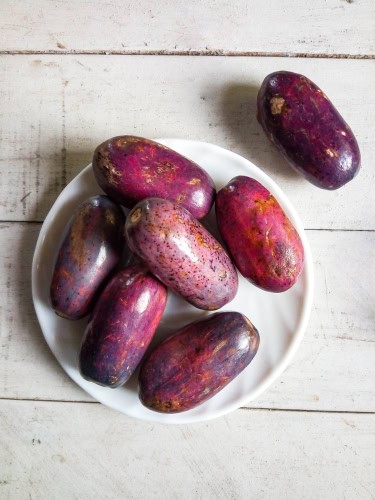
Meet ube, the striking purple yam that food experts believe could become one of the defining flavour trends of 2026.
Already appearing in coffee shops, desserts and bakery counters, this vivid ingredient is quickly gaining attention for both its eye-catching colour and its delicate flavour. In fact, with more than 156,000 Google searches for “ube” in the past month alone, curiosity about the ingredient is clearly growing. Search terms such as “what is ube?” and “ube latte” are also climbing rapidly, suggesting the once niche ingredient may be on the brink of a global moment.
The Purple Yam Taking Over the Culinary World
Pronounced oo-beh, ube is a variety of yam native to Southeast Asia, particularly the Philippines, where it has long been a beloved staple in desserts and sweet treats.
What makes ube stand out instantly is its colour. When cooked or blended, the yam transforms into a rich violet shade that feels almost otherworldly. In an age where visual appeal plays a powerful role in food culture — particularly across social media — that bold colour alone gives ube undeniable trend potential.

Yet the ingredient’s popularity is not driven by aesthetics alone.
Ube offers a softly sweet flavour with hints of vanilla, white chocolate and gentle nuttiness, making it versatile enough to appear in everything from pastries and ice creams to coffees and breakfast dishes.
“It’s easy to see why ube might become the next big thing,” says Mimi Morley, Senior Recipe Development Manager at HelloFresh. “Visually it’s incredibly striking — it almost looks alien-like — but flavour-wise it’s familiar and comforting. That balance makes it a really exciting ingredient to experiment with.”
A Colourful Ingredient With Nutritional Benefits
Beyond its distinctive appearance and flavour, ube also brings a number of nutritional advantages.
The yam’s deep purple pigmentation comes from anthocyanins, the same powerful antioxidants found in blueberries and other dark-coloured fruits. These compounds have been linked to reduced inflammation and improved cellular health.

Ube is also a natural source of vitamin C, potassium and complex carbohydrates, providing sustained energy alongside its subtle sweetness.
While it may be gaining attention as a culinary trend, its nutritional profile means ube fits neatly into the broader movement toward ingredients that are both visually exciting and nutritionally beneficial.
Why Cafés Are Embracing Ube
Perhaps the clearest sign that ube is entering the mainstream is its arrival in the coffee world.
Major chains, including Starbucks in some regions, have already begun experimenting with ube-flavoured drinks, blending the ingredient into lattes and matcha beverages to create visually dramatic purple tones.


In an era where café culture is increasingly shaped by aesthetics — from latte art to colourful drinks designed for Instagram — ube provides the perfect combination of flavour, novelty and visual drama.
The result is a drink that feels indulgent yet distinctive: creamy, lightly sweet and instantly recognisable.
Bringing Ube Into the Home Kitchen
Despite its growing popularity in cafés and bakeries, ube is surprisingly easy to incorporate into everyday cooking.
According to Morley, one of the simplest ways to introduce the ingredient into your routine is at breakfast.
“Adding ube powder to pancake batter or overnight oats is an easy starting point,” she says. “It creates a natural sweetness and a beautiful lilac colour that makes breakfast feel a little more special.”
Coffee enthusiasts can also experiment with ube lattes at home by mixing ube powder with warm oat or coconut milk before adding it to espresso.
But ube’s versatility extends beyond sweet dishes.
Morley suggests incorporating it into savoury cooking as well. For example, blending mashed ube with traditional potatoes creates a striking purple mash that pairs beautifully with roasted vegetables and meats.
Another simple indulgence involves mixing ube jam into softened salted butter, producing a rich spread that transforms warm sourdough, crumpets or toast into something resembling a bakery-style treat.
A Trend With Staying Power
Food trends often come and go quickly, but ube has several qualities that suggest it may have staying power.
Its vibrant colour appeals to modern visual food culture, its flavour is approachable, and its nutritional benefits align with the growing demand for ingredients that combine indulgence with wellbeing.
In other words, ube offers something rare in the world of food trends: style, substance and versatility.
If the current surge in interest is anything to go by, this vibrant purple yam may soon be appearing everywhere — from artisan bakeries to brunch tables — proving that the most exciting ingredients are sometimes the ones that bring a little colour to the plate.
Discover more from Opulence, a leading luxury magazine in the UK for aspirational living.


