

Why Camping and RV Travel Are the Smart Holiday Trend for 2026
Luxury travel has always reflected the changing priorities of travellers. In recent years, those priorities have shifted from excess and extravagance toward something far more intentional: flexibility, value and meaningful experiences.
As the cost of travel continues to climb, a growing number of holidaymakers are reconsidering how and where they spend their time away. Interestingly, the response hasn’t been to cancel trips altogether. Instead, travellers are reshaping their plans — and increasingly turning to camping and RV travel as the smart alternative.
According to the 2025 KOA Family Campers Survey, a striking 72% of campers say affordability is the primary reason they choose camping holidays, highlighting a broader shift in how people approach travel in the current economic climate. Rather than abandoning summer breaks, families, couples and solo travellers are simply changing the format of their escape.
In many ways, the appeal of camping reflects a return to simpler travel — but with a modern twist.
A Different Kind of Freedom
Traditional hotel-based holidays can feel rigid. Flights, fixed check-in times and expensive dining options often dictate the rhythm of a trip. By contrast, camping and RV travel place control firmly back in the hands of the traveller.
Shorter drives, flexible routes and the ability to adjust plans along the way allow travellers to design holidays that suit both their budget and their schedule.
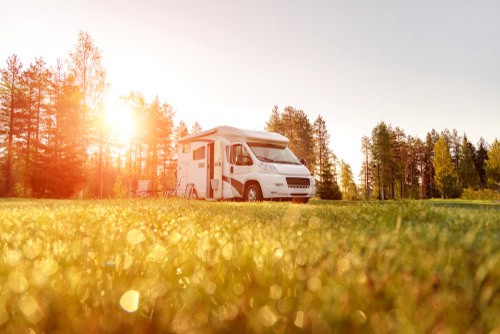
“People aren’t cancelling their vacations — they’re getting creative,” says Michael McNaught, CEO of RV rental platform RVezy. “Shorter drives, simple itineraries and self-contained camping options give families the freedom to enjoy holidays without the stress of escalating costs.”
That sense of independence is proving particularly appealing in 2026, as travellers seek experiences that feel both practical and rewarding.
The Rise of Self-Contained Travel
One of the most compelling advantages of RV travel lies in its self-sufficiency.
Unlike traditional holidays that rely heavily on hotels, restaurants and transport networks, an RV or well-equipped campsite offers everything travellers need in one place. Kitchens allow families to cook their own meals, sleeping arrangements remain consistent throughout the trip and many campgrounds provide essential amenities such as showers, laundry facilities and pet-friendly spaces.

For families travelling with children — or multi-generational groups including grandparents — this flexibility can make all the difference.
Pets, too, are easier to accommodate. Instead of navigating complicated hotel policies, campers simply bring their four-legged companions along for the adventure.
Closer to Home, Closer to Nature
Another notable trend emerging from the survey is the growing popularity of shorter journeys.
Nearly 65% of campers say they are adjusting their travel plans to save money, often choosing destinations closer to home or opting for shorter stays.
But what might initially seem like a compromise is increasingly being viewed as a benefit.
Local national parks, coastal campsites and countryside retreats offer something that many luxury hotels struggle to replicate: direct access to nature. Hiking, swimming, cycling and wildlife watching provide meaningful experiences without additional costs.
For many travellers, the result is a holiday that feels less commercial and more restorative.
A New Definition of Luxury
Interestingly, this shift doesn’t necessarily signal the end of luxury travel — rather, it represents a redefinition of it.
Today’s travellers are increasingly drawn to experiences that feel authentic, flexible and personal. In this context, waking up beside a lake, preparing breakfast outdoors and spending evenings around a campfire can feel just as indulgent as a five-star resort.
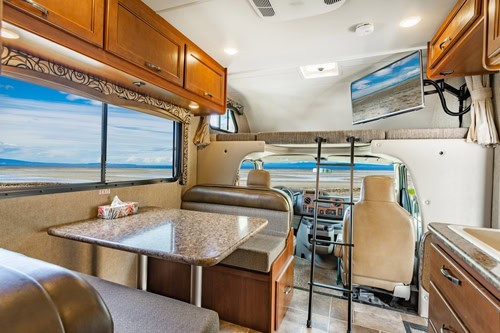
Camping also offers a rare opportunity to slow down. Without rigid itineraries or crowded tourist attractions, days unfold naturally — something many travellers now value more than packed schedules.
As McNaught observes, “2026 is shaping up as the year travellers rethink what a holiday really means.”
The Smart Holiday of 2026
Ultimately, the rise of camping reflects a broader cultural shift in travel. People are not abandoning the idea of holidays; they are simply seeking smarter, more adaptable ways to enjoy them.
Camping and RV travel provide a compelling combination of affordability, flexibility and adventure — a balance that resonates strongly in today’s economic climate.
And while the format may feel refreshingly simple, the memories created are anything but.
From spontaneous road trips to quiet evenings under the stars, the modern camping holiday proves that meaningful travel doesn’t require extravagance — just a little freedom, a change of scenery and the willingness to explore.
Discover more from Opulence, a leading luxury magazine in the UK for aspirational living.


