
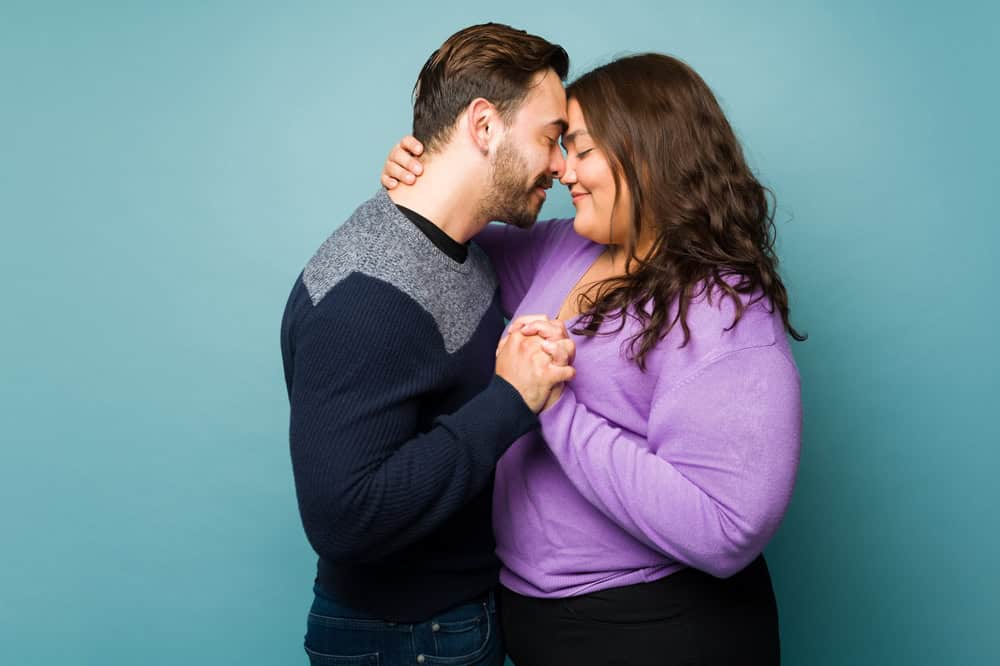
More Than Half of Brits Feel “Too Overweight for Sex” as Social Media Fuels a UK Confidence Crisis
New research from Numan reveals that social media isn’t just influencing our online lives; it’s changing how Brits feel about themselves during sex.
A new Censuswide survey of 2,000 UK adults found that 60% feel insecure during sex, which, if reflected nationally, equates to roughly 32 million adults. For many, that insecurity is tied to social media comparisons, celebrity images, and online body standards, with 1 in 4 feeling this way every time they’re intimate, potentially affecting as many as 13 million adults in the UK.
The survey responses echo international studies linking heavy social media use to sexual difficulties, including lower desire, arousal issues, and reduced satisfaction, underlining a growing global public health concern.1
Key findings:
- 1 in 3 Brits (32%) say their weight is actively damaging their sex life
- 60% (32 million Brits) say social media has made them insecure during sex, with 1 in 4 (24%) feeling that insecurity every single time they’re intimate
- Young Brits are facing it the most, with 80% of 18–34s saying social media directly impacts how they feel about their bodies during sex
- Nearly a quarter (24%) of Brits admit they have little or no sexual body confidence
60% of Brits and 80% of young adults feel social media harms their sexual confidence.
When asked how often social media or celebrity images made them feel insecure about their body during sexual activity, 60% of UK adults answered very often, which equates to roughly 32 million Brits. This shows just how deeply online standards are affecting sexual confidence across the country.
The impact is most pronounced among young adults, with 8 in 10 young adults (79% of 18–24s and 82% of 25–34s) reporting feeling insecure about their bodies during sex because of social media or celebrity images. Both men and women report these insecurities, though women are only slightly more likely than men to feel this way (62% vs 57%). This small difference also challenges the traditional assumption that men are less concerned about their bodies during sexual experiences.
Even older adults are impacted, with 38% of those aged 55+ reporting insecurity linked to online body ideals. While this is lower than the younger generation, it signals that the influence of social media on sexual confidence affects everyone, not just the digital native population.
1 in 4 Brits feel insecure every time they’re intimate
For many, these insecurities are not occasional; they are constant. 24% of adults, roughly 12 million Brits, experience body insecurity every single time they have sex. Among the youngest adults, the figure rises dramatically: 42% of 18–24-year-olds report that social media makes them feel insecure during every intimate encounter. Persistent insecurity can erode sexual confidence, may reduce pleasure, and even strain relationships, highlighting the serious real-world impact of online pressures.

Breaking down responses further:
- Always: 10% of adults (5 million Brits)
- Often: 14% (7 million Brits)
- Sometimes: 24% (12 million Brits)
- Rarely: 13% (6 million Brits)
Nearly a quarter of Brits lack sexual body confidence, and 1 in 3 say their weight damages their sex life
The survey finds that almost 1 in 4 adults (24%) admit to having little or no sexual body confidence, highlighting that insecurity in the bedroom extends beyond online pressures. Meanwhile, 32% of adults (17 million Brits) say their weight actively harms their sex life, undermining confidence and satisfaction during intimacy.
When looking at gender, the disparity is clear, as 31% of women report low sexual confidence compared to just 16% of men. Women are also more likely to report that social media and celebrity images make them feel insecure during sex (62% vs 58% of men), with a higher proportion experiencing this every time they’re intimate.
The State of Obesity Report 2025

These findings mirror the wider confidence crisis uncovered in Numan’s State of Obesity Report 2025, which shows that weight stigma continues to erode self-worth long before people reach the bedroom. According to the report, four in ten people fear being judged when seeking help for their weight, and more than half of those living with obesity say they wish they could “drastically change” their body – a psychological burden that tracks closely with the 32% in this survey who say their weight directly damages their sex life.
The report also found that many people feel “anxious, self-critical or undeserving of a fulfilling social life” because of their body size, reinforcing how social media pressure and weight-related shame can combine to suppress confidence, intimacy and overall wellbeing.
Zoe Griffiths, VP Behavioural Medicine expert at Numan, comments:
“This research paints a stark picture of how social media and celebrity culture are shaping sexual confidence in the UK. When 60% of adults say that online body ideals make them feel insecure during sex, and nearly a quarter report feeling this every time they’re intimate, it’s clear that these pressures are affecting real-life intimacy, not just self-esteem.
Younger adults are particularly vulnerable, with 80% of 18–34-year-olds reporting feeling insecure, with more than 40% of 18–24-year-olds feeling this consistently. Social media sets impossible standards, showing highly curated, often unrealistic images of bodies that few can realistically match. This can damage sexual confidence, reduce libido, and even affect relationships. Far from being a vanity issue, this is a growing public health concern that highlights the urgent need to address the impact of digital culture on sexual wellbeing.
Discover more from Opulence, a leading luxury magazine in the UK for aspirational living.


